RAPID PROTOTYPING SERVICES

Custom Rapid Prototyping Services for Product Development

Turn your CAD designs into functional, appearance, and production-ready prototypes with SENSES MOLD. Our in-house manufacturing team supports rapid prototyping through CNC machining, 3D printing, vacuum casting, sheet metal fabrication, and prototype injection molding.

✓ Extensive Manufacturing Options
✓ 3–7 Days Prototype Turnaround
✓ Precision Tolerances Down to ±0.02 mm
Your design files are handled confidentially. An NDA can be signed before quotation upon request.
RAPID PROTOTYPING MANUFACTURING

Rapid Prototyping Manufacturing Capabilities

SENSES MOLD provides integrated rapid prototype manufacturing services for product development, design validation, functional testing, and low-volume production. Choose the right manufacturing and prototyping process based on part geometry, material, quantity, surface finish, and functional requirements.

CNC rapid prototyping and complex precision prototype parts
01

CNC Machining

Precision CNC rapid prototyping for metal and plastic prototype parts, complex geometries, tight tolerances, and functional testing.

Best For

Functional prototypes, precision parts, complex geometries, and metal prototypes.

Explore CNC Machining →
3D printing for rapid prototypes and product development
02

3D Printing

Fast 3D printing for prototyping to validate product form, fit, assembly, and design concepts before moving to production.

Best For

Early-stage prototypes, design validation, complex shapes, and fast physical models.
Explore 3D Printing →
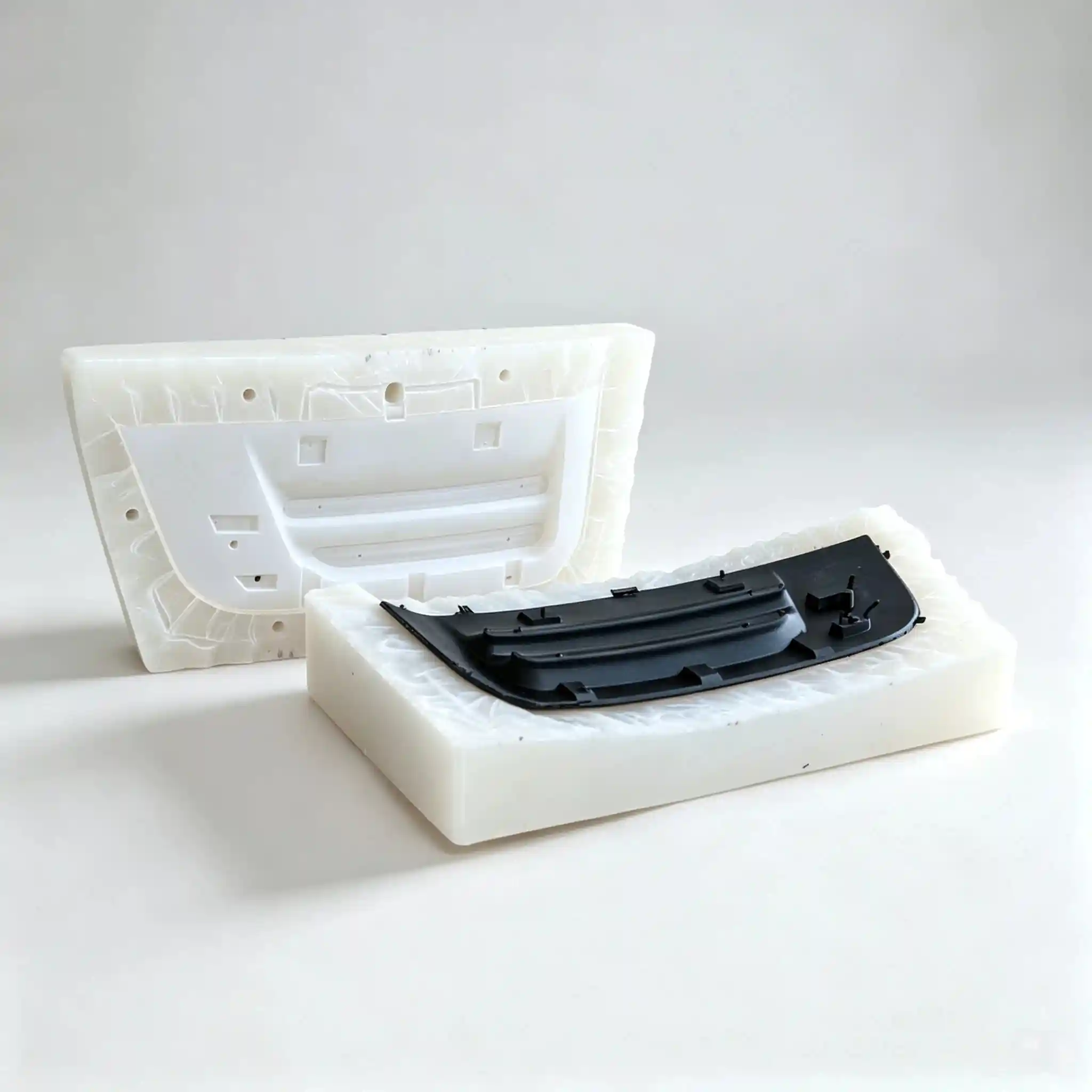
Vacuum casting services for custom prototype parts and low-volume production
03

Vacuum Casting

Vacuum casting prototyping for production-like polyurethane parts with excellent appearance, material options, and repeatability.

Best For

Appearance prototypes, functional plastic parts, small batches, and product testing.

Explore Vacuum Casting →
Sheet metal fabrication for rapid prototypes and functional metal parts
04

Sheet Metal Fabrication

Rapid sheet metal prototyping for enclosures, brackets, structural components, and functional metal assemblies.

Best For

Metal enclosures, brackets, structural parts, and functional assemblies.

Explore Sheet Metal →
Prototype injection molding for functional plastic prototypes
05

Prototype Injection Molding

Rapid prototype injection molding for molded plastic parts when production-like materials, geometry, and performance need to be evaluated.

Best For

Functional plastic prototypes, material validation, fit testing, and pre-production evaluation.

Explore Prototype Molding →
IN-HOUSE MANUFACTURING

Real Manufacturing Facility

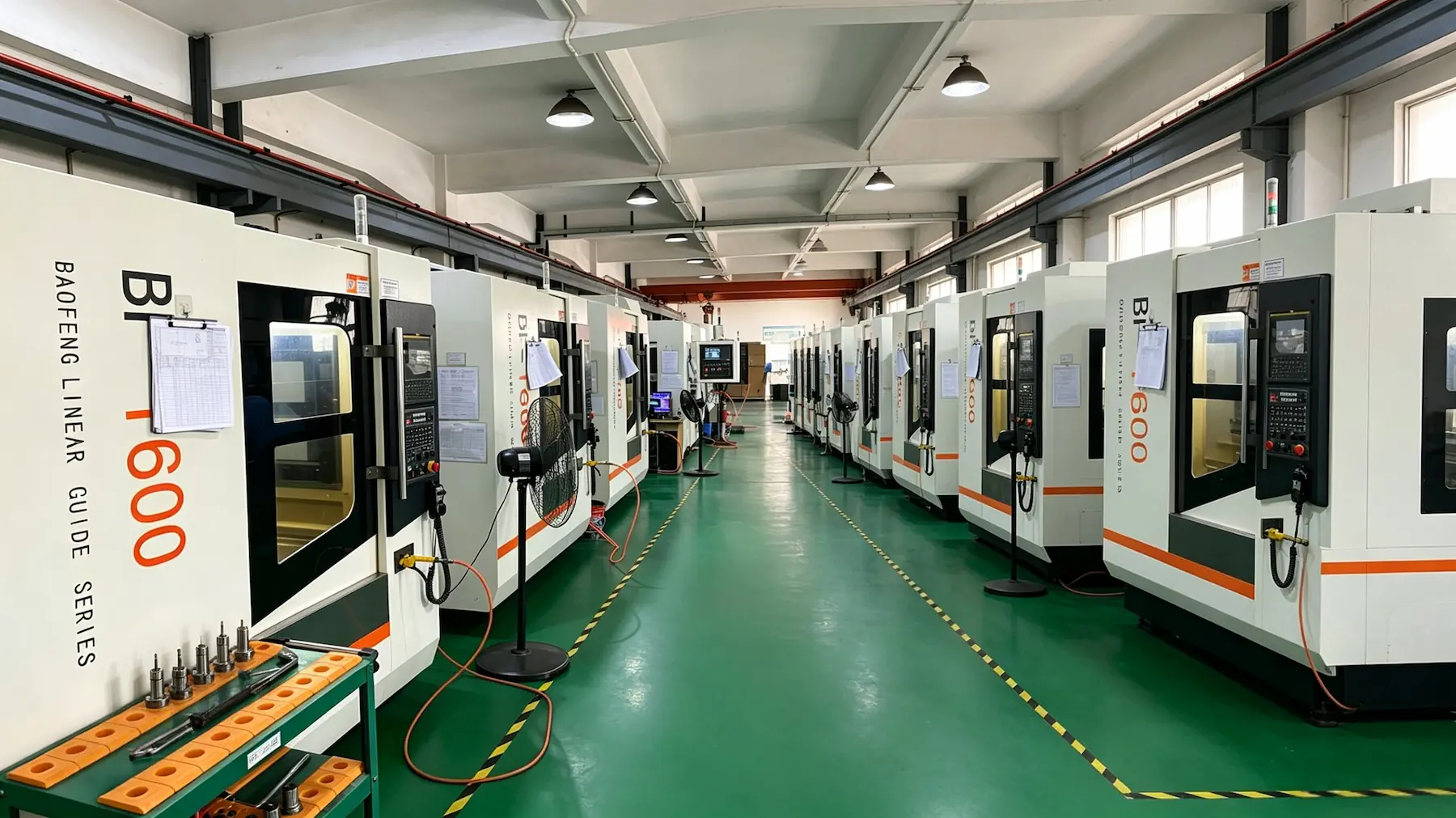
CNC machining workshop for rapid prototype manufacturing
01

CNC Manufacturing

In-house CNC equipment supports precision prototype parts and complex geometries.

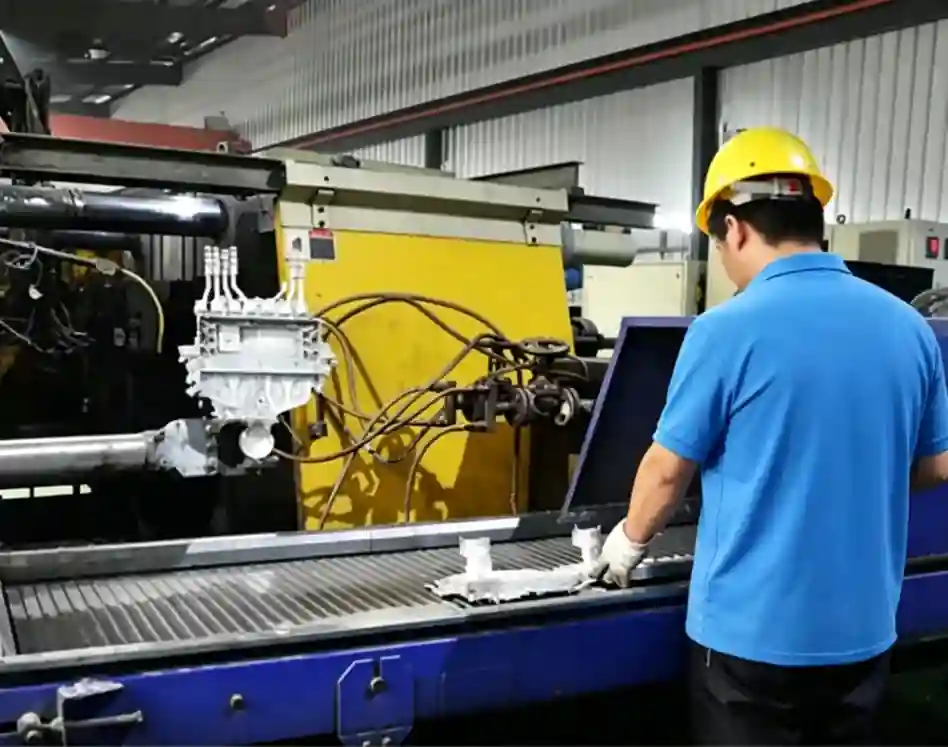
3D printing factory equipment for rapid prototype production
02

3D Printing Equipment

Dedicated additive manufacturing equipment supports rapid prototype development and design validation.
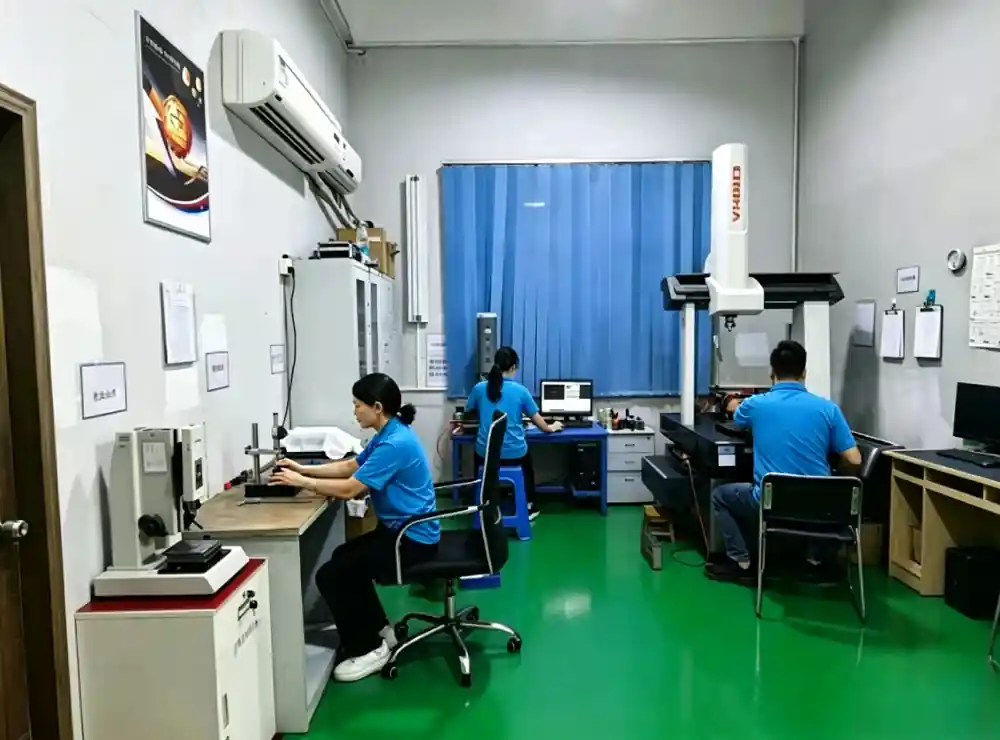
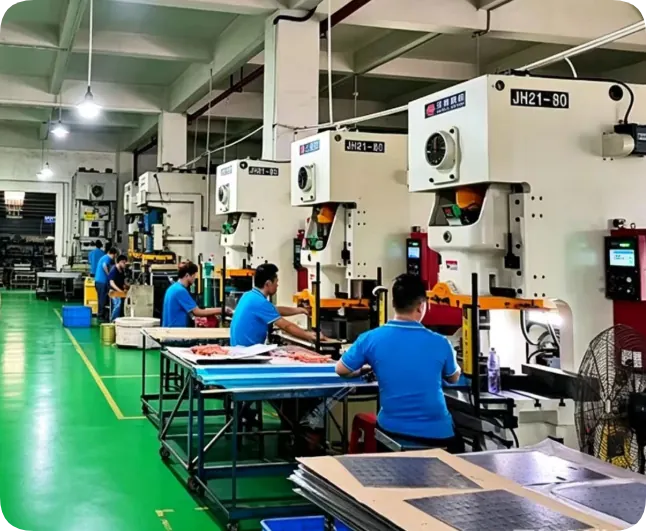
Quality inspection equipment for rapid prototype parts
03

Quality Inspection

In-house inspection supports dimensional verification of prototype parts against project requirements.

Not sure which prototyping process is right for your part?

Send us your CAD file and requirements. Our engineering team can recommend a suitable manufacturing process based on geometry, material, quantity, tolerance, surface finish, and application.

Talk To An Engineer →
PROTOTYPE SOLUTIONS

Rapid Prototyping Solutions for Product Development

From early proof-of-concept models to functional testing and pre-production evaluation, SENSES MOLD provides custom prototype manufacturing solutions matched to your product development stage.

Proof-of-concept prototypes for early product development
EARLY PRODUCT DEVELOPMENT

Proof-of-Concept Prototypes

Build an early physical prototype to evaluate product feasibility before committing to detailed development or production. Our prototype manufacturing support helps turn initial concepts into physical models for early engineering review.

BEST FOR
  • Early product concepts
  • Product feasibility
  • Concept validation
  • Initial physical models
PROJECT GOAL

Confirm that the initial product concept is practical enough to move into further development.

Functional prototype manufacturing for engineering evaluation
ENGINEERING EVALUATION

Functional Prototype Manufacturing

Produce prototypes that allow engineers to evaluate performance, assembly, operation, and functional requirements under realistic conditions.

BEST FOR
  • Functional testing
  • Fit and function testing
  • Mechanical testing
  • Engineering validation
PROJECT GOAL

Verify whether the physical prototype performs as required before moving toward production.

Appearance prototype manufacturing for product design evaluation
DESIGN & PRESENTATION

Appearance Prototype Manufacturing

Evaluate product form, visual appearance, surface finish, and overall presentation before production. This helps product teams review the physical design and make final appearance decisions.

BEST FOR
  • Appearance evaluation
  • Visual validation
  • Surface finish review
  • Product presentation
PROJECT GOAL

Confirm the physical appearance and presentation of the product before production investment.

Prototype parts for testing and design validation
DESIGN VERIFICATION

Prototype Parts for Testing & Validation

Manufacture prototype parts for engineering verification, assembly checks, product testing, and design validation before production release.

BEST FOR
  • Design verification
  • Prototype testing
  • Assembly testing
  • Product development testing
PROJECT GOAL

Identify design or performance issues before production tooling and manufacturing commitments.

Small-batch and pre-production prototype manufacturing
PRE-PRODUCTION EVALUATION

Small-Batch & Pre-Production Prototypes

Produce multiple prototype parts when one-off samples are not enough for testing, customer evaluation, assembly trials, or pre-production review.

BEST FOR
  • Small-batch prototype manufacturing
  • Prototype production runs
  • Low-volume prototyping
  • Pre-production evaluation
PROJECT GOAL

Evaluate a larger number of parts before full production and reduce manufacturing risk.

Not Sure Which Prototype Solution You Need?

Share your CAD file, target quantity, material requirements, and testing goals. Our manufacturing engineers can help define a practical prototype approach for your project.

Talk To An Engineer
ENGINEERING & DFM SUPPORT

Engineering Support for Faster Prototype Development

A prototype is only valuable when it can be manufactured accurately and tested reliably. SENSES MOLD provides engineering and DFM support from CAD review through prototype production, helping identify manufacturability risks, tolerance issues, material considerations, assembly concerns, and surface finishing requirements before manufacturing begins.

SENSES MOLD engineering support and customer CAD design review

Engineering Support from CAD to Prototype

Our engineering team works with your design before production to reduce manufacturing risks, improve prototype quality, and help you move faster from concept to physical validation.

CAD & Drawing Review

Review 3D CAD models, 2D drawings, dimensions, tolerances, and technical requirements before manufacturing.

DFM Analysis

Identify manufacturability risks and recommend practical design changes to improve prototype quality, production feasibility, and cost.

Tolerance & Critical Features

Review critical dimensions, tight tolerances, thin walls, deep cavities, complex features, and other performance-sensitive areas.

Material Selection Support

Help evaluate material options based on strength, flexibility, temperature resistance, appearance, chemical resistance, and application requirements.

Assembly & Fit Review

Check mating components, interfaces, clearances, snap-fits, threaded features, and assembly requirements for prototype testing.

Manufacturing Process Selection

Recommend the most suitable prototyping method based on geometry, quantity, material, surface requirements, lead time, testing needs, and budget.

Have a CAD File to Review?

Get engineering feedback before prototype production.

Get a Free DFM →
HOW TO CHOOSE THE RIGHT PROCESS

How to Choose the Right Rapid Prototyping Method

Choosing the right rapid prototyping method depends on more than speed. Part geometry, material requirements, prototype quantity, testing needs, surface finish, lead time, and budget all affect which manufacturing process is the best fit. SENSES MOLD helps engineers and product teams select the most practical prototyping solution for each stage of product development.

Project Requirement Geometry & Material Quantity Testing Surface Finish Lead Time Recommended Method
Complex precision prototype parts Complex features, tight tolerances, deep holes, thin walls; engineering plastics or metals. 1–10 parts Functional testing and dimensional validation. As machined, polished, anodized, or other required finishes. 3–7 days CNC Machining
Fast design validation Complex shapes; printable resin, nylon, PLA, or similar materials. 1–5 models Form, fit, and early design validation. Sanding, painting, coating, or basic finishing. 2–5 days 3D Printing
Multiple realistic prototype parts Medium-complexity parts; polyurethane, ABS-like, PC-like, or flexible materials. 5–100 parts Appearance, assembly, and functional evaluation. Texture, color matching, polishing, or painting. 7–15 days Vacuum Casting
Metal enclosures and brackets Panels, bends, holes, and formed features; aluminum or steel. 1–20 parts Assembly and functional testing. Brushing, powder coating, anodizing, painting, or plating. 5–10 days Sheet Metal Fabrication
Production-like plastic components Injection-moldable geometries; production-grade thermoplastics. 10–100+ parts Assembly, functional testing, and pre-production validation. Mold texture, polishing, painting, printing, or other mold-based finishes. 15–25 days Prototype Injection Molding

Lead times are typical estimates and may vary depending on part complexity, material, quantity, surface finish, and project requirements. Final delivery time will be confirmed after DFM review and quotation.

The best rapid prototyping method depends on the combination of geometry, material, quantity, testing requirements, surface finish, and lead time.

Not Sure Which Rapid Prototyping Method Fits Your Project?

Send us your CAD file and project requirements. Our engineers can recommend the most suitable rapid prototyping method based on your geometry, materials, quantity, testing requirements, surface finish, and lead time.

QUALITY CONTROL & PROTOTYPE TESTING

How We Verify Prototype Quality

We verify prototype quality through dimensional inspection, functional testing, fit and assembly checks, and final inspection. Our goal is to make sure every prototype meets the agreed technical requirements before it moves to the next development stage.

SENSES MOLD CMM inspection for precision CNC prototype parts

How We Check Prototype Quality

We use a practical inspection and testing approach to verify critical dimensions, functional requirements, assembly fit, and overall prototype quality.

01

Dimensional Verification

We check critical dimensions, tolerances, geometry, and other requirements to verify high precision prototype parts against the CAD model and drawings.

02

Prototype Testing

We support prototype parts for testing, including functional checks and product development testing when performance needs to be verified.

03

Fit & Function Validation

We check mating parts, clearances, interfaces, assembly conditions, and operating requirements for prototype fit and function testing.

04

Final Inspection

We complete a final inspection before shipment to confirm that the finished prototype meets the agreed specifications and project requirements.

CAD / DRAWING
→
MEASUREMENT
→
TESTING
→
VALIDATION
→
FINAL INSPECTION

Need Prototype Testing or Inspection Support?

Send us your CAD file and technical requirements. We can review your prototype testing and inspection needs.

Talk To An Engineer →
MATERIALS FOR RAPID PROTOTYPING

Rapid Prototyping Materials for Different Prototype Requirements

The right material affects prototype strength, weight, appearance, dimensional stability, and functional performance. SENSES MOLD supports rapid prototyping material selection based on your application, prototype stage, manufacturing process, quantity, and testing requirements.

From plastic prototyping services and engineering plastics to metal prototyping services, polyurethane prototype parts, and 3D printed prototypes, we help you select materials that match your product development requirements.

Rapid prototyping materials for custom prototype manufacturing
PLASTIC PROTOTYPE MATERIALS

Engineering Plastics for Functional Prototypes

Our rapid plastic prototyping options cover a range of engineering plastics for functional prototypes, assembly checks, product development testing, and product design validation.

Materials ABS / ABS-Like / PC / PC-Like / PMMA / Clear / POM / Nylon / PA / PP / PEEK
Suitable For Functional prototypes, assembly checks, dimensional validation, product development testing, and product design validation
Typical Applications Housings, brackets, covers, mechanical components, consumer product prototypes, and engineering validation parts

Not Sure Which Prototype Material to Choose?

Send us your CAD file and project requirements. Our engineers can help with rapid prototyping material selection based on your application, process, quantity, and testing requirements.

Talk To An Engineer →
SURFACE FINISHING FOR PROTOTYPE PARTS

Surface Finishing Options for Rapid Prototyping

Surface finishing improves the appearance, texture, durability, and functional performance of prototype parts. SENSES MOLD supports different finishing options for plastic, metal, polyurethane, and 3D printed prototypes, helping you achieve the required appearance and performance before product validation or pre-production.

We can match the finishing process to your prototype material, manufacturing method, application, and visual or functional requirements.

01

As Machined

Provides a clean functional surface directly from CNC machining, while maintaining the original machining marks and dimensional accuracy.

Best For Basic functional prototype
Suitable Materials

Aluminum, steel, stainless steel, brass, engineering plastics

02

Polishing

Smooths the surface to reduce visible machining or printing marks and create a cleaner, more refined appearance.

Best For Smooth visual appearance
Suitable Materials

Metals, clear plastics, ABS-like resins, PMMA-like resins

03

Brushing

Creates a directional satin texture that gives metal prototype parts a consistent and refined industrial appearance.

Best For Satin metal appearance
Suitable Materials

Aluminum, stainless steel, steel, brass

04

Bead Blasting

Produces a uniform matte or satin texture by removing surface marks and reducing visual inconsistencies.

Best For Uniform matte texture
Suitable Materials

Aluminum, stainless steel, steel, selected plastics

05

Anodizing

Adds a protective oxide layer to aluminum parts and can provide a range of color and surface appearance options.

Best For Aluminum protection and color
Suitable Materials

Aluminum and selected aluminum alloys

06

Powder Coating

Applies a durable colored coating that improves surface protection and provides a consistent appearance for metal prototypes.

Best For Durable colored metal surface
Suitable Materials

Steel, stainless steel, aluminum

07

Painting

Provides custom colors, gloss levels, and visual effects for prototypes used in product design and appearance evaluation.

Best For Product appearance validation
Suitable Materials

Plastic, polyurethane, resin, metal, 3D printed parts

08

Plating

Adds a thin metal coating to improve appearance, wear resistance, corrosion resistance, or selected functional properties.

Best For Decorative or functional metal coating
Suitable Materials

Selected metals and compatible plastic substrates

Need a Specific Prototype Appearance?

Tell us your material, surface requirements, color, texture, and application. Our engineering team can recommend a suitable finishing process for your prototype.

Talk To An Engineer
PROTOTYPE QUANTITY & LOW-VOLUME MANUFACTURING

From Prototype Quantities to Low-Volume Manufacturing

SENSES MOLD supports prototype manufacturing and low-volume production from individual prototype parts to 100+ piece batches, with no minimum order requirement.

01
1–10 Parts

Engineering Prototypes

Suitable for initial design validation, dimensional checks, fit testing, and functional evaluation.

02
10–50 Parts

Functional & Assembly Prototypes

Ideal for assembly testing, repeated functional evaluation, customer samples, and product validation.

03
50–100+ Parts

Low-Volume Production

Suitable for customer evaluation, field testing, product demonstrations, pre-production builds, and small production runs.

NO MINIMUM ORDER REQUIREMENT

Whether you need 1 prototype, 10 parts, 50 parts, or 100+ parts, SENSES MOLD can review your requirements and provide a suitable manufacturing solution.

Typical quantity ranges are shown for reference; actual requirements vary by project.
PROTOTYPE TO PRODUCTION

From Rapid Prototyping to Production with One Manufacturing Partner

SENSES MOLD supports your project beyond the initial prototype. From prototype manufacturing and design revisions to low-volume production, our engineering and manufacturing teams help you move from a validated prototype toward production-ready parts.

01
PROTOTYPE

Prototype Manufacturing

Produce functional, appearance, and assembly prototypes from your CAD files and drawings for design verification, fit testing, functional evaluation, and product development.

  • CNC machined prototype parts
  • 3D printed prototype models
  • Vacuum cast prototype parts
  • Application-specific materials and finishes
02
VALIDATION

Design Validation & Manufacturing Review

After prototype testing, our engineers can review design updates and manufacturing requirements before the next build, helping your team refine the prototype toward production-ready parts.

  • Design and drawing revisions
  • DFM and tolerance review
  • Material and surface finish confirmation
  • Critical feature and assembly review
03
PRODUCTION

Low-Volume Production

When your design is validated, continue with low-volume manufacturing for customer evaluation, field testing, pre-production builds, and initial production requirements.

  • Small-batch production
  • Repeat prototype orders
  • Production-ready parts
  • Consistent manufacturing requirements
ONE MANUFACTURING PARTNER FROM PROTOTYPE TO PRODUCTION

Keep Your Project Moving with One Manufacturing Partner

Keep your project with one manufacturing partner as it moves from prototype development to production. SENSES MOLD can continue working with your drawings, materials, tolerances, and manufacturing requirements as the project progresses.

Production requirements are reviewed based on part geometry, material, quantity, tolerances, application, and selected manufacturing process.
RAPID PROTOTYPING INDUSTRIES

Rapid Prototyping for Industry-Specific Applications

Custom rapid prototype parts for product development, engineering validation, functional testing, and low-volume manufacturing across demanding industries.

Automotive rapid prototyping parts and components
01

Automotive Rapid Prototyping

Rapid prototype parts for automotive components, interior and exterior parts, housings, brackets, and functional assemblies.

Interior & Exterior Parts Housings & Brackets Functional Components
Consumer electronics rapid prototyping housings and components
02

Consumer Electronics Prototyping

Prototype housings, structural components, and appearance parts for electronics product development and design validation.

Device Housings Structural Components Appearance Prototypes
Medical device rapid prototyping components and housings
03

Medical Device Prototyping

Custom prototype components, housings, equipment parts, and assemblies for medical device development and evaluation.

Medical Device Housings Equipment Components Prototype Assemblies
Industrial equipment rapid prototyping tooling fixtures and housings
04

Industrial Equipment Prototyping

Prototype tooling fixtures, mechanical frames, equipment housings, and custom components for industrial equipment development.

Tooling Fixtures Mechanical Frames Equipment Housings
Robotics and automation rapid prototyping components
05

Robotics & Automation Prototyping

Custom prototype components for robotic systems, automation equipment, end-effectors, fixtures, and mechanical assemblies.

Robot Components End-Effectors & Fixtures Automation Parts
Aerospace and UAV rapid prototyping components
06

Aerospace & UAV Prototyping

Precision prototype parts for UAVs, drones, aerospace structures, and complex components requiring accurate geometry.

UAV & Drone Parts Structural Components Complex Prototype Parts
CUSTOM PROTOTYPE MANUFACTURING

Need Prototype Parts for Your Industry?

Send us your CAD files and project requirements. Our engineering team can review your prototype needs and recommend a suitable manufacturing process.

SENSES MOLD engineering team reviewing CAD design and DFM for rapid prototyping
Engineering & DFM Support
SENSES MOLD precision CNC prototype parts for rapid prototyping
In-House Manufacturing & Quality Control
WHY CHOOSE SENSES MOLD

Why Choose SENSES MOLD for Rapid Prototyping?

Your prototype needs more than a manufacturing process. It needs the right manufacturing partner. SENSES MOLD combines in-house manufacturing, engineering support, quality control, and multiple prototyping processes to support your project from prototype development to low-volume production.

01

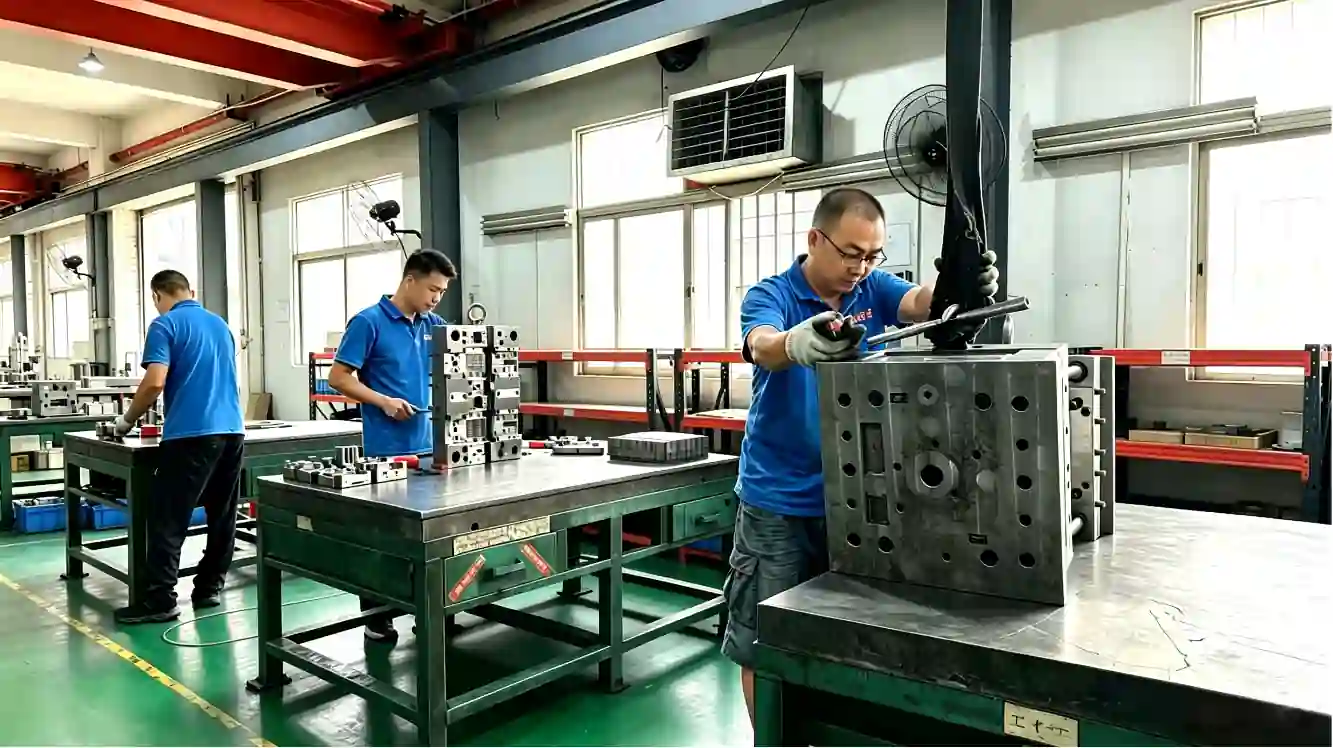
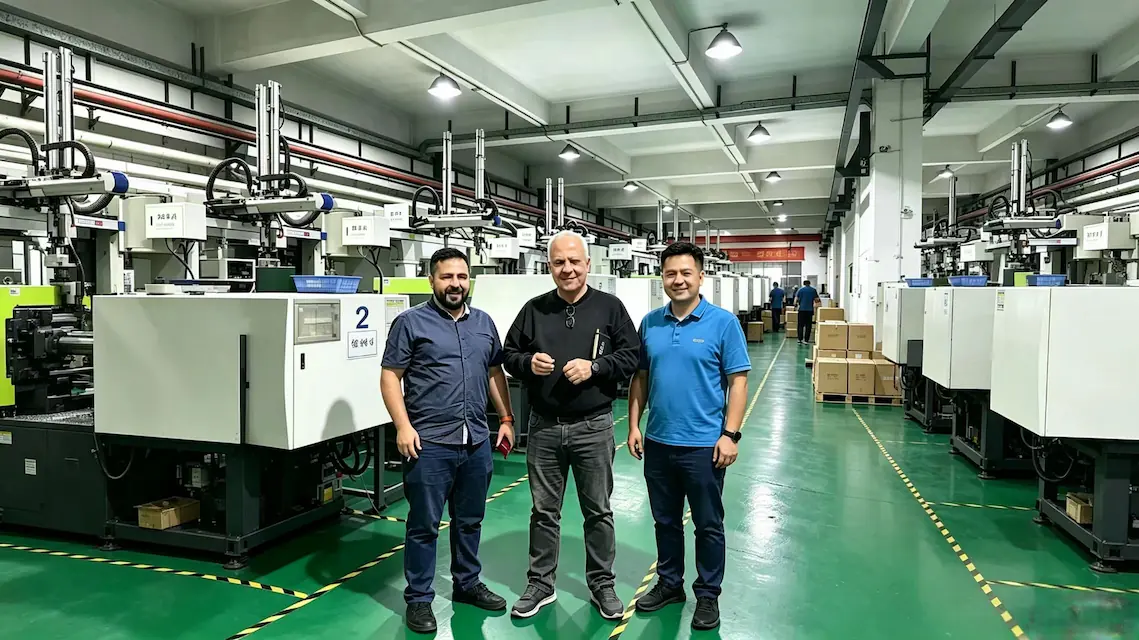
Real In-House Manufacturing

Work directly with a manufacturing factory for clearer communication and better production control.

02

Multiple Prototyping Processes

CNC machining, vacuum casting, 3D printing, sheet metal fabrication, and other prototype solutions.

03

Engineering & DFM Support

Review your CAD design and manufacturing requirements before production to identify potential issues early.

04

Quality Control

Critical dimensions, tolerances, materials, finishing, and inspection requirements are reviewed against the agreed specifications.

05

Reliable Lead Time

Production schedules consider material availability, process complexity, quantity, finishing, and inspection.

06

Prototype to Low-Volume Production

Continue from design validation to small-batch prototype manufacturing and low-volume production.

BUILD YOUR PROTOTYPE WITH SENSES MOLD

Need a Manufacturing Partner for Your Next Prototype?

Send us your CAD files, drawings, material requirements, and quantity. Our engineering team will review your project and recommend a suitable rapid prototyping solution.
TALK TO AN ENGINEER
RAPID PROTOTYPING FAQ

Rapid Prototyping FAQs for Product Development

Practical answers for common prototype development, manufacturing, and project requirements.

Yes. Prototype parts can be manufactured from a current design version while the product is still under development. This allows physical parts to be evaluated, design changes to be identified, and revised prototype versions to be produced before the design is finalized.

Yes. We can manufacture multiple related prototype components from the corresponding CAD files and drawings. When parts need to work together, assembly relationships and critical interfaces can be considered during project review.

For an efficient quotation, provide the CAD files or drawings together with the required quantity, material or material preference, surface requirements, application information, and any critical specifications. Clear project information helps our engineering team review the requirements before pricing.

Critical dimensions, tolerances, and inspection points should be identified in the technical drawing or project documentation. If specific inspection requirements or documentation are needed, they can be defined before production so the manufacturing and quality teams can work to the agreed requirements.

Yes. Rapid prototyping supports iterative development. After the first prototype has been evaluated, you can provide revised CAD files or drawings for the next version, allowing the design to progress through multiple development cycles.

Yes. SENSES MOLD can manufacture prototype parts from customer-supplied CAD files and technical drawings. You do not need to recreate your design specifically for our manufacturing process; our engineering team reviews the supplied information before production.

Yes. A project can include different components manufactured through suitable processes according to the requirements of each part. This can be useful when a product contains plastic, metal, clear, cosmetic, or mechanically functional prototype components.

Yes. An NDA can be signed before quotation upon request. Project information, CAD files, and technical requirements can then be handled according to the agreed confidentiality arrangements.

READY TO START YOUR PROTOTYPE?

Have a Prototype Project to Discuss?

Send us your CAD files, drawings, and project requirements. Our engineering team can review your project and help you move forward with the next prototype iteration.

Get your quote

Fill out the contact form below,  and you will get your quote within 24 hours.

Email: info@senseschina.com

WhatsApp: +8613790527236