
Custom Over Molding Services
Engineering-driven overmolding solutions from material selection and DFM analysis to mold manufacturing, production, finishing, and assembly. Senses Mold helps OEMs develop durable multi-material components with reliable bonding and consistent quality.
- Free DFM & Material Compatibility Review
- Fast Prototyping & Production in 2 Weeks
- Free DFM & Material Compatibility Review
- Expert in TPE, TPU & Silicone Overmolding
- Mold Design, Tooling & Production In-House

Custom Over Molding Solutions for High-Performance Plastic Components
Combining multiple materials into a single component requires more than just molding capability — it requires material expertise, precision tooling, and process control. Senses Mold provides custom overmolding solutions for integrating plastics, elastomers, silicone, and metal inserts into durable multi-material components. From initial design analysis and material selection to mold development, prototype validation, and high-volume production, we help OEM customers create reliable overmolded plastic components with improved functionality, appearance, and manufacturing efficiency. Our overmolding capabilities include:
- Plastic + elastomer overmolding
- Multi-material molding
- Two-shot molding (2K injection molding)
- Prototype overmolding and mass production support
By combining injection molding expertise with in-house tooling capabilities, Senses Mold helps customers reduce assembly steps, improve product performance, and minimize manufacturing risks throughout the product lifecycle.
Material Integration Expertise
Create seamless plastic and elastomer components without additional assembly or adhesive bonding.
Engineering Support for Overmolding Design Optimization
A successful overmolding project starts before mold manufacturing. Our engineering team works with customers to review part designs, evaluate material compatibility, and identify potential manufacturing risks at an early stage. Our engineering support includes:
- Overmolding DFM analysis
- Material selection recommendations
- Bonding structure evaluation
- Mold design optimization
- Gate and venting review
- Production feasibility assessment
Overmolding Tooling & Mold Manufacturing
The quality of an overmolding part depends heavily on the accuracy and reliability of the mold. With in-house mold design and manufacturing capabilities, we develop tooling solutions optimized for both prototype validation and long-term production. Our tooling capabilities include:
- Two-shot molding tools
- Single-cavity production molds
- Multi-cavity production molds
- Prototype and low-volume tooling
Advanced Overmolding Manufacturing Capabilities
Overmolding Machines
overmolding machines from 45T to 1200T, supporting different overmolding project requirements.
Part Size Capability
Capable of producing small precision components to larger overmolded parts.
Precision & Tolerance Control
Tight dimensional control with tolerances down to ±0.02mm depending on part design, material, and production requirements.
Looking for a Complete Overmolding Manufacturing Partner?
From tooling development to production molding, Senses Mold supports the complete process under one roof.
What Is Overmolding?
Overmolding is an advanced injection molding process where one material is molded over another existing substrate to create a single integrated component. By combining different materials within one part, manufacturers can achieve improved functionality, better user experience, and reduced assembly requirements compared with traditional multi-component designs.
Unlike conventional injection molding, which typically produces a part from a single material, overmolding allows engineers to combine rigid plastics, elastomers, silicone, or metal inserts into a unified structure. This makes it possible to create components with both structural strength and enhanced surface properties such as soft touch, sealing performance, impact resistance, and improved grip.
As an experienced overmolding manufacturer, Senses Mold helps customers evaluate material compatibility, optimize part design, and select the most suitable molding process for reliable production.

Why Overmolding Is Preferred Over Traditional Assembly
Many products traditionally require multiple components connected through screws, adhesives, mechanical fastening, manual assembly. Overmolding replaces these additional manufacturing steps by creating a unified component with integrated functions. Key advantages include:
Reduce Component Count
Combine multiple parts into one molded component and simplify product structure.
Improve Manufacturing Efficiency
Reduce manual assembly processes and improve production consistency.
Enhance Product Performance
Add features such as sealing, impact protection, vibration control, and ergonomic surfaces..
Improve Product Appearance and User Experience
Create seamless designs with soft-touch finishes and premium surface quality.

Not Sure If Overmolding Is Right For Your Product?
Our engineers can help evaluate your product structure, performance requirements, and cost targets to determine the best manufacturing approach.
Engineering Challenges We Solve with Over Molding
Successful overmolding requires the right combination of materials, part design, tooling, and molding process. Senses Mold helps customers solve common overmolding challenges and reduce production risks before mass manufacturing.
1. Material Bonding Failure
Challenge:
Plastic and elastomer materials may separate if they are not compatible or the bonding structure is not optimized.
Our Solution:
- Evaluate material compatibility,
- optimize interlocking structures
- Process parameter adjustment
Result:
- Peel strength doubled at 238°C substrate temperature; pull-off strength reaches 23.8 MPa – a 73% gain over low-temperature processing.
2. Warpage&Dimensional Issues
Challenge:
Different shrink rates during cooling lead to part deformation and tolerance failures.
Our Solution:
- Run DFM and mold flow analysis
- optimize cooling time
- use filled materials
Result:
- Warpage cut by 40% (7.68 mm → 4.35 mm) with extended cooling; glass-fiber fillers add another 33.5% improvement.
3. Complex Overmolding Mold Design
Challenge:
Multi-material parts demand complex tooling with tight insert positioning.
Our Solution:
- Use precision tooling with vision-guided insert placement and multi-cavity balancing.
Result:
- Insert positioning at ±0.02 mm, cavity-to-cavity variation under 0.01 mm, and tooling tolerances at ±0.01 mm.
4. Balancing Performance & Cost
Challenge:
High-performance materials and complex molds drive up costs.
Our Solution:
- Match material grade to performance needs
- choose tooling strategy by volume
- optimize cycle time.
Result:
- Cost break-even at 5,000 units; up to 25% per-part savings over assembly;cycle time shorter 50%.
Facing Bonding, Warpage, or Tooling Challenges?
Share your current design challenges with our engineering team. We can help identify potential risks and provide practical overmolding solutions.
Overmolding Process From Prototype to Mass Production
From initial product development to full-scale manufacturing, Senses Mold provides a complete overmolding workflow to help customers validate designs, optimize tooling, and achieve stable mass production.
Our engineering team supports every stage to reduce development risks and ensure consistent quality for overmolded components.
1. Product Design Review
Before tooling begins, our engineers review the part design to evaluate:
- Part structure and manufacturability
- Overmolding feasibility
- Bonding areas
- Critical dimensions
- Potential molding risks
Goal:
- Optimize the design before investment in tooling.
2. Material Selection
Selecting compatible materials is critical for reliable overmolding performance. We evaluate:
- Plastic substrate materials
- Elastomer compatibility
- Required hardness and flexibility
- Operating environment
Goal:
- Achieve strong bonding and long-term product performance.
3. Mold Design
Based on product requirements, our tooling engineers develop the overmolding mold design, including:
- Mold structure
- Material flow analysis
- Insert positioning
- Cooling system design
- Ejection strategy
Goal:
- Create reliable tooling for efficient production.
4. Tool Manufacturing
Our in-house tooling capabilities support:
- Precision mold machining
- EDM processing
- Mold assembly
- Tool testing and optimization
Goal:
- Ensure tooling accuracy and stable molding performance
5. Trial Production
During mold trials, we validate:
- Filling performance
- Material bonding
- Part dimensions
- Surface appearance
- Processing parameters
Goal:
- Identify and solve issues before mass production.
6. Mass Production
After validation, production is transferred to controlled manufacturing. Our production process includes:
- Process monitoring
- Quality inspection
- Production consistency control
- Continuous improvement
Goal:
- Deliver reliable overmolded components at production volume.
Ready to Move Your Overmolding Project From Prototype to Production?
Our team supports every stage from design review and tooling development to validation and mass manufacturing.
Common Over Molding Defects and How We Control
Overmolding quality depends on precise control of molding parameters, tooling conditions, and production processes. Understanding common molding defects helps prevent cosmetic issues, functional failures, and production delays.
Senses Mold applies process monitoring and quality inspection methods to identify potential issues and maintain consistent overmolded part quality.
1. Flash Defects
Flash occurs when molten material leaks into unwanted areas during molding, affecting part appearance and assembly.
Common Causes:
- Excessive injection pressure
- Mold parting line mismatch
- Insufficient clamping force
Quality Control Methods:
- Precision mold fitting
- Tool maintenance
- Process parameter optimization
2. Sink Marks
Sink marks are visible depressions that may appear when thicker sections cool unevenly.
Common Causes:
- Excessive material thickness
- Improper cooling conditions
- Poor rib or boss design
Quality Control Methods:
- Part design review
- Cooling optimization
- Injection parameter adjustment
3. Short Shots
Short shots occur when material does not fully fill the mold cavity, resulting in incomplete features.
Common Causes:
- Poor material flow
- Incorrect gate design
- Insufficient injection pressure
Quality Control Methods:
- Mold flow analysis
- Gate optimization
- Process parameter adjustment
4. Air Traps and Voids
Air traps can cause internal voids, surface marks, or weak areas in overmolded components.
Common Causes:
- Insufficient venting
- Unbalanced filling
- Complex part geometry
Quality Control Methods:
- Venting improvement
- Mold design optimization
- Filling sequence adjustment
Need Help Solving an Overmolding Quality Issue?
Whether you are developing a new overmolded component or improving an existing product, our engineering team can help analyze potential molding risks and provide practical solutions.
Custom Over Molding Applications Across Industries
Overmolding is widely used across industries where products require improved functionality, durability, protection, and user experience.
Senses Mold provides custom overmolding solutions for automotive, medical, electronics, consumer products, and industrial applications, supporting customers from prototype development to mass production.

Automotive Overmolding
Typical Applications:
- Steering wheel components
- Interior switches and controls
- Sensor housings
- Cable protection parts
- Soft-touch interior components

Medical Device Overmolding
Typical Applications:
- Medical instrument handles
- Surgical tool grips
- Diagnostic device components
- Silicone sealing parts
- Wearable medical components

Consumer Electronics Overmolding
Typical Applications:
- Electronic device housings
- Buttons and switches
- Protective covers
- Wearable device components
- Charging accessories

Power Tool Overmolding
Typical Applications:
- Tool handles
- Anti-slip grips
- Battery housings
- Protective covers
- Control switches

Cable Overmolding
Typical Applications:
- Cable assemblies
- Wire connectors
- Plugs and sockets
- Sensor connectors
- Strain relief components

Industrial Equipment Overmolding
Typical Applications:
- Machine handles
- Control panels
- Protective covers
- Sealing components
- Functional grips
Need an Overmolding Solution for Your Industry?
Every application has different requirements for performance, materials, and production methods. Share your product details with our engineering team — we can help evaluate the right overmolding approach for your industry and application.
How to Choose the Right Over Molding Material
Selecting compatible materials is one of the most important steps in overmolding. The right combination depends on bonding performance, operating environment, mechanical requirements, and industry standards.
Senses Mold helps OEM customers evaluate suitable substrate and overmold materials to achieve reliable bonding, consistent quality, and long-term product performance.

| Substrate Material | Overmold Material | Applications | Requirements |
|---|---|---|---|
| PP (Polypropylene) | TPE / SEBS | Medical handles, grips, flexible covers | FDA, ISO 10993 |
| ABS | TPE / TPU | Electronic housings, wearable devices, soft-touch parts | RoHS, REACH |
| PC (Polycarbonate) | TPE / LSR | Automotive switches, transparent parts, seals | Safety & automotive standards |
| PA6 / PA66 (Nylon) | TPE / TPV | Automotive parts, industrial grips, housings | UL94, mechanical performance |
| PBT | TPE / TPU | Electrical connectors, automotive parts, power tools | Insulation, durability |
| PC + ABS | TPE / TPU | Consumer electronics, controls, handheld devices | RoHS compliance |
| POM (Acetal) | TPE | Precision parts, damping components | Wear resistance, stability |
| PPS | Silicone / High-temp Elastomers | High-temperature sensors, engine parts | Thermal resistance |
| PEEK | Silicone / Specialty Elastomers | Medical, aerospace, high-performance parts | ISO 13485, aerospace standards |
| PLA / Bio-based Plastics | Bio-based TPE | Eco-friendly products, sustainable packaging | EN 13432, ASTM D6400 |
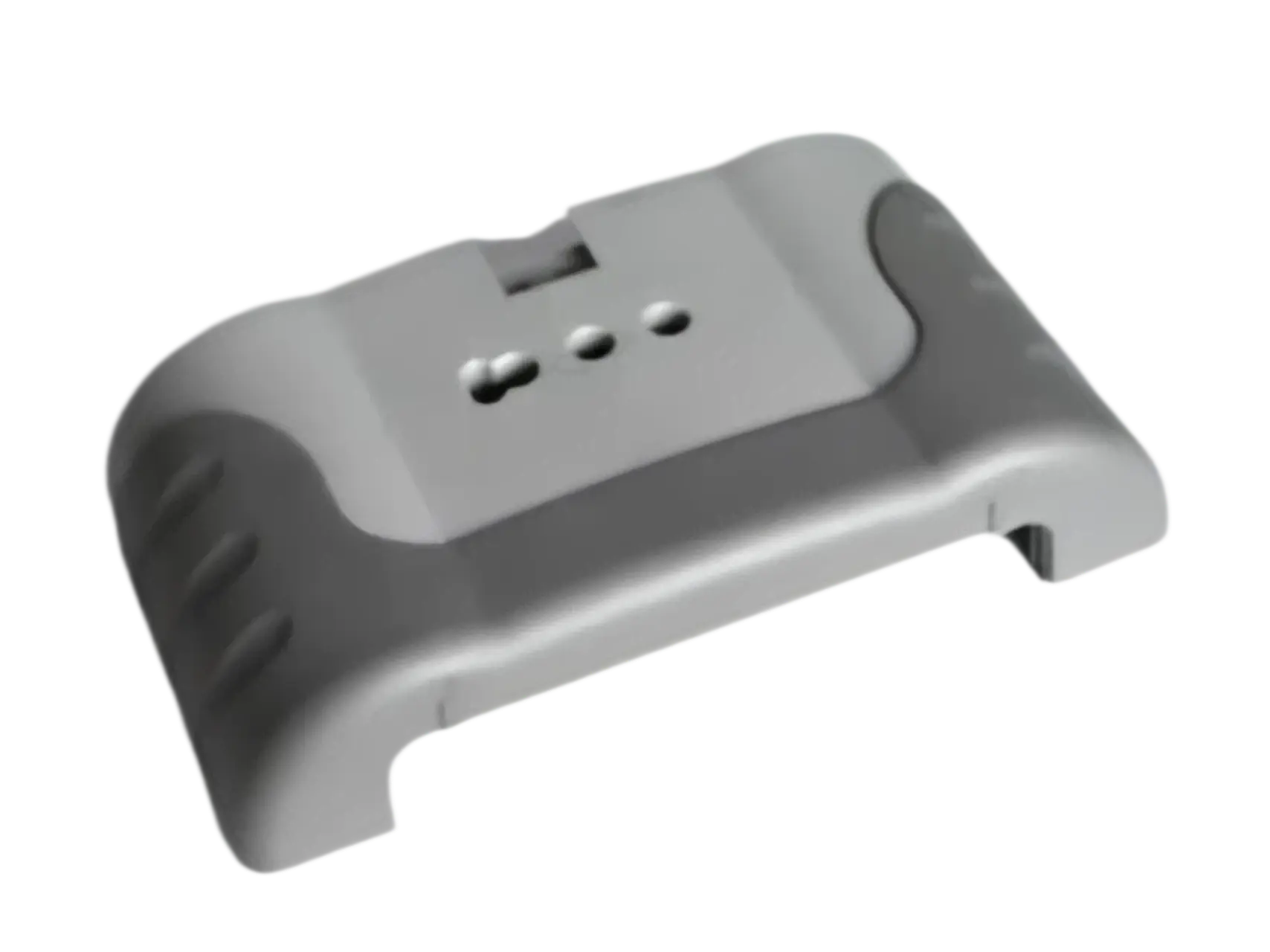
TPE Overmolding
TPE is one of the most commonly used materials for overmolding due to its flexibility, soft-touch feel, and excellent user comfort. Typical applications: Ergonomic grips, Soft-touch surfaces, Sealing components, Consumer and industrial products.
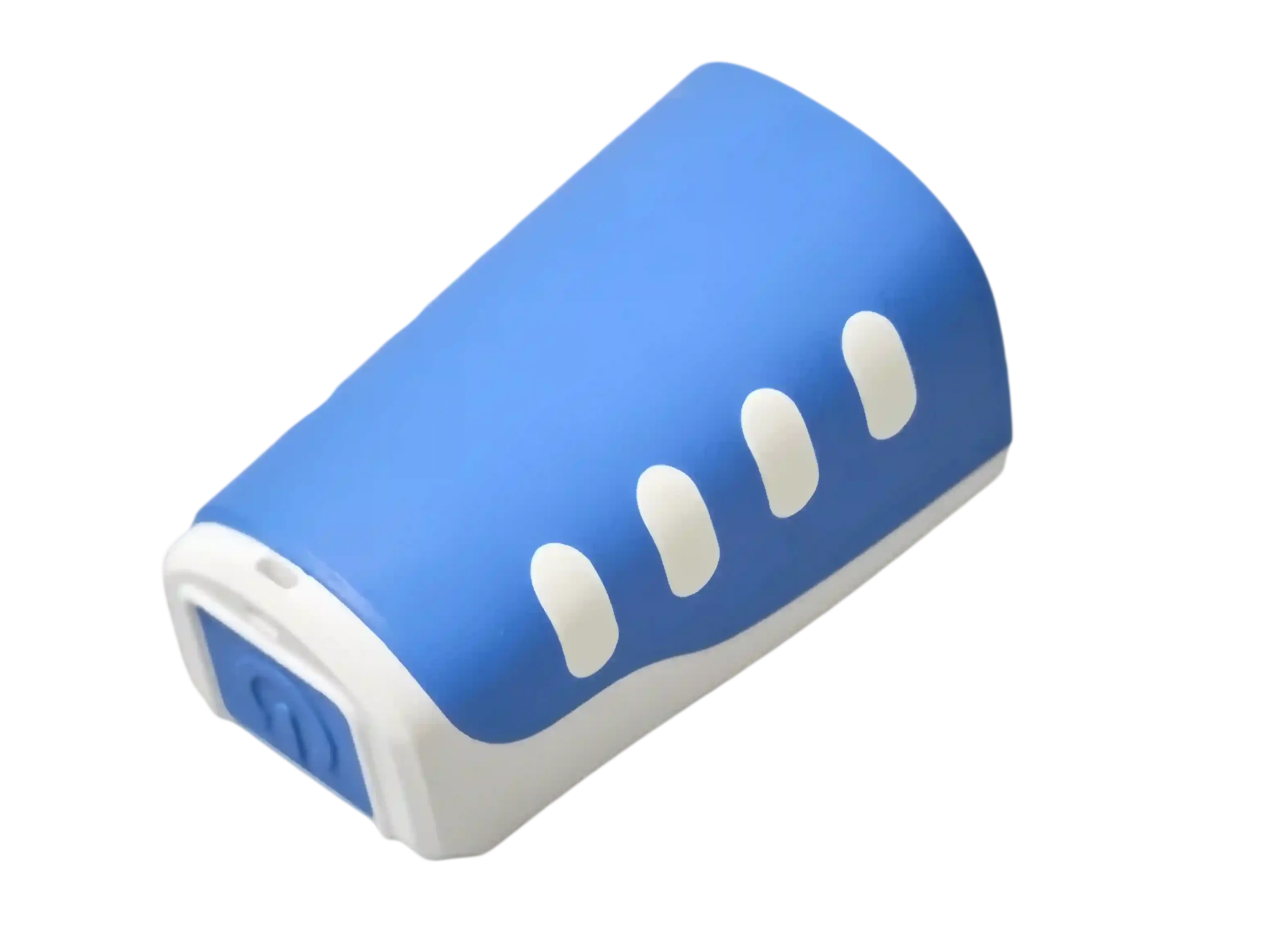
TPU Overmolding
TPU provides excellent wear resistance, impact resistance, and flexibility for demanding applications. Typical applications: Protective covers, High-wear components, Industrial parts, Electronic accessories.
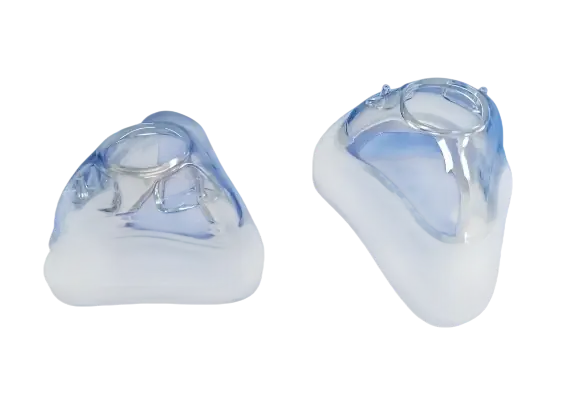
Silicone Overmolding
Silicone overmolding is selected when products require high temperature resistance, flexibility, sealing performance, or biocompatibility. Typical applications: Medical components,Sealing parts,High-temperature applications,Flexible functional components
Need Help Selecting the Right Overmolding Material?
Every application has different performance requirements. Share your part design and application details — our engineers can recommend suitable material options before production begins.
Overmolding Cost Factors and How to Optimize Production Cost
Overmolding cost depends on several factors, including material selection, mold complexity, part design, and production volume.
Senses Mold helps customers optimize each stage — from design review and tooling strategy to production planning — to achieve the right balance between quality and cost.
Material Selection: Balance Performance and Cost
Choosing the right material combination is critical for both product function and manufacturing cost. Our engineers evaluate:
- Substrate and overmold material compatibility
- Required hardness and performance
- Environmental requirements
- Alternative material options
By selecting suitable materials at the design stage, customers can avoid unnecessary material costs while maintaining product performance.
Tooling Strategy: Optimize Mold Investment
Overmolding tooling requires careful planning due to multi-material structures and production requirements. Senses Mold supports customers with:
- Mold structure evaluation
- Cavity number optimization
- Prototype tooling options
- Production tooling strategy
For different production volumes, we help determine the most cost-effective tooling approach instead of applying a one-size-fits-all solution.
Part Design Optimization: Reduce Manufacturing Complexity
Product design directly affects tooling cost and production efficiency. Our engineering team reviews:
- Part geometry
- Material thickness
- Assembly requirements
- Mold feasibility
Early DFM feedback helps reduce: Unnecessary tooling modifications, Production risks,Secondary operations。
Production Efficiency: Lower Long-Term Unit Cost
Beyond tooling investment, production efficiency has a major impact on total cost. We optimize:
- Molding cycle time
- Production parameters
- Automation opportunities
- Inspection methods
For high-volume projects, these improvements help reduce unit cost and improve production consistency.
Need Help Optimizing Your Overmolding Project Cost?
Every overmolding project has different cost challenges. Share your part requirements with our engineering team — we can evaluate your design, material options, tooling strategy, and production plan to identify cost optimization opportunities.
Why Choose Senses Mold as Your Overmolding Supplier?
Choosing the right overmolding supplier is about more than manufacturing. It requires engineering expertise, reliable production, and responsive project support. At Senses Mold, we work closely with OEMs and product developers to simplify complex overmolding projects—from concept to production.

Engineering Support From Day One
Our engineers review your design, material selection, and manufacturing feasibility before tooling begins, helping reduce development risks and costly revisions.
Tooling & Production Under One Roof
With in-house mold making and overmolding production, we maintain better quality control, faster communication, and shorter lead times throughout your project.
Flexible Production Capacity
Whether you need prototype parts, low-volume production, or mass manufacturing, we provide scalable solutions to match your project stage.
Consistent Quality You Can Trust
Every project follows controlled manufacturing and inspection processes to ensure consistent dimensions, appearance, and product performance.
Responsive Engineering Communication
From quotation to production, our team provides clear technical support and timely project updates, helping keep your development on schedule.
Tooling & Plastic Manufacturing Experience
Delivered for Global OEM Customers
Injection Molding Machine Capacity
Quality Management
Precision Molding Capability
Looking for a Reliable Overmolding Company?
Whether you’re developing a new product or improving an existing design, our engineering team is ready to help you find the right overmolding solution.
Overmolding Design & Manufacturing Knowledge Center
Explore expert resources covering overmolding design, material selection, manufacturing processes, quality control, cost optimization, and engineering best practices. Whether you’re developing a new product or improving an existing design, these guides provide practical insights for every stage of your project.
- Overmolding Design & Engineering
Overmolding Design Guidelines for Plastic Parts
Overmolding DFM Checklist Before Tooling
Overmolding Wall Thickness Design Guide
Overmolding Draft Angle and Part Release Design
Overmolding Bonding Structure Design Guide
- Overmolding Materials & Compatibility
How to Select the Right Overmolding Materials
TPE vs TPU Overmolding: Which Material Is Better?
Silicone vs TPE Overmolding: Material Comparison Guide
Engineering Plastics for Overmolding Applications
- Overmolding Processes & Technologies
Two Shot Molding vs Insert Molding: Key Differences Explained
LSR Overmolding Process for Silicone Components
Two-Shot Injection Molding Explained
Prototype Overmolding vs Mass Production: What You Need to Know
- Overmolding Quality & Troubleshooting
How to Prevent Flash Defects in Overmolding
Short Shot Problems in Overmolding: Causes and Solutions
Sink Marks and Surface Defects in Overmolded Parts
Overmolding Inspection and Quality Control Guide
Related Manufacturing Services
Looking for more than injection molding? Senses Mold offers a complete range of manufacturing services to support every stage of your product development—from prototyping and tooling to mass production and assembly. Explore our related services to find the right solution for your project.
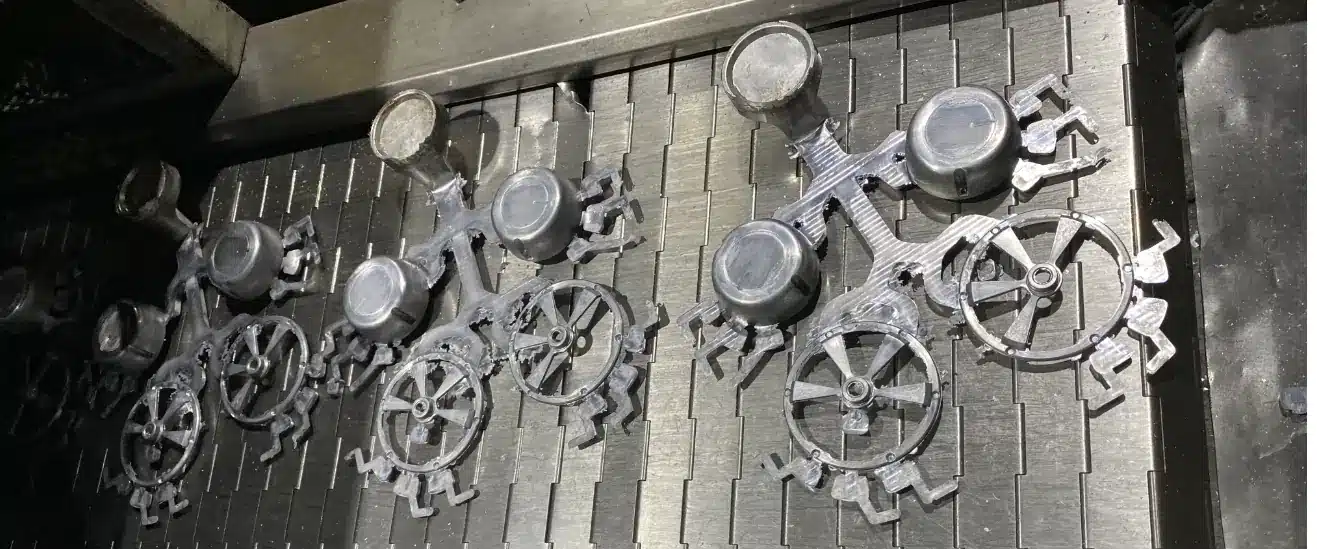
Die Casting
High-quality aluminum and zinc die casting solutions for complex metal components with excellent strength, accuracy, and production efficiency.
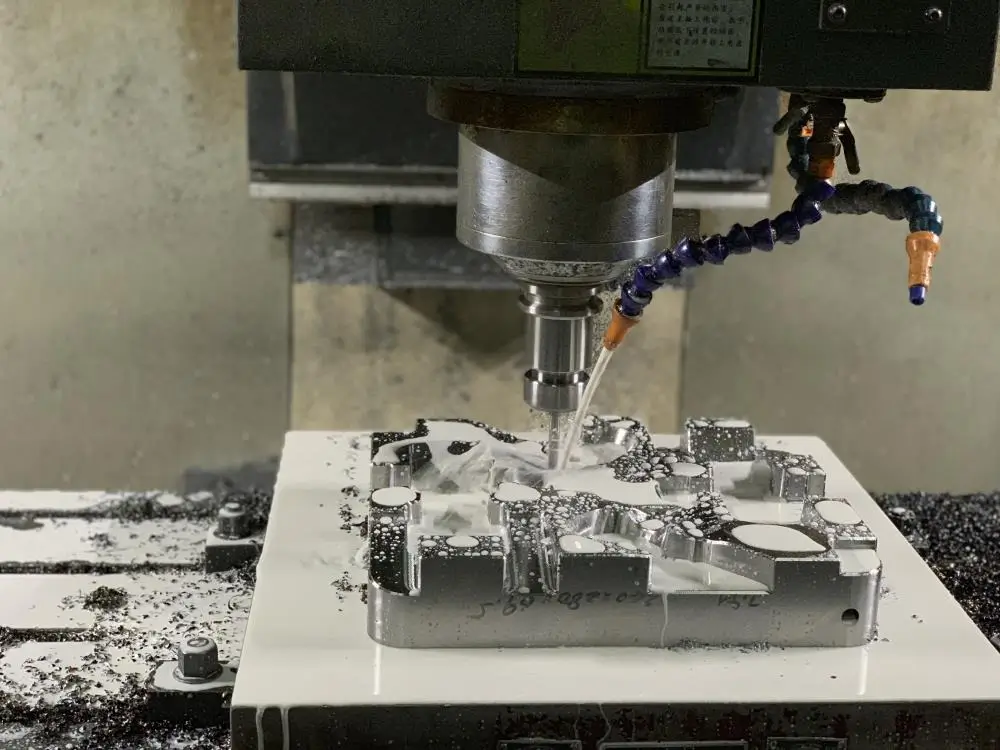
CNC Machining
Precision CNC machining services for plastic and metal parts, ideal for prototypes, low-volume production, and secondary machining.
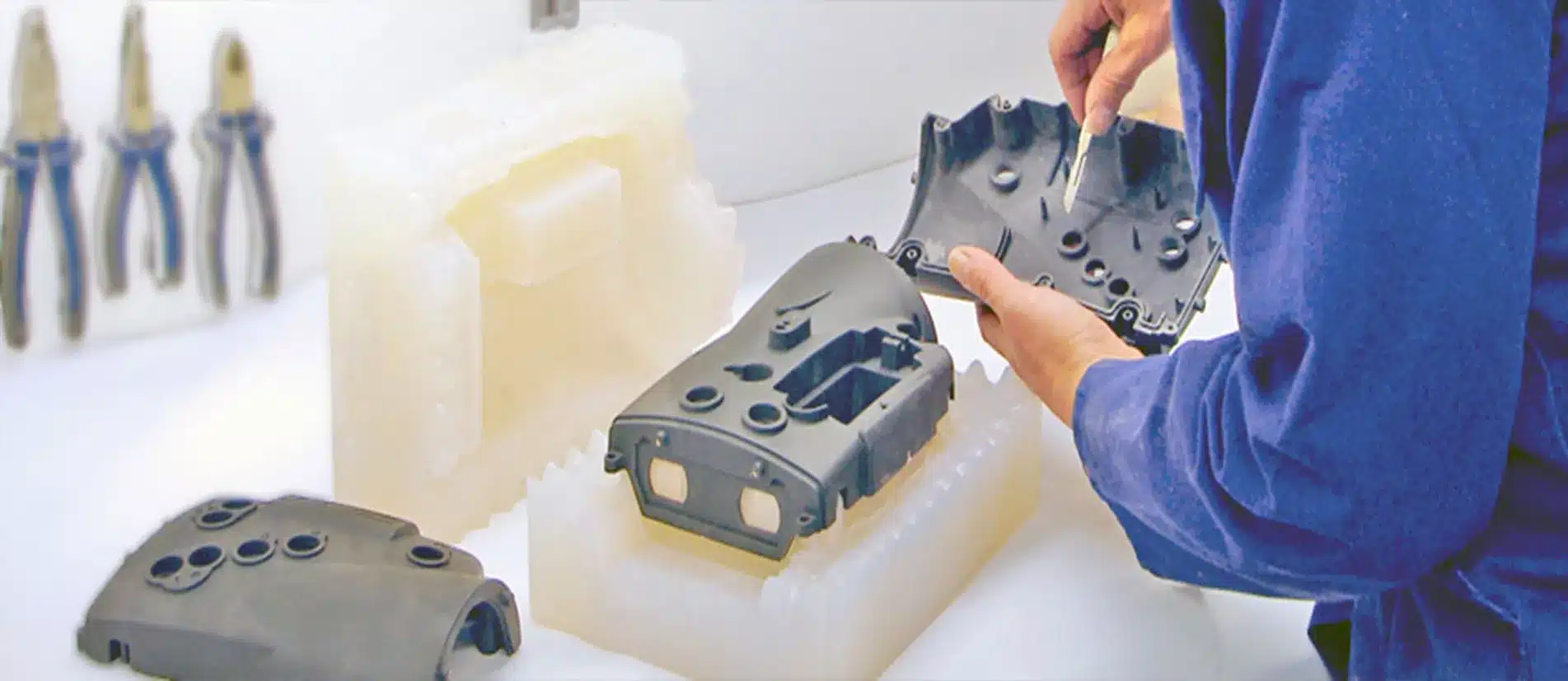
Vacuum Casting
Prototype or first article samples are manufactured for validation and approval before full production begins.
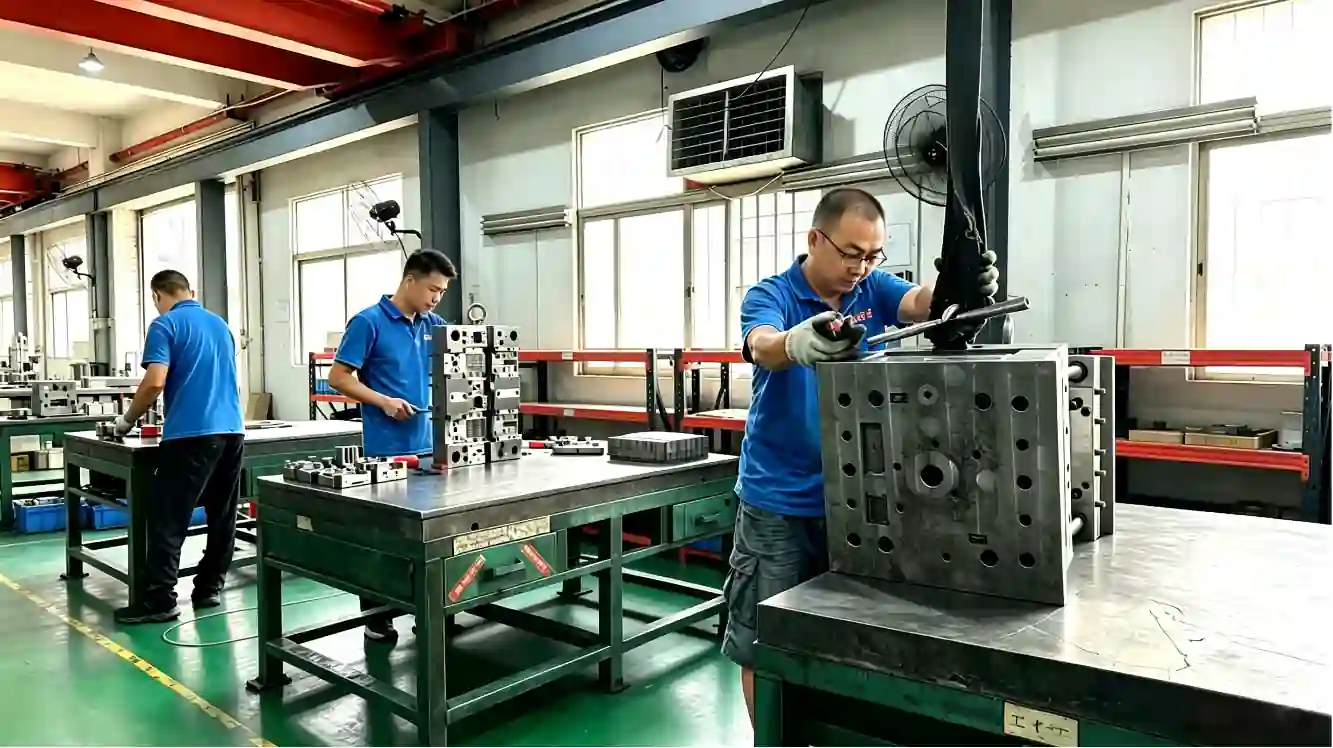
Mold Making
Custom mold design and manufacturing with optimized tooling solutions for long-lasting, high-performance production.
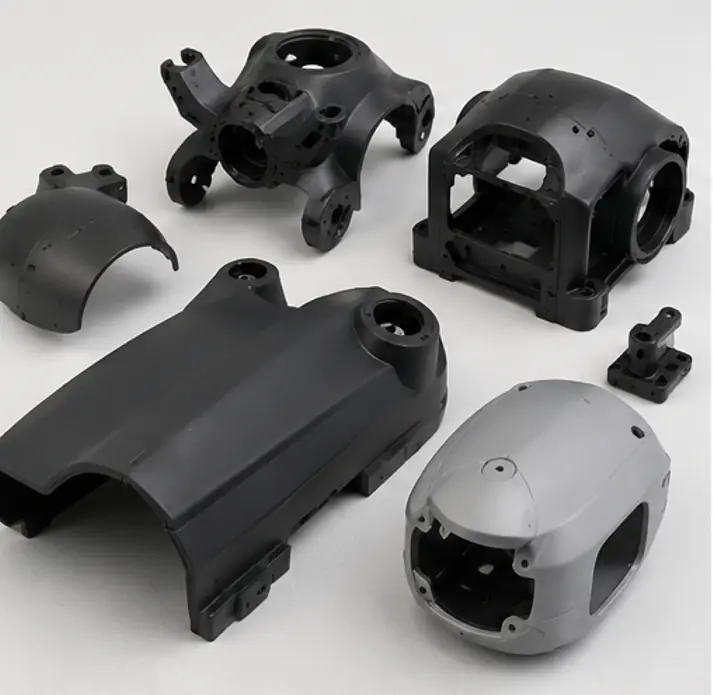
Rapid Prototyping
Accelerate product development with rapid prototyping services, including CNC machining, 3D printing, and vacuum casting.
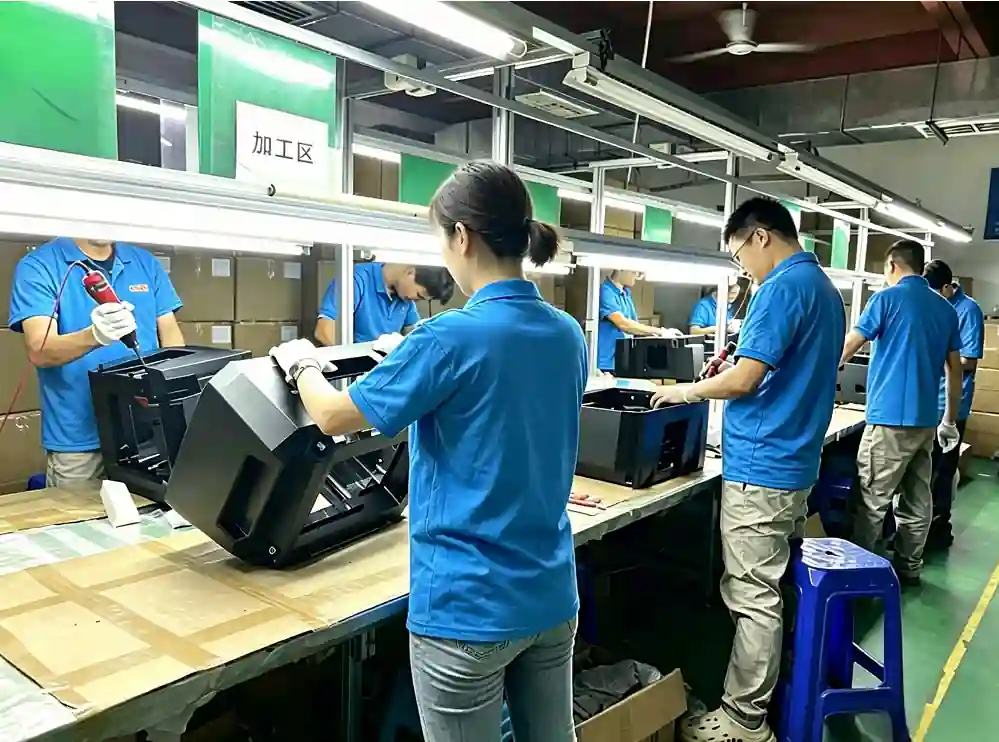
Product Assembly
Complete post-molding services including assembly, ultrasonic welding, printing, labeling, testing, and packaging.
Need a Complete Manufacturing Solution?
Whether you need tooling, overmolding, precision machining, or final assembly, our engineering team can provide an integrated solution tailored to your project.
Frequently Asked Questions (FAQ)
Overmolding bonds one material over another substrate, while insert molding encapsulates a pre-formed insert, such as metal or plastic, inside a molded component. The right process depends on your product design and functional requirements.
Overmolding generally refers to molding one material over another component, while two-shot molding injects two materials sequentially in one automated molding cycle. Two-shot molding is often preferred for high-volume production and complex multi-material parts.
Common overmolding materials include TPE, TPU, silicone, and LSR combined with substrates such as ABS, PC, PA, PP, PBT, and PC/ABS. Material compatibility depends on bonding performance and application requirements.
Overmolding is widely used in automotive, medical devices, consumer electronics, industrial equipment, power tools, and household products where improved functionality, protection, or ergonomics are required.
Yes. Prototype overmolding allows product developers to validate part design, material selection, and functional performance before investing in production tooling, helping reduce development risks.
To prepare an accurate quotation, we recommend providing 2D drawings or 3D CAD files, material specifications, annual production volume, application details, and any required certifications or quality standards.
Lead time depends on project complexity, tooling requirements, material availability, and production volume. Prototype projects are typically completed much faster than full production tooling and mass manufacturing.
Yes. Senses Mold provides integrated services including DFM review, mold design, tooling manufacturing, prototype overmolding, mass production, quality inspection, and secondary operations. tooling and mass manufacturing.