
Custom Gas Assist Injection Molding Solutions for Lightweight Plastic Parts
Reduce part weight, eliminate sink marks, and improve structural performance with advanced gas assisted injection molding solutions. SENSES MOLD supports complete manufacturing from mold design and tooling to injection molding production.
20+ Years Experience | ISO9001 | IATF16949 | Prototype to Mass Production | 50T–1200T Machines

Lightweight Plastic Components
Reduce material usage and optimize large or thick-wall plastic parts.
Sink Mark Reduction
Improve surface quality and minimize common injection molding defects.
Better Structural Performance
Create reinforced hollow sections without increasing wall thickness.
Complete Manufacturing Support
From DFM analysis and tooling to production and inspection.
What Is Gas Assist Injection Molding?
Gas Assist Injection Molding is a specialized plastic injection molding process that integrates controlled gas injection into the molding cycle. At SENSES MOLD, this process is applied together with precision mold development and injection molding expertise to manufacture complex plastic components requiring optimized internal structures.


How Gas Assist Injection Molding Works
During the molding process, molten plastic is injected into the mold cavity first. A controlled nitrogen gas flow is then introduced through dedicated gas injection points to form internal passages within the molded part. The final component is produced with a designed internal structure created during the molding cycle.
Molten plastic is injected into the mold cavity following the designed filling sequence.
Controlled nitrogen gas is introduced through dedicated gas injection points.
The gas-assisted process creates designed internal passages within the molded component.
Gas Assist Molding Methods
Gas is injected directly into the molten plastic to form internal hollow sections within the component.
External gas pressure is applied through the mold surface to support selected molding applications.
Have a Complex Plastic Part Design?
Our engineers can review your part structure and recommend whether Gas Assist Injection Molding is the right solution.
Why Choose Gas Assist Molding for Your Plastic Parts?
Traditional injection molding may require thicker walls and additional material to achieve required strength. Gas Assist Injection Molding provides a smarter way to optimize part structure while maintaining performance requirements.
At SENSES MOLD, we apply gas assisted molding technology to help customers develop lightweight, durable, and cost-effective plastic components.
1. Lightweight Plastic Part Design
Reduce unnecessary material while maintaining structural requirements
Gas Assist Injection Molding creates optimized internal structures inside selected areas of plastic parts, allowing engineers to reduce excessive wall thickness and improve overall part efficiency.
Benefits:
- Lower material consumption
- Reduced component weight
- Improved design flexibility
2. Improved Surface Quality & Dimensional Stability
Better control for large and thick-wall components
Gas assisted molding helps manage material distribution during the molding process, supporting more stable production for parts with complex geometries and thicker sections.
Benefits:
- Improved dimensional consistency
- Better appearance control
- Reduced molding variation
3. Enhanced Structural Performance
Achieve stronger designs without simply adding more material
By optimizing internal structures, gas assisted molding allows engineers to develop plastic components with improved rigidity and functional performance.
Benefits:
- Higher stiffness-to-weight ratio
- Support for large structural parts
- More efficient product designs
Optimize Your Plastic Part Design with Gas Assist Molding
Our engineers can evaluate your part structure and identify opportunities for weight reduction, improved performance, and better manufacturability.
Gas Assist Injection Molding Process & Technology
Successful Gas Assist Injection Molding requires precise coordination between part design, mold engineering, gas injection control, and production validation. At SENSES MOLD, we support customers through the complete development process — from initial design evaluation and tooling development to process optimization and mass production.

1. Part Design Review
Before mold development begins, engineers analyze the part structure to determine whether gas assist molding is suitable for the application. Key considerations:
- Part geometry evaluation
- Wall thickness distribution
- Gas assist application areas
- Structural requirements

2. Mold Design & Gas Channel Planning
Gas Assist Injection Molding depends heavily on proper mold design. Gas injection locations and flow paths need to be carefully planned to achieve stable molding results. Key considerations:
- Gas injection point location
- Gas channel layout
- Mold cavity design
- Cooling system optimization
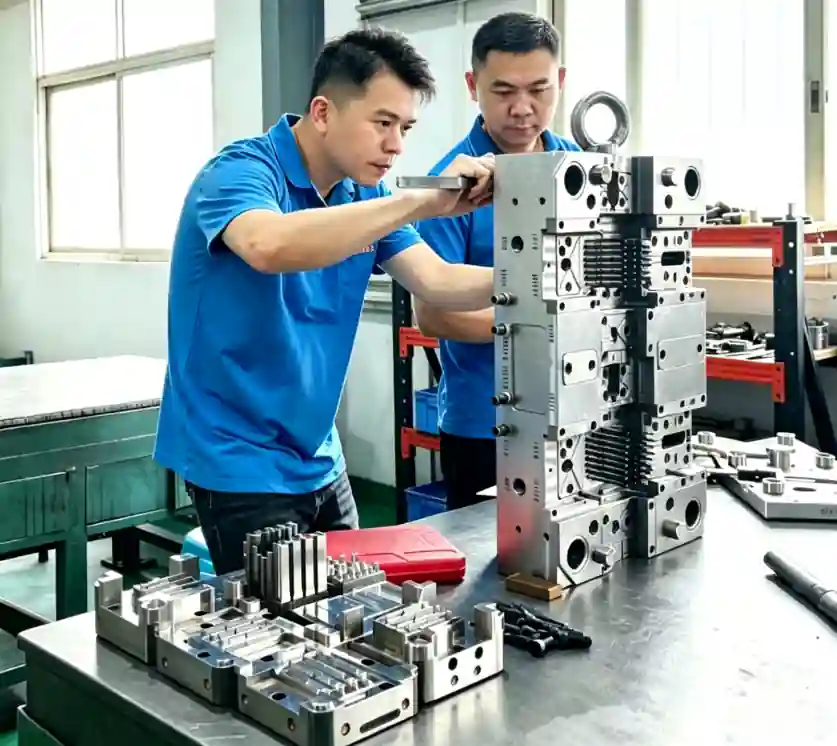
3. Precision Mold Manufacturing
After design validation, the mold is manufactured with precise machining and assembly processes to ensure accurate cavity structure and consistent molding conditions. Key considerations:
- Mold machining accuracy
- Component fitting
- Mold trial preparation

Plastic Injection & Nitrogen Gas Injection
During the molding cycle, molten plastic is injected into the cavity first. Controlled nitrogen gas is then introduced through dedicated gas injection points to form the designed internal structure. Key process factors:
- Injection sequence
- Gas injection timing
- Nitrogen gas pressure
- Filling balance

5. Mold Trial & Process Optimization
Trial molding helps engineers verify part quality and optimize process parameters for stable production. Validation includes:
- Part appearance checking
- Internal structure verification
- Dimensional inspection
- Process parameter adjustment
6. Mass Production & Continuous Improvement
After process validation, production parameters are standardized to ensure repeatable output during high-volume manufacturing. Quality control includes:
- Dimensional inspection
- Appearance inspection
- Process monitoring
- Production consistency checks
Have a Challenging Plastic Part Design?
Gas Assist Injection Molding requires careful engineering before production. Share your CAD file and our team can evaluate your part structure, tooling requirements, and molding approach.
Gas Assist Injection Molding Equipment & Manufacturing Capability
Reliable Production Starts with the Right Manufacturing Foundation
Gas Assist Injection Molding requires more than a gas injection system. The combination of suitable injection molding equipment, production capacity, and manufacturing resources determines whether a project can move from initial trials to stable production.
SENSES MOLD provides integrated manufacturing capabilities to support gas assisted injection molding projects from prototype development to volume production.
Injection Molding Machine Capacity
Our injection molding equipment supports a wide range of plastic components, from small precision parts to larger structural components. Injection Molding Capability
- Injection molding machines: 50T–1200T
- Prototype and production molding support
- Large plastic component manufacturing
- Engineering plastic part production
- OEM and custom molding projects

Gas Assist Injection Molding Equipment
Gas assisted molding requires dedicated gas injection equipment working together with injection molding machines to achieve controlled nitrogen gas delivery during production. Equipment Capability Includes:
- Nitrogen gas injection system
- Gas pressure control
- Gas injection sequence control
- Production parameter monitoring

Manufacturing Capability Beyond Molding
Beyond injection molding equipment, successful projects also depend on supporting manufacturing resources. Includes:
- Injection mold making
- Surface finishing
- CNC Machining
- Secondary operations
- Assembly

Need a Gas Assist Injection Molding Supplier with Production Capability?
From equipment selection to production delivery, our team can support your project requirements with integrated manufacturing resources.
Gas Assist Injection Molding Materials
Material Options for Gas-Assisted Plastic Parts
Material selection affects gas penetration, melt flow, shrinkage, part weight, structural performance, and dimensional stability. The resin grade, reinforcement content, and processing characteristics all need to match the requirements of the gas-assisted part.
At SENSES MOLD, we mold gas-assisted plastic components using standard thermoplastics and engineering plastics. Material selection is evaluated according to the part structure, required performance, and molding requirements.


Standard Thermoplastics
Standard thermoplastics can be considered for gas-assisted parts where lightweight construction, material efficiency, and balanced mechanical performance are required. Supported materials include:
- PP
- ABS
- PC/ABS
- PA6
- PA66
- PBT
These materials can be considered for:
- Lightweight structural parts
- Large plastic housings
- Automotive plastic components
- Industrial covers
- General structural components
Engineering Thermoplastics
Engineering plastics are selected when gas-assisted components require higher mechanical strength, temperature resistance, dimensional stability, or specific performance characteristics. Supported materials include:
- Glass Nylon
- POM
- PPS
- PEEK
- LCP
- PC
These materials can be considered for:
- Structural automotive components
- Precision plastic components
- Electrical and electronic parts
- Industrial equipment components
- High-performance plastic structures
Reinforcement Can Affect Gas-Assisted Molding Behavior
Glass fiber and other fillers can change melt flow, shrinkage, stiffness, and dimensional behavior during molding. Common considerations include:
Common considerations include:
- Glass fiber percentage
- Flow direction
- Shrinkage anisotropy
- Required structural strength
- Final dimensional requirements
Need Help Selecting a Gas Assist Material?
The right resin depends on the part structure, required performance, material grade, and production requirements. Share your part drawing and material specification with SENSES MOLD. We can evaluate the material requirements for your gas-assisted molding project before tooling.
Gas Assist Injection Molding Design & Engineering Support
Engineering Experience Helps Avoid Design Risks Before Production
Successful Gas Assist Injection Molding starts with the right part design. Based on practical injection molding experience, our engineers evaluate part geometry, wall thickness, material flow, and gas assist feasibility to improve manufacturability before tooling begins.
Design Considerations for Gas Assist Injection Molding
01. Part Structure & Wall Thickness Analysis
Proper part structure is critical for achieving consistent gas penetration and reducing molding issues. Our engineers review:
- Wall thickness distribution
- Thick section locations
- Material flow direction
- Structural requirements
02. Gas Channel Design Considerations
Gas channel design directly affects gas penetration and internal structure formation. Key considerations:
- Gas injection location
- Gas flow path
- Gas penetration distance
- Connection between thick areas
03. Rib, Boss & Structural Feature Optimization
Structural features require careful design to avoid unnecessary thickness variation and molding risks. Considerations include:
- Rib thickness
- Boss location
- Support structures
- Stress concentration areas
04. Material Flow & Molding Feasibility Review
Different plastic materials have different flow characteristics, which can affect gas penetration and final part quality. Engineering review includes:
- Material flow behavior
- Shrinkage characteristics
- Processing requirements
- Part performance requirements
Need Help Optimizing Your Gas Assist Part Design?
Let our engineers review your part requirements and provide practical design recommendations before tooling development.
Gas Assist Injection Molding Challenges & Manufacturing Solutions
Engineering Experience Helps Avoid Design Risks Before Production
Successful Gas Assist Injection Molding starts with the right part design. Based on practical injection molding experience, our engineers evaluate part geometry, wall thickness, material flow, and gas assist feasibility to improve manufacturability before tooling begins.
6 Common Challenges We Help Solve
01. Gas Marks & Surface Defects
Improve Appearance Quality of Molded Parts

Gas marks in injection molding may result from trapped air, uneven filling, or improper molding conditions. Our engineers evaluate:
- Material flow
- Mold venting
- Filling conditions
- Gas assist feasibility
02. Sink Marks in Thick-Wall Areas
Optimize Thick Sections for Better Results
Large wall thickness variations can create sink marks and longer cooling cycles.
Gas assisted molding can help optimize internal structures and reduce unnecessary material accumulation.
03. Warpage & Dimensional Variation
Improve Stability for Large Components

Large plastic parts may experience deformation due to uneven shrinkage and internal stress. Engineering evaluation focuses on:
- Part structure
- Wall thickness
- Material distribution
04. Excessive Material Usage
Reduce Weight While Maintaining Function

Some structural plastic components require excessive thickness in conventional molding.
Gas Assist Injection Molding can help create optimized internal structures while maintaining strength requirements.
05. Gas Trapping & Internal Voids
Improve Internal Structure Control

Improper molding conditions may cause trapped gas or internal defects. Our team analyzes:
- Mold design
- Material behavior
- Processing conditions
06. Filling & Flow Control Issues
Improve Complex Part Filling Performance

Large plastic parts may experience deformation due to uneven shrinkage and internal stress. Engineering evaluation focuses on:
- Part structure
- Wall thickness
- Material distribution
Facing Injection Molding Problems on Your Plastic Parts?
Share your part drawings or current molding issues with our engineering team. We can help evaluate possible causes and recommend improvement options.
Automotive
Lightweight structural and interior components such as instrument panel parts, door components, handles, brackets, and large plastic housings.
Electronics
Large plastic housings, equipment frames, covers, and structural components where reduced weight and improved dimensional stability are required.
Appliances
Large plastic housings, handles, panels, and structural components where gas-assisted molding can help reduce weight, sink marks, and warpage.
Industrial Equipment
Structural housings, handles, covers, brackets, and large plastic components designed for improved stiffness and reduced material consumption.
Consumer Products
Lightweight handles, housings, furniture components, appliance parts, and large plastic products requiring better rigidity with less material.
Transportation
Lightweight structural and interior plastic components that benefit from reduced material usage, improved stiffness, and more efficient molding.
Gas Assisted Injection Molding Applications
Lightweight, Rigid Plastic Components Across Multiple Industries
Gas assisted injection molding is ideal for large, thick-wall, and structural plastic parts requiring lower weight, reduced material usage, improved rigidity, and better dimensional stability.
SENSES MOLD provides custom gas assisted injection molding for automotive, electronics, consumer, industrial, appliance, and transportation applications, from prototypes to mass production.
Don’t See Your Industry or Product Listed?
Gas assisted injection molding can be adapted to many products beyond these common applications. Share your project with our engineering team. We’ll help determine if gas assisted injection molding is the right solution for your part.
Gas Assist Injection Molding Cost Factors
What Makes Gas Assist Molding More or Less Expensive?
The biggest cost differences usually come from part design, mold complexity, material usage, production volume, and secondary operations. A well-designed gas-assisted part can reduce plastic consumption and part weight, but unnecessary complexity can increase tooling and processing costs.
| Cost Factor | What Drives Cost | How to Control It |
|---|---|---|
| Part Design | Large size, complex geometry, thick sections, and difficult gas paths | Optimize walls, ribs, and hollow sections during DFM |
| Gas Assist Tooling | Gas pins, valves, channels, and specialized mold components | Design the gas system around the actual part requirements |
| Material Usage | Resin type, part weight, and gas penetration design | Use gas-assisted sections where they provide real material savings |
| Production Volume | Tooling cost spread across the total production quantity | Match mold construction and automation level to annual volume |
| Cycle Time | Injection, gas penetration, cooling, and gas release | Optimize molding parameters to balance cycle time and part quality |
| Secondary Operations | CNC machining, trimming, finishing, and assembly | Reduce post-molding operations through better mold design |
Want to Know Where Your Cost Goes?
Send us your part drawing or 3D model. We can identify the main cost drivers and opportunities to reduce material, tooling, and production costs before quoting.
Gas Assist Injection Molding Quality Control & Validation
Controlling the Factors That Directly Affect Gas Assist Part Quality
Gas-assisted molding quality depends on how well gas penetration, plastic filling, cooling, and part geometry are controlled together. SENSES MOLD focuses on the factors that directly influence part consistency and performance.

01. Gas Penetration Control
Gas pressure, timing, and penetration behavior are controlled to achieve consistent hollow sections and material distribution.
- Gas pressure & timing
- Penetration consistency
- Hollow section formation

02. Filling & Process Stability
Injection and gas-assisted parameters are coordinated to maintain stable cavity filling and packing conditions.
- Injection speed & pressure
- Melt temperature
- Gas injection timing
- Cooling conditions
03. Gas-Related Defect Inspection
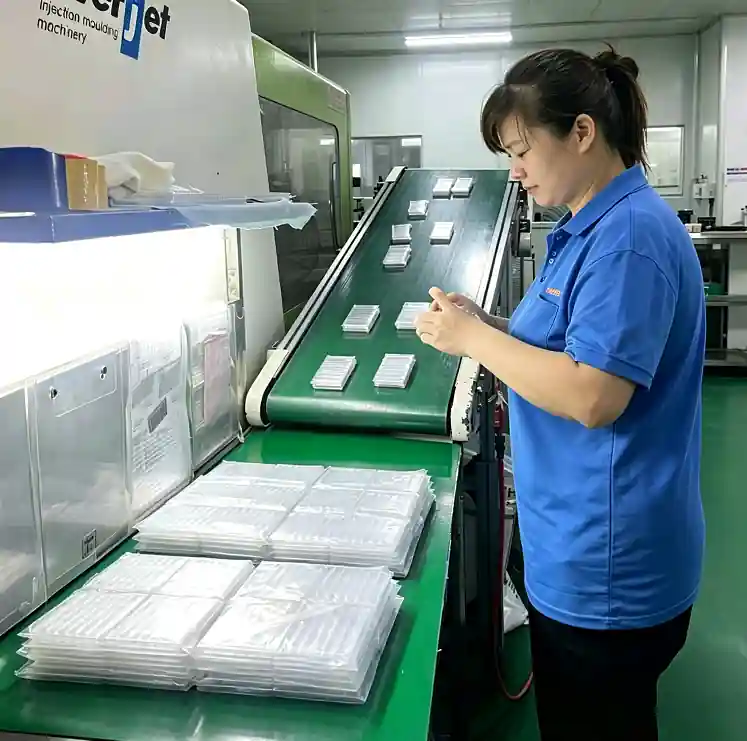
Parts are specifically inspected for defects that can occur during gas-assisted molding.
- Gas marks
- Sink marks
- Warpage
- Short shots
- Uneven hollow sections
04. Dimensional & Functional Verification
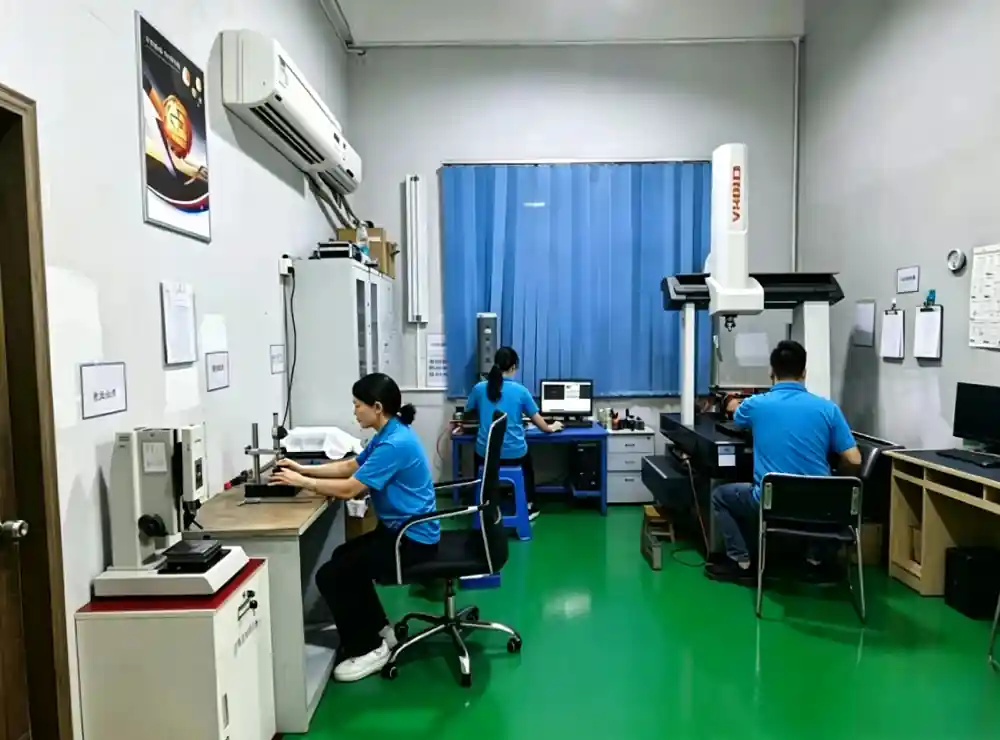
Critical dimensions and structural areas are inspected to confirm that the finished part meets drawing and performance requirements.
- CMM & optical inspection
- Critical dimension checks
- Wall section verification
- Functional testing when required
Need Stable Gas Assist Production?
Send us your drawing or 3D model. Our engineers can identify potential quality risks before production begins.
Why Choose SENSES MOLD for Gas Assist Injection Molding
A Reliable Factory Partner for Quality, Cost, Delivery & Communication
Choosing the right gas assist injection molding manufacturer affects more than part quality. SENSES MOLD focuses on the factors that matter throughout your entire project—from the first quotation to repeat production.
Consistent Quality
Gas pressure, molding parameters, dimensional accuracy, surface appearance, and gas-related defects are controlled throughout production to deliver consistent parts from batch to batch.
Competitive Project Cost
Our in-house tooling and molding capabilities help control mold costs, material consumption, cycle time, and secondary operations—giving you a more competitive total production cost.
Reliable Delivery
Mold making, sampling, production, and inspection are coordinated within SENSES MOLD. Fewer external handoffs help keep the project moving and reduce avoidable delays.
Direct Communication
You communicate directly with our engineering and production teams. Technical questions, design changes, trial feedback, and production issues can be discussed and resolved without unnecessary communication layers.
Long-Term Production Support
We are not focused only on delivering the first batch. SENSES MOLD supports ongoing production with process control, quality inspection, mold maintenance, and engineering assistance as your requirements evolve.
Fast Problem Solving
When issues occur during mold trials or production, our tooling, molding, and quality teams can work together at the factory to identify the cause and implement corrective actions quickly.
Delivered for Global OEM Customers
Injection Molding Machine Capacity
Quality Management
Precision Molding Capability
Tooling & Plastic Manufacturing Experience
Looking for a Gas Assist Injection Molding Factory You Can Rely On?
Send your drawing or 3D model to SENSES MOLD and let our team review your project.
Gas Assist Injection Molding Engineering Insights
Practical Guides for Better Gas Assist Molding Decisions
Explore practical insights from SENSES MOLD covering material selection, part design, process control, project economics, and supplier evaluation. Each guide focuses on a specific engineering or purchasing decision to help reduce risk before production.
- Gas Assist Injection Molding Materials
Top Material Selection Factors for Gas Assist Injection Molding
Top Material Problems That Can Affect Gas Assist Molding
Top Ways to Reduce Resin Consumption in Gas Assist Molding
ABS vs PP for Gas Assist Injection Molding: Which Fits Your Part?
Engineering Plastics vs Commodity Plastics for Gas Assist Molding
- Gas Assist Injection Molding Design
Top Design Rules for Gas Assisted Injection Molded Parts
Top Ways to Reduce Weight in Gas Assisted Plastic Parts
Top Design Mistakes That Make Gas Assist Molding Difficult
Gas Assist vs Conventional Injection Molding for Thick-Wall Parts
Gas Assist vs Foam Injection Molding for Lightweight Plastic Parts
- Gas Assist Injection Molding Process
Top Gas Assist Injection Molding Process Parameters to Monitor
Top Causes of Gas Marks in Injection Molding
Top Causes of Warpage in Gas Assisted Injection Molding
Gas Assist Injection Molding vs Conventional Injection Molding: Process Comparison
Gas Assist vs Water Assist Injection Molding: Which Process Fits Your Part?
- Gas Assist Injection Molding Cost & Supplier
Top Factors That Drive Gas Assist Injection Molding Cost
Top Questions to Ask Before Choosing a Gas Assist Molding Supplier
Top Ways to Reduce Total Gas Assist Manufacturing Cost
Gas Assist Molding Cost vs Conventional Injection Molding Cost
Gas Assist Injection Molding Manufacturer vs General Injection Molding Supplier
Related Manufacturing Services
Complete Manufacturing Support for Your Plastic Part Project
Gas assisted injection molding is often only one part of a larger manufacturing project. SENSES MOLD can support the additional processes required to take your part from tooling to finished production.
Die Casting
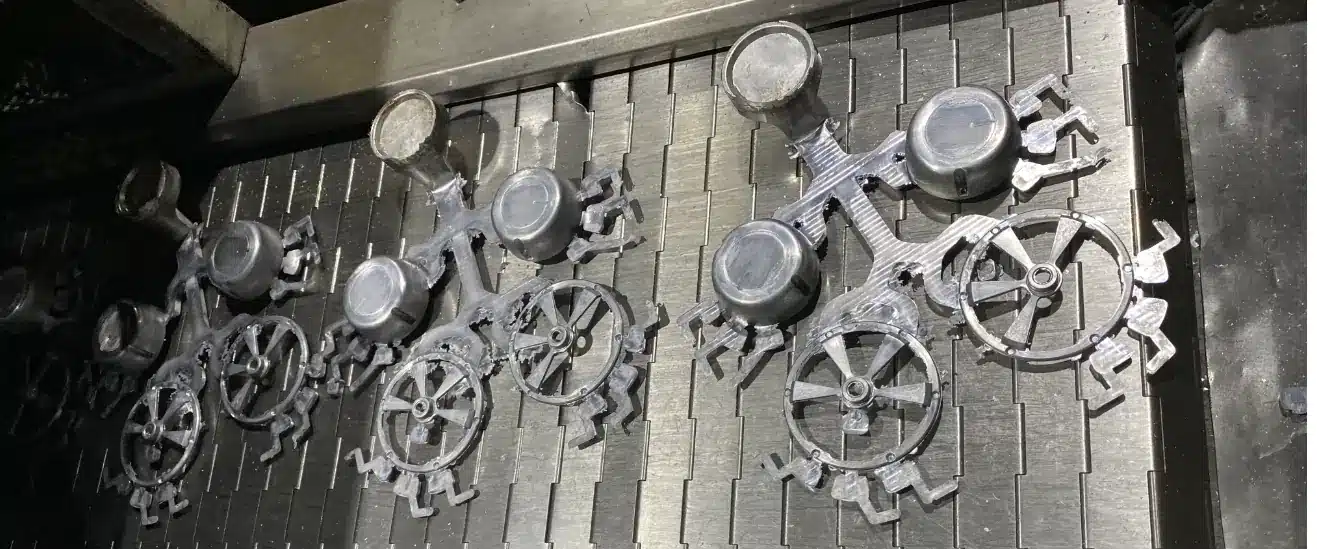
High-quality aluminum and zinc die casting solutions for complex metal components with excellent strength, accuracy, and production efficiency.
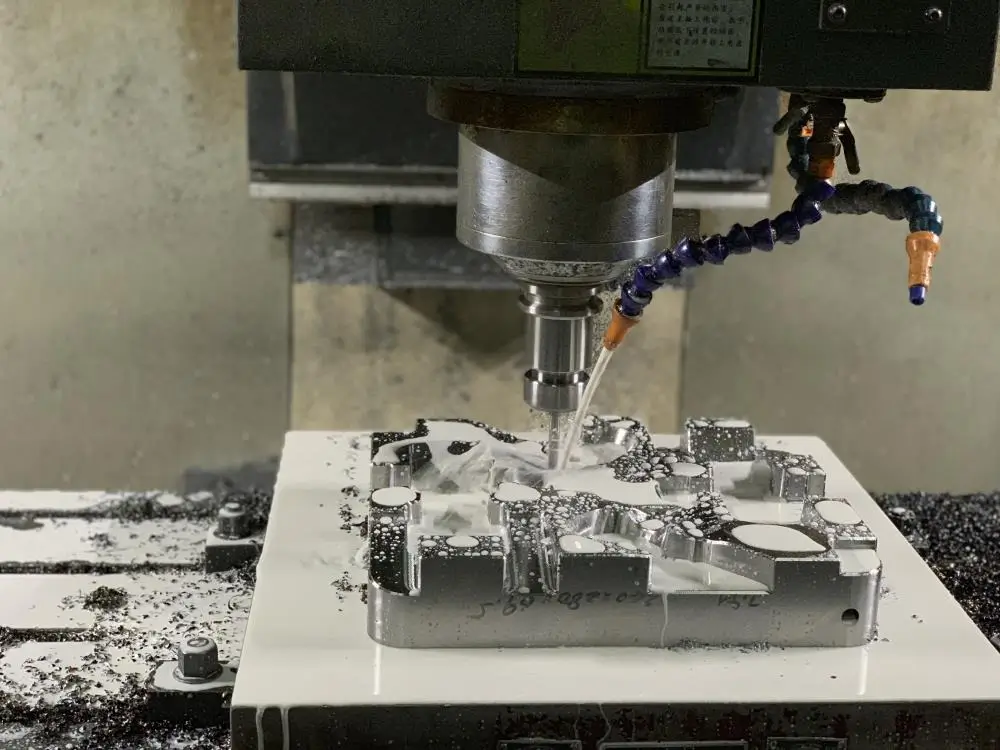
CNC Machining
Precision CNC machining services for plastic and metal parts, ideal for prototypes, low-volume production, and secondary machining.
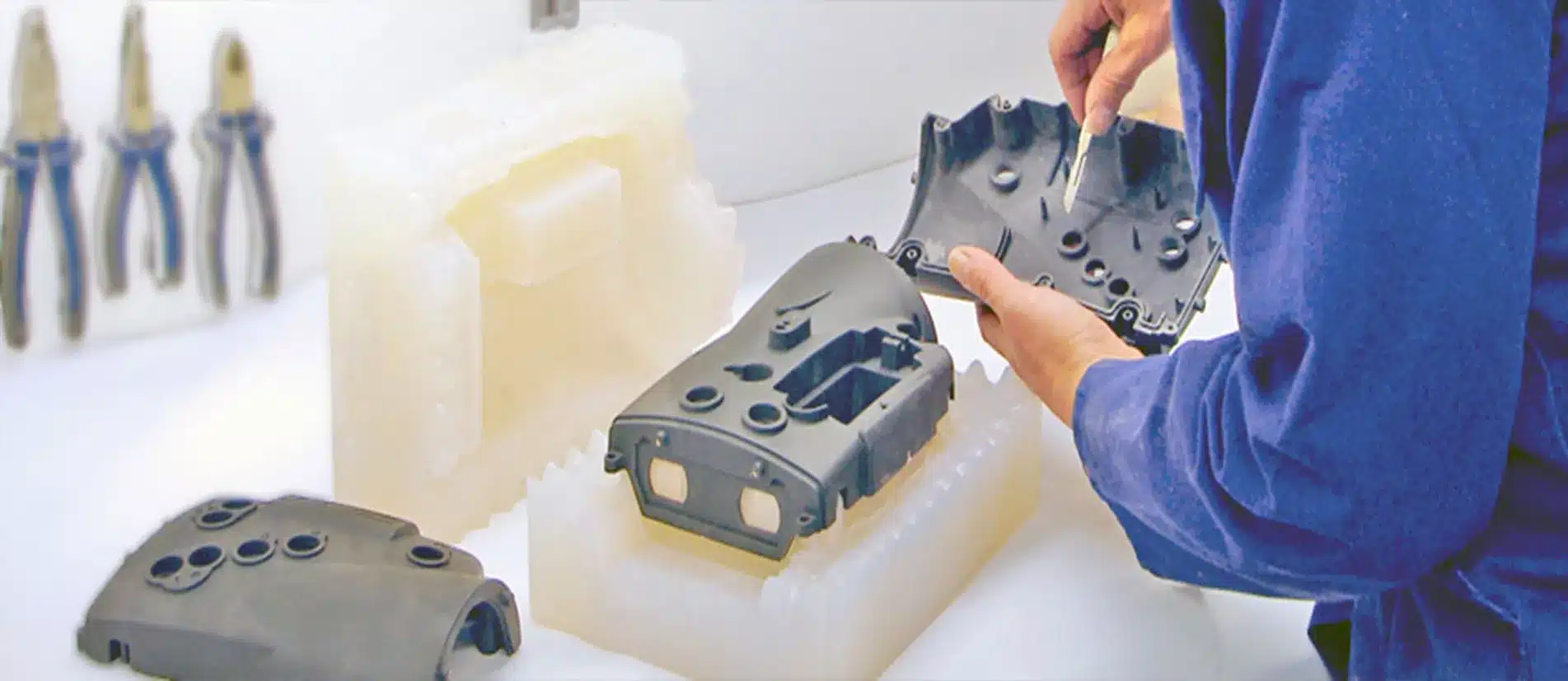
Vacuum Casting
Prototype or first article samples are manufactured for validation and approval before full production begins.
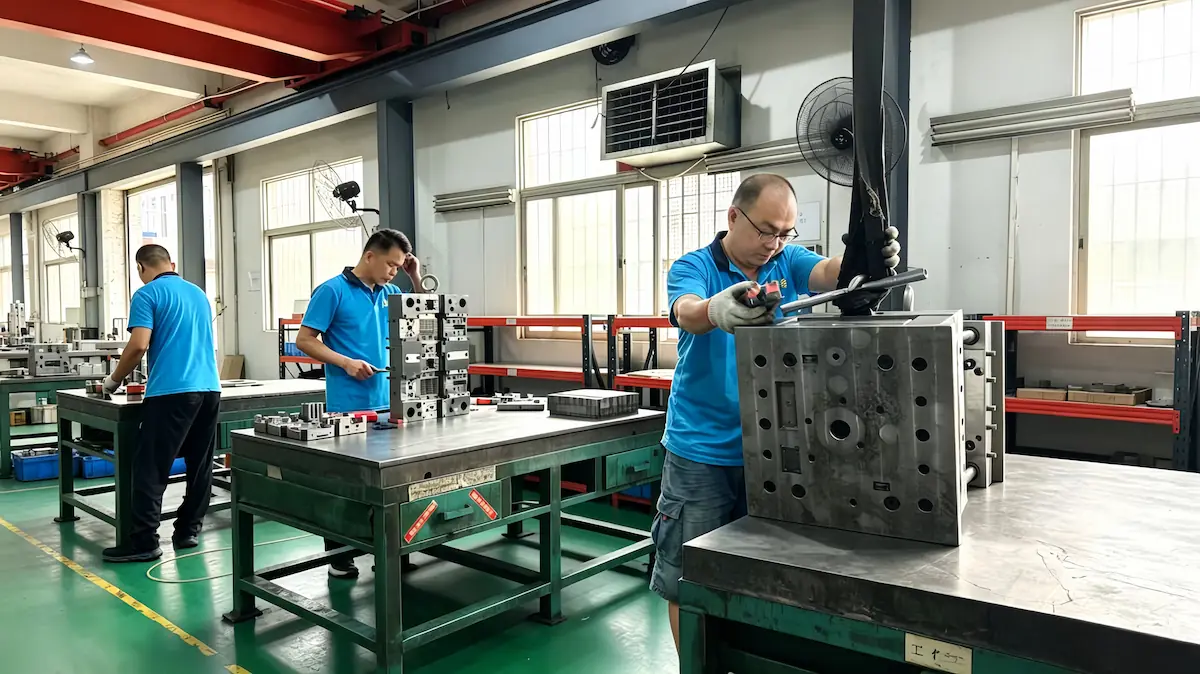
Mold Making
Custom mold design and manufacturing with optimized tooling solutions for long-lasting, high-performance production.
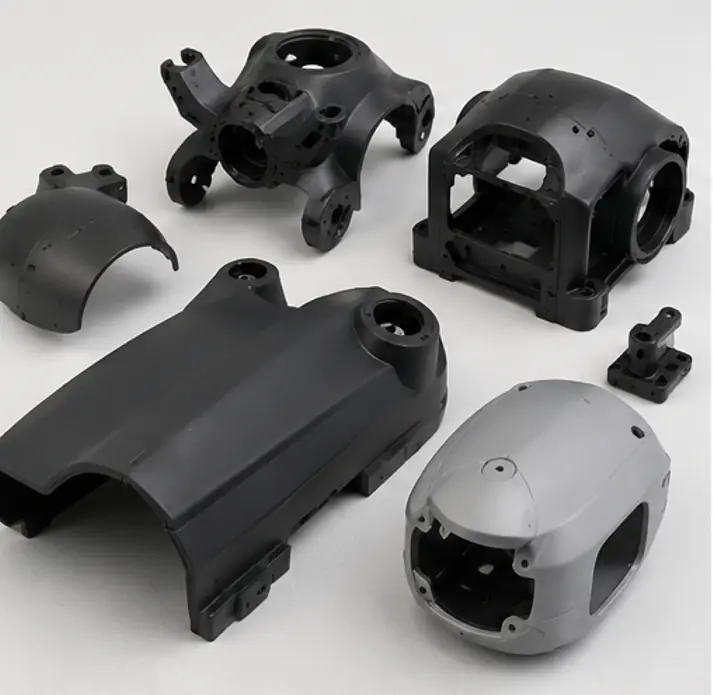
Rapid Prototyping
Accelerate product development with rapid prototyping services, including CNC machining, 3D printing, and vacuum casting.
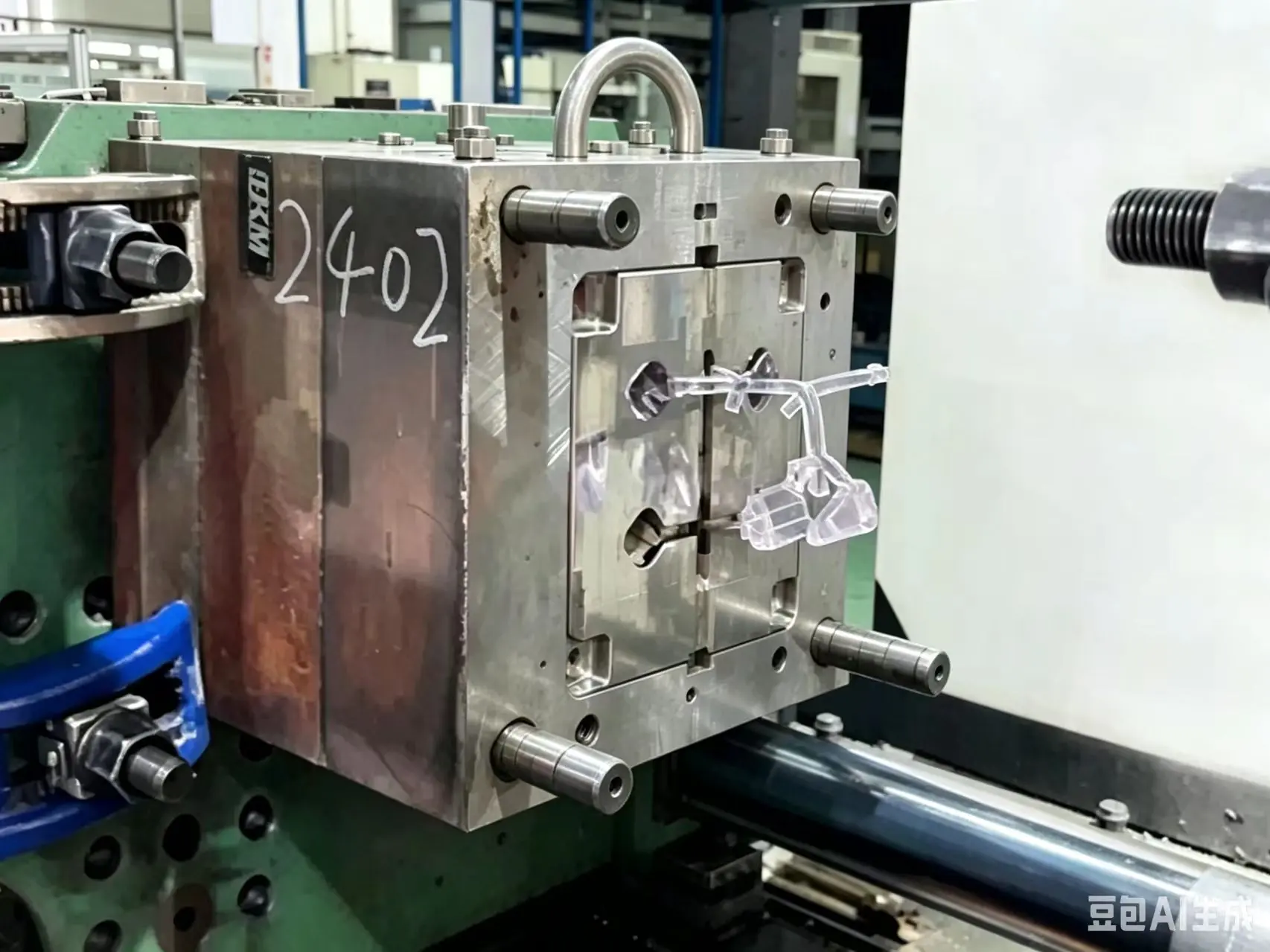
Injection Molding
Custom injection molding for prototypes and production parts, covering material selection, precision molding, quality inspection, and scalable production.
Need More Than Gas Assist Molding?
Tell us what your finished part requires. SENSES MOLD can coordinate the manufacturing process from tooling to final delivery.
Frequently Asked Questions (FAQ)
Gas assist is particularly suitable for large, thick-wall, hollow, or structural plastic components where reducing weight, material usage, or internal solid sections is important.
Nitrogen is commonly used because it is inert and suitable for creating controlled internal pressure during molding. The required gas system depends on the part, resin, mold design, and process.
Yes. The molding system needs gas injection equipment and the appropriate control system in addition to the injection molding machine and specialized mold components.
Yes. Gas-assisted molding can be used when the prototype needs to represent the final production structure or when the part geometry cannot be properly evaluated through conventional solid molding.
Gas assist can be considered for both lower-volume and mass-production projects. The appropriate tooling and automation level depends on expected annual volume, part complexity, and required production efficiency.
Mold life depends on the mold steel, part geometry, production volume, resin, molding conditions, and maintenance. The expected tool life should be evaluated when the mold specification is defined.
Sometimes, but not every mold is suitable for conversion. The mold structure, part geometry, gas entry location, material distribution, and available space for gas components must be reviewed first.
Yes. Gas-assisted parts can undergo CNC machining, trimming, drilling, surface finishing, and assembly when required. These secondary operations can be included in the manufacturing plan.
A 3D model or part drawing, material requirement, estimated production volume, and any critical performance or dimensional requirements are normally sufficient for an initial engineering and quotation review.
Yes. SENSES MOLD can coordinate mold making, gas assisted injection molding, inspection, secondary operations, and production through one manufacturing team.