Custom Welding Fixture Design & Manufacturing
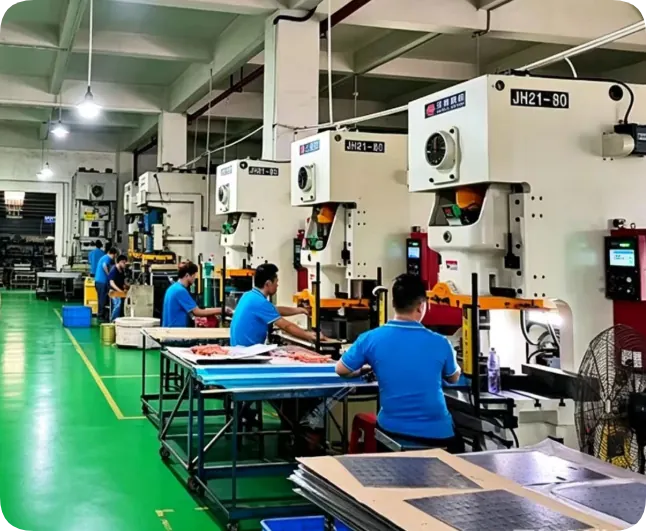
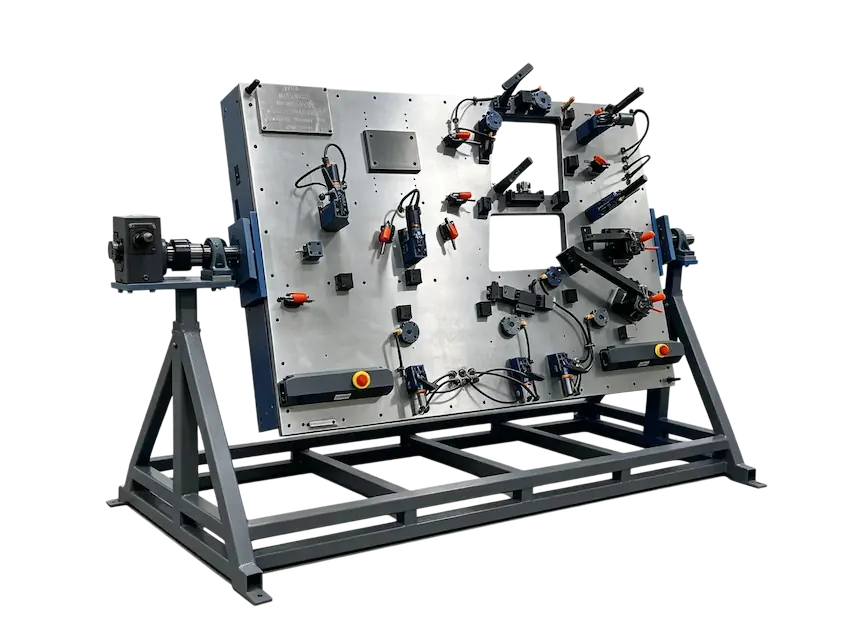
SENSES MOLD designs and manufactures custom welding fixtures for repeatable part positioning, clear weld access and practical loading and unloading. Locators and clamps are arranged around your assembly dimensions and welding sequence to help reduce repeated measuring and alignment.
Start with assembly CAD files for fixture design or approved tooling drawings for build-to-print manufacturing. We also develop welding table fixtures to match your existing table interface.
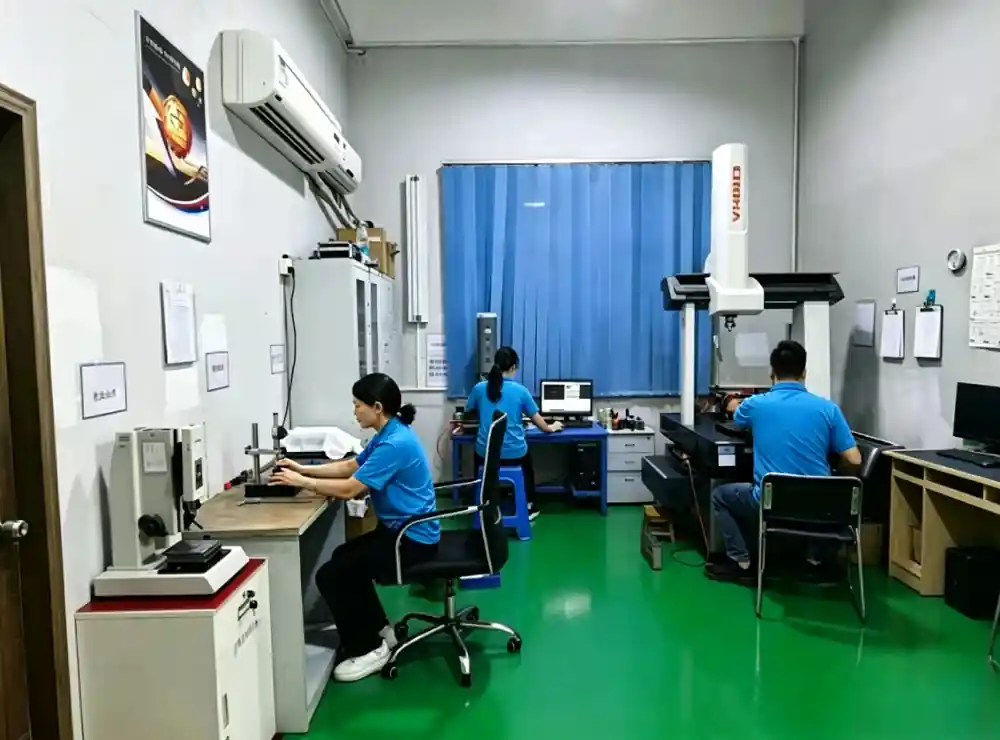
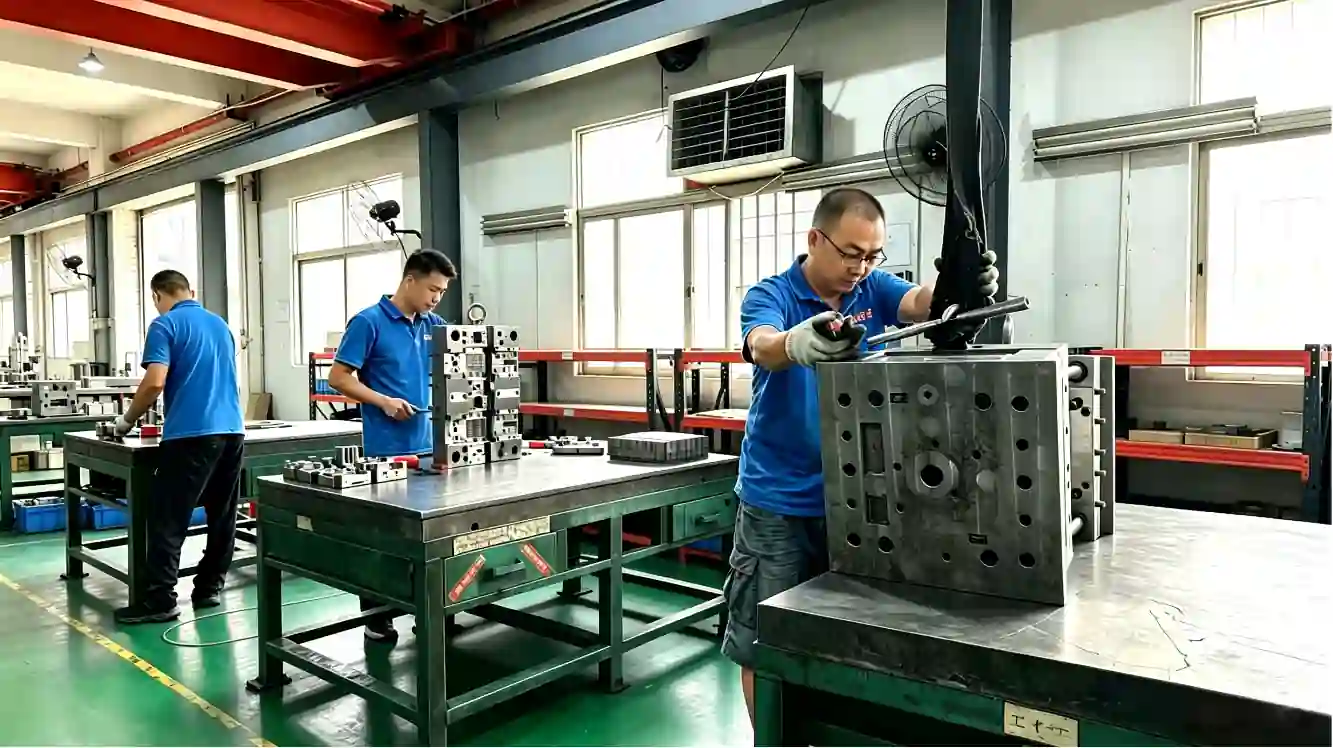
- In-House Machining, Assembly & Inspection
- One-to-One English Engineering Communication
Share your drawings, welding process and target delivery date. NDA available upon request.
- Years of Manufacturing Experience
- 20+
- Quality Management Certification
- ISO 9001:2015
- Automotive Quality Certification
- IATF 16949
- Countries Served
- 100+
Custom Welding Fixtures for Your Assemblies
From frames and pipework to sheet metal and multi-part assemblies, SENSES MOLD develops custom welding fixtures around your component geometry, critical dimensions and production requirements.
Frame Welding Fixtures
Position frame members and crossmembers to control overall dimensions, squareness and bracket locations. Supports and stops establish consistent references for fit-up and welding.
Tube and Pipe Welding Fixtures
Locate tubes, elbows, flanges and branches at the required angles and orientations. Locating features control rotation, while supports and clamps leave the weld joints accessible.
Sheet Metal Welding Fixtures
Support bent panels, enclosures and brackets around their locating features. Clamp placement accounts for thin-wall flexibility and incoming part variation to avoid forcing parts into position.
Custom Welded Assembly Fixtures
Position multiple components from shared assembly datums. The fixture layout accounts for loading order, clamp access and removal of the welded assembly, with removable locating details where needed.
Have a similar assembly? Send your drawings for a fixture review.
Welding Fixture Design for Repeatable Fit-Up
SENSES MOLD develops welding fixture layouts around your assembly datums, incoming part tolerances and welding sequence. The design considers how each component is located, clamped, welded and removed.
Reduce Repeated Measuring and Alignment
Defined locating surfaces, pins and stops establish part positions before clamping. Supports account for incoming part variation so components can seat without being forced into place.
Keep Weld Joints Accessible
Clamps and supports are positioned clear of the weld joints and planned torch path. The layout considers torch angles, clamp opening travel and robot clearance where applicable.
Account for Weld Shrinkage and Distortion
Support and restraint are planned alongside joint geometry and welding sequence. Where trial welding is included, measurements after cooling and release guide any necessary fixture adjustments.
Plan for Loading and Part Removal
The design checks the loading order and removal path of the completed assembly. Retractable or removable locating details are used where fixed features could trap the welded part.
Share your drawings and setup photos for a locating and weld-access review.
Welding Fixture Options for Your Production
Select a welding fixture configuration around your welding method, assembly sequence and access requirements. Read the middle column first to match your production need, then use the right-hand column to confirm what must be agreed before design.
| Fixture Configuration | Production Need | Key Details to Confirm |
|---|---|---|
| Fixture Configuration Manual Welding Fixtures |
Production Need
Choose this when operators load, clamp and weld at fixed working positions, and quick, unobstructed access matters more than cycle speed. |
Key Details to Confirm
|
| Fixture Configuration Tack Welding Fixtures |
Production Need
Choose this when components must be located and tacked before final welding, including transfer to a separate welding station. |
Key Details to Confirm
|
| Fixture Configuration Robotic Welding Fixtures |
Production Need
Choose this when parts repeat in volume and must be presented to a robot or cobot with a consistent, agreed mounting interface. |
Key Details to Confirm
|
| Fixture Configuration Rotating Welding Fixtures |
Production Need
Choose this when weld joints on several sides cannot be reached with the assembly held in one fixed position. |
Key Details to Confirm
|
Note: These options are not exclusive. One fixture can combine dedicated locating with manual or powered clamping and repositioning— for example a robotic fixture with a powered positioner. Fixture scope, positioner supply and automation integration are agreed separately before manufacturing.
Not sure which configuration fits your process? Send your welding method, assembly weight and target output—we will confirm the configuration and scope with you.
Custom Welding Table Fixtures for Your Existing Table
SENSES MOLD designs custom welding table fixtures around your assemblies and existing table interface. We review the mounting dimensions and available workspace before defining the fixture layout.
Confirm the Mounting Interface
Matching the hole diameter alone does not confirm compatibility. We also review hole spacing, table thickness, mounting hardware engagement and clearance around the fixture.
Choose Modular, Dedicated or Hybrid Tooling
Modular welding fixtures can be rearranged for different jobs. Dedicated fixtures provide a defined setup for repeat assemblies, while hybrid tooling combines reusable table-mounted elements with part-specific locating details.
Plan for Repeat Setups and Changeovers
Removable subplates, identified locating positions and setup references can simplify repeat installations. Critical locations should be checked after reinstallation, especially when fixtures move between tables.
What to Send for a Compatibility Review
- Table brand/model or interface drawing
- Hole diameter, spacing and table thickness
- Usable table area and existing mounting hardware
- Assembly drawings, weight and changeover needs
Send your table specifications and assembly drawings for a compatibility review.
Custom Pipe Welding Fixture Project
SENSES MOLD designed and manufactured a custom pipe welding fixture for a branched pipe assembly. The project brought component positioning, clamping and weld access into one dedicated setup.
Assembly Requirements
Position the pipe sections, elbows and branch in their required relationship, providing a common setup for fit-up and welding.
The Production Challenge
The round components needed control against unwanted rotation. Multiple joints also required access without obstructing loading, clamping or part removal.
Our Fixture Solution
We combined V-block supports, toggle clamps and adjustable locating stops on a common baseplate to support the pipes, hold the components and establish setup references.
Inspection and Validation
Key checks for this arrangement include locator positions, component fit-up, clamp contact and weld access, together with finished assembly dimensions and the unloading path.
Project Outcome
The completed fixture combined pipe support, locating and clamping in tooling tailored to the branched assembly.
Have a similar pipe assembly? Send your drawings and welding requirements.
In-House Welding Fixture Manufacturing
SENSES MOLD supports custom welding fixture projects from engineering review through precision machining, assembly, and inspection. Whether you need a complete fixture design or manufacturing from approved drawings, our team reviews locating requirements, critical dimensions, clamping arrangements, and agreed acceptance criteria to support reliable fixture production.
Design & Manufacture
Send your part CAD files, assembly drawings, and welding requirements. Our engineers develop the locating and clamping arrangement, then manufacture the approved custom welding fixture.
Build to Print
Already have an approved fixture design? Provide your welding fixture drawings and bill of materials. We review manufacturability and build the fixture to the agreed specifications.
Design and Manufacturing Under One Roof
Our engineering and manufacturing teams coordinate drawing reviews, machining requirements, and fixture assembly. Whether working from a new fixture concept or an approved design, we review critical dimensions, locating features, and acceptance requirements before manufacturing.
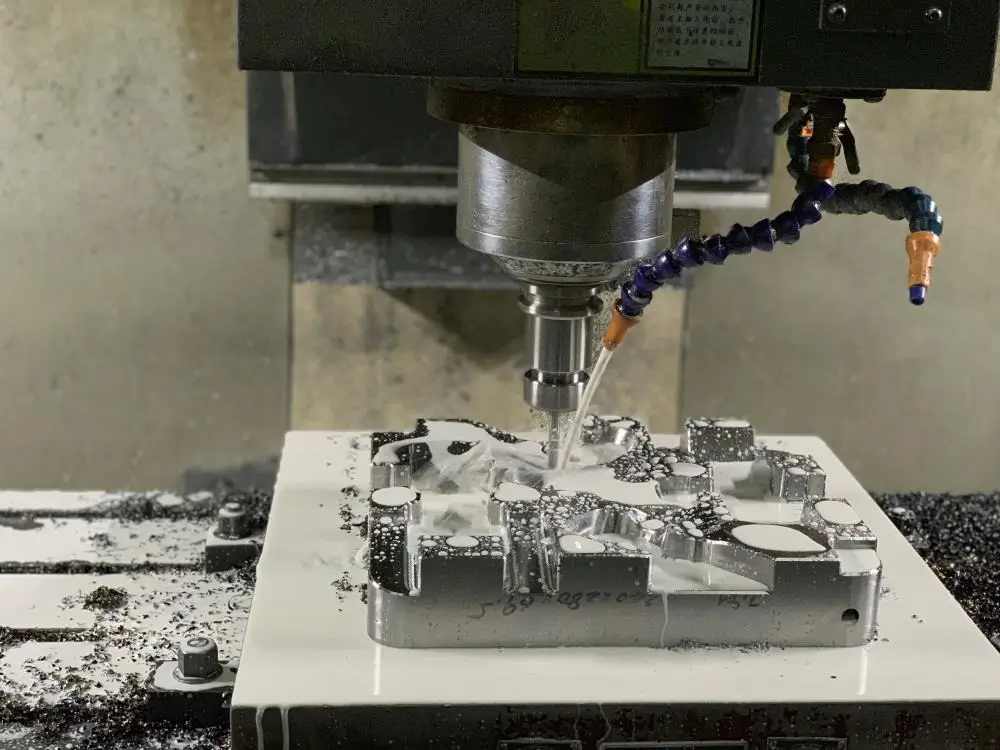
Baseplates, Locators and Supports Machined In-House
Baseplates, locating blocks, V-blocks, support pads, and mounting plates are manufactured using our CNC machining equipment. Critical datum surfaces, hole positions, and mating features are checked against the approved drawings.
Replaceable Wear Parts and Accessible Fasteners
Locating pins, support pads, and clamps can wear during repeated production cycles. Where required, fixtures can incorporate replaceable components and accessible fasteners to simplify maintenance and reduce the need for major rework.
Inspection Records That Travel With the Fixture
Agreed inspection records and setup references can accompany the completed welding fixture. Depending on project scope, deliverables may include dimensional reports, sample-part trial results, component identification, and spare parts information.
Send your assembly drawings or approved welding fixture design for an engineering and manufacturing review.
Welding Fixture Inspection & Acceptance
SENSES MOLD plans welding fixture inspection against approved drawings and agreed acceptance criteria. Measurement methods, sample-part trials and any trial welding are defined before verification begins.
Critical Fixture Dimensions
Check datum surfaces, locator positions, support heights and mounting interfaces against approved drawings. Measurement methods are selected to suit feature access and the specified tolerances.
Fit-Up & Repeatable Positioning
Agreed sample-part trials check seating, joint gaps, clamping and release. Where specified, repeated loading cycles assess positioning variation at agreed measurement points, with incoming part variation considered separately.
Trial Welding Where Specified
When included in the project scope, trial welding uses the agreed process and sequence. Assembly dimensions are checked after cooling and release to identify any required fixture or process adjustments.
Acceptance Records
The agreed welding fixture inspection report identifies checked features, acceptance limits and results. Additional records cover functional checks and welding trials where included in the acceptance scope.
Share your critical dimensions and acceptance requirements before we quote.
Welding Fixtures Materials
Welding fixtures are typically manufactured using a combination of materials to balance structural rigidity, positioning accuracy, wear resistance, weight, and cost. At SENSES MOLD, material selection considers fixture design, clamping requirements, welding heat exposure, and production volume.
| Material | Typical Components | Key Considerations |
|---|---|---|
| Carbon Steel | Base plates, structural frames, mounting brackets, and supports. | Good rigidity, weldability, and cost efficiency. |
| Alloy Steel | Locating pins, precision shafts, bushings, and high-load parts. | Strength and wear resistance with suitable heat treatment. |
| Stainless Steel | Corrosion-resistant supports and specialized components. | Corrosion resistance for demanding environments. |
| Aluminum Alloy | Lightweight bases, adjustable brackets, and removable parts. | Lower weight; stiffness and thermal expansion need review. |
| Hardened Tool Steel | Wear plates, locating inserts, and high-contact surfaces. | Improved wear performance; higher processing cost. |
Materials and precision components used in custom welding fixture manufacturing.
Engineering Note
Material hardness alone does not determine welding fixture accuracy. Datum design, locating geometry, clamping sequence, structural stiffness, and manufacturing tolerances also influence repeatability. Replaceable locating pins and wear inserts can simplify maintenance in high-cycle applications.
Need Help Selecting Welding Fixture Materials?
Share your drawings, welding process, and production requirements for an engineering review.
Welding Fixtures for Different Industries
SENSES MOLD supports custom welding fixture design and manufacturing for different industrial applications. From automotive components and sheet metal assemblies to industrial machinery, robotic welding, and tubular structures, our fixture solutions are developed around part geometry, positioning accuracy, clamping requirements, and production needs.
Automotive & Transportation
Chassis parts, brackets, exhaust assemblies, and welded frames.
Sheet Metal Fabrication
Metal enclosures, cabinets, brackets, and sheet assemblies.
Industrial Machinery & Equipment
Machine frames, structural supports, and equipment housings.
Robotic Welding & Automation
Automated welding cells and repeatable production assemblies.
Tube, Pipe & Structural Fabrication
Tubular frames, pipe assemblies, and welded structures.
Need a Custom Welding Fixture for Your Application?
Share your drawings and welding requirements for an engineering review.
Custom Welding Fixture Cost and Lead Time
Welding fixture pricing and manufacturing lead time depend on part geometry, fixture complexity, materials, accuracy requirements, and production needs. Explore typical cost ranges and the factors that influence your project quotation.
Typical Welding Fixture Price & Lead Time
The following reference ranges help estimate initial project budgets and manufacturing schedules. Final pricing is based on the approved fixture specifications.
| Welding Fixture Type | Estimated Cost (USD) | Lead Time |
|---|---|---|
| Simple Welding Fixture Basic positioning, manual clamping, and straightforward welded assemblies. | $200–$1,000 | 1–3 Weeks |
| Multi-Component Welding Fixture Multiple locating points, custom supports, adjustable clamps, and assembly positioning. | $1,000–$10,000+ | 3–5 Weeks |
| Complex or Automated Fixture Complex assemblies, advanced clamping, automation interfaces, or specialized validation. | Project-Specific Quote | 5+ Weeks |
What Affects Welding Fixture Cost?
Each custom fixture is evaluated according to its design, manufacturing and application requirements.
Part Geometry & Complexity
Complex assemblies, multiple locating points and difficult access areas require more design and machining work.
Materials & Components
Steel or aluminium structures, locating pins, clamps, supports and purchased components all influence the total.
Accuracy & Repeatability
Tight positioning tolerances increase machining, assembly and inspection time, and may call for grinding.
Clamping & Automation
Manual, pneumatic, hydraulic or automated clamping differs in component cost, integration and verification.
Quantity & Validation
Fixture quantity, inspection scope, trial fitting and production validation also affect the final quotation.
What Affects Welding Fixture Lead Time?
Build time is counted from design approval and order release, not from the enquiry date. These five factors decide how long the fixture occupies our shop floor.
Design Approval Cycle
Layout review, drawing questions and sign-off sit before any machining. A slow approval loop delays the whole project more than shop-floor work does.
Purchased Component Availability
Toggle clamps, pneumatic cylinders, locating pins or specific brand hardware may carry their own delivery time, especially non-standard items.
Machining Volume & Complexity
Large baseplates, many locating blocks or tight-tolerance bores add machining hours, heat treatment and grinding steps.
Sample Parts & Trial Welding
Receiving sample parts, fitting them and running a trial weld adds scheduled time, but often removes a later round of adjustments.
Inspection & Documentation Scope
Full CMM reports, material certificates, extra inspection points or third-party witness checks extend the release stage.
Need a Quote for Your Welding Fixture?
Share your part drawings, assembly requirements, production volume, and fixture specifications. Our engineering team will review your project and provide a quotation and estimated lead time.
Welding Fixture Guides from a Manufacturer’s Perspective
Drawing on SENSES MOLD’s design, machining, assembly and inspection experience, our knowledge center focuses on comparing fixture options, resolving production problems and preparing clearer purchasing requirements.
Understanding & Selection
Choose a fixture approach that fits your parts, production volume and changeover needs.
- Types of Welding Fixtures: Applications and Selection Guide
- Modular vs. Dedicated Welding Fixtures: Which Fits Your Production?
- Welding Fixtures vs. Welding Table Fixtures: What Do You Actually Need?
- Custom vs. Standard Welding Fixtures: When Is Custom Tooling Worth It?
Design & Workholding
Review locating, clamping and weld access before manufacturing the fixture.
- Welding Fixture Design Checklist: 10 Checks Before Manufacturing
- How to Locate Round Tubes and Control Their Angular Orientation
- Why Parts Move During Tack Welding—and What to Check First
- How to Keep Clamps and Supports Clear of Weld Joints
Table & Equipment Compatibility
Define the interfaces between your fixture, welding table, positioner and robot cell.
- 16 mm vs. 28 mm Welding Table Systems: What Fixture Buyers Should Check
- Welding Table Fixture Compatibility Checklist: Beyond Hole Diameter
- Manual Rollover Fixture vs. Powered Welding Positioner: How to Choose
- Robotic Welding Fixture Requirements: What to Confirm with Your Integrator
Materials & Maintenance
Compare materials and components with wear, replacement and maintenance in mind.
- Steel vs. Aluminum Welding Fixture Bases: How to Choose
- Manual vs. Pneumatic Clamps for Welding Fixtures
- How to Manage Weld Spatter on Locators, Supports and Clamps
- Replace, Repair or Rebuild? A Guide to Worn Welding Fixtures
Inspection & Validation
Separate fixture performance from part variation and agree on meaningful acceptance checks.
- Fixture Accuracy vs. Welded Assembly Accuracy: What Is the Difference?
- How to Test Welding Fixture Repeatability
- Welding Fixture or Part Variation? How to Investigate Fit-Up Problems
- Welding Fixture Acceptance Checklist: What to Verify Before Shipment
Cost & Supplier Evaluation
Prepare comparable quotations and clarify engineering scope before placing an order.
- How Much Does a Custom Welding Fixture Cost? A Buyer’s Budget Guide
- Build-to-Print vs. Design-and-Build Welding Fixtures: Scope, Cost and Responsibility
- 10 Questions to Ask a Welding Fixture Manufacturer Before Ordering
- Welding Fixture RFQ Checklist: Drawings, Samples and Acceptance Requirements
Need help applying these ideas to your fixture project?
Related Manufacturing Services
Custom welding fixtures often require more than fixture assembly. Precision CNC machining, custom tooling, stamped metal components, and prototype validation can all support the development of reliable welding fixtures and production-ready welded assemblies. SENSES MOLD provides complementary manufacturing capabilities to support fixture design, component manufacturing, assembly, and project-specific production requirements.
Jigs & Fixtures
Custom workholding, assembly, inspection, and manufacturing fixtures designed around part geometry and production needs.
EXPLORE JIGS & FIXTURES →
CNC Machining
Precision machining for fixture bases, locating blocks, mounting plates, bushings, and other critical tooling parts.
EXPLORE CNC MACHINING →
Metal Stamping
Stamping dies and metal forming solutions for brackets, sheet metal parts, and components used in welded assemblies.
EXPLORE METAL STAMPING →
Rapid Prototyping
Prototype parts and early-stage manufacturing support for checking fit, geometry, and assembly requirements.
EXPLORE PROTOTYPING →
Mold Making
Custom mold and tooling manufacturing supported by engineering, precision machining, assembly, and inspection.
EXPLORE MOLD MAKING →Need More Than a Custom Welding Fixture?
Share your CAD drawings and project requirements. Our engineering team can review fixture design, precision components, and related manufacturing needs.
Frequently Asked Questions About Custom Welding Fixtures
Find answers about fixture compatibility, accuracy, sample parts, order quantity and ongoing support.
Are welding fixtures and table fixtures the same?
No — table fixtures are one type of welding fixture. Welding fixtures is the broader term for tooling that locates and holds parts during welding. Welding table fixtures are configured for use on a welding table, while a dedicated fixture may instead use its own baseplate or mount to a positioner or robotic cell.
Can you design a fixture from our part drawings?
Yes. SENSES MOLD can develop the fixture from your assembly CAD files and part drawings, together with the critical dimensions, welding requirements and mounting details. If you already have an approved fixture design, we can manufacture to that design instead.
Will the fixture fit our existing welding table?
It has to be checked before design, not assumed from the hole diameter. Hole spacing, table thickness, mounting hardware and available clearance also matter. Send the table model or interface drawing for a compatibility review.
What fixture accuracy can you achieve?
Tolerances are defined per locating feature, not applied as one blanket figure. After drawing review we agree the critical relationships, the inspection method and the acceptance criteria. Fixture accuracy and welded assembly accuracy are separate requirements and are verified separately.
Can a fixture eliminate welding distortion?
No, but it can control where distortion goes. A fixture supports positioning and restrains movement; material, joint preparation, heat input and welding sequence still affect the result. Where trial welding is included, measurements after cooling and release show whether adjustment is needed.
Do you need sample parts before manufacturing?
Not to start, but they help before you accept. With complete drawings, design and machining can begin without samples. Representative parts are still valuable for checking seating, joint gaps, clamp access and removal, and are agreed according to the validation scope.
Can one fixture accommodate several part variants?
Sometimes — it depends how close the variants are. Adjustable details or interchangeable locators can cover parts sharing common datums and similar geometry. Larger differences usually justify separate fixtures. Send the drawings for each variant and we will review adjustment range, changeover and the risk of incorrect loading.
Can worn parts be replaced or the fixture modified?
Yes, and replaceable wear details can be designed in from the start. Locators, support pads and clamps can all be made replaceable. For replacement parts or modifications, send the fixture drawing revision, component identification and the details of the change; critical locating positions are rechecked afterwards.
Are the robot and programming included?
Not automatically — the fixture is only the part-holding tooling. Robot supply, welding equipment, positioners, programming, controls and system integration are quoted separately. Interfaces and responsibilities are agreed with your automation team.
Can you supply just one custom welding fixture?
Yes, single units are accepted. We review the design, purchased components and validation scope before confirming acceptance, price and lead time. If duplicate fixtures are likely later, mention it during the initial drawing review.
Have questions about your welding fixture project?