
Custom Insert Molding Services
Produce stronger, more reliable plastic components by molding metal inserts directly into engineered plastics. SENSES MOLD provides complete insert molding solutions—from DFM analysis and precision mold manufacturing to injection molding, secondary operations, and high-volume production.
20+ Years | ISO9001 | IATF16949 | Prototype to Production
Strong Bonding | Lower Assembly Cost | Tight Tolerance | One-stop Manufacturing

Insert Molding: Integrating Plastic and Metal into One Reliable Component
What Is Insert Molding?
In many products, plastic parts need to work together with threaded inserts, electrical contacts, pins, bushings, or other metal components. Traditional assembly requires multiple manufacturing steps, increases labor costs, and introduces the risk of loose or misaligned parts over time.
Insert molding solves this problem by placing the insert directly into the mold before injection. As the molten plastic flows around the insert and solidifies, both materials become a single finished component in one molding cycle. This approach reduces assembly operations while improving structural strength, dimensional stability, and long-term product reliability.
At SENSES MOLD, insert molding is more than simply placing a metal insert into a mold. Every successful project starts with engineering considerations such as insert geometry, resin selection, gate location, mold temperature, shrinkage control, and insert positioning. These factors directly affect bonding strength, dimensional accuracy, and production consistency, especially for high-volume manufacturing.


Why Choose Injection Insert Molding?
- Reduce Assembly Operations
Metal inserts are molded directly into the plastic component, eliminating secondary fastening or assembly processes.
- Improve Mechanical Strength
The molded-in insert provides excellent pull-out resistance and long-term durability under repeated loading.
- Increase Product Reliability
Fewer assembled components mean fewer failure points and more consistent product performance.
- Support Complex Product Designs
Integrate multiple functions into a single molded part while reducing overall component count.
- Improve Production Efficiency
A single molding cycle replaces multiple manufacturing and assembly steps, improving throughput and consistency.
- Lower Total Manufacturing Cost
Reduced labor, simplified assembly, and fewer individual parts help decrease the overall cost of production.
Not Sure If Insert Molding Is Right for Your Product?
Every product has different performance, material, and assembly requirements. Our engineering team can evaluate your design, recommend the most suitable manufacturing approach, and help determine whether insert molding is the right solution for your application.
Our Insert Molding Manufacturing Process
From Insert Design Review to Mass Production, We Control Every Step
A successful insert molding process depends on much more than placing an insert into a mold. The position of the insert, mold design, plastic material behavior, and injection parameters all directly affect the final part quality.
At SENSES MOLD, we manage the complete insert molding manufacturing process in-house, including DFM analysis, tooling development, injection molding, inspection, and production validation. Our engineering team works closely with customers to identify potential risks early and build a stable manufacturing process before mass production begins.
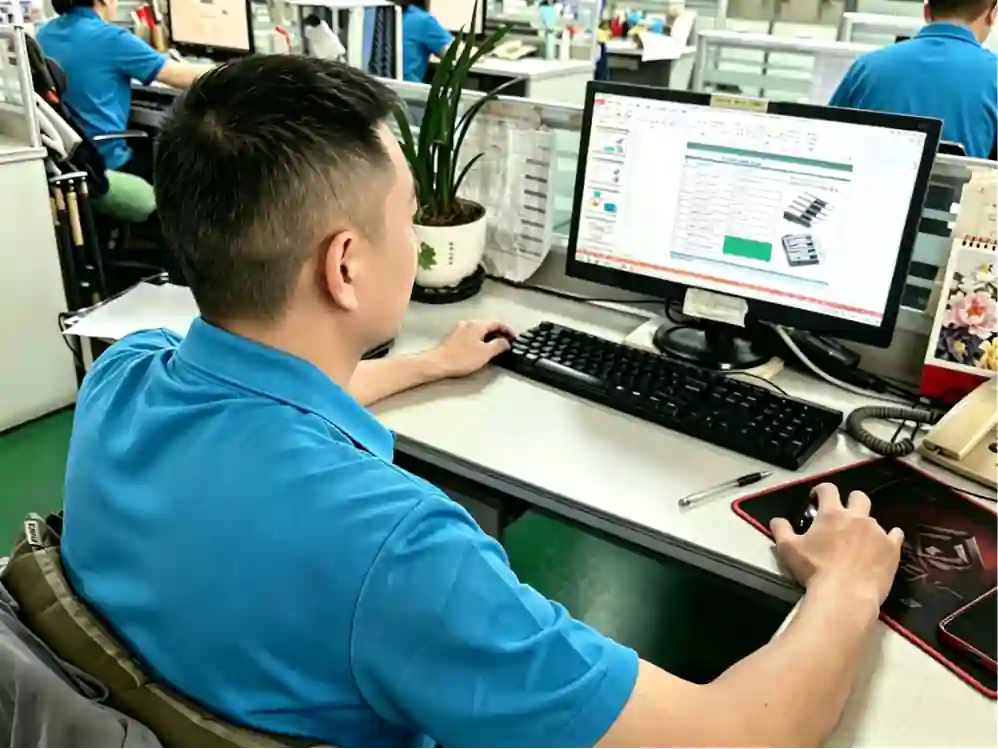
1. Design Review & DFM Analysis
Every insert molding project starts with engineering evaluation before tooling development. Our team reviews:
- Insert geometry and positioning requirements
- Plastic wall thickness around inserts
- Material compatibility
- Shrinkage and warpage risks
- Gate location and material flow
- Production feasibility
Early DFM analysis helps prevent common problems such as insert movement, weak bonding, and dimensional variation.

2. Insert Design & Material Selection
The insert design has a direct impact on molding reliability and product performance. Our engineers evaluate:
- Insert type and application requirements
- Thread design and retention features
- Surface treatment requirements
- Thermal expansion differences between insert and plastic
- Final assembly requirements
Proper insert selection helps achieve stronger retention and more stable production results.

3. Insert Molding Tool Design & Manufacturing
The tooling design determines the accuracy and repeatability of the entire insert injection molding process. Key considerations include:
- Precision insert locating structure
- Insert holding mechanism
- Mold cooling design
- Venting system
- Ejection method
- Mold durability requirements
A well-designed insert molding tool ensures the insert remains accurately positioned throughout the injection cycle.

4. Insert Loading & Plastic Injection
During production, inserts are placed into the mold cavity before injection. Depending on production requirements, SENSES MOLD supports:
- Manual insert loading for prototypes and low-volume production
- Fixture-assisted loading for improved consistency
- Automated insert loading for high-volume manufacturing
For injection molding with metal inserts, controlling injection pressure, temperature, and cooling conditions is critical to achieving stable quality.
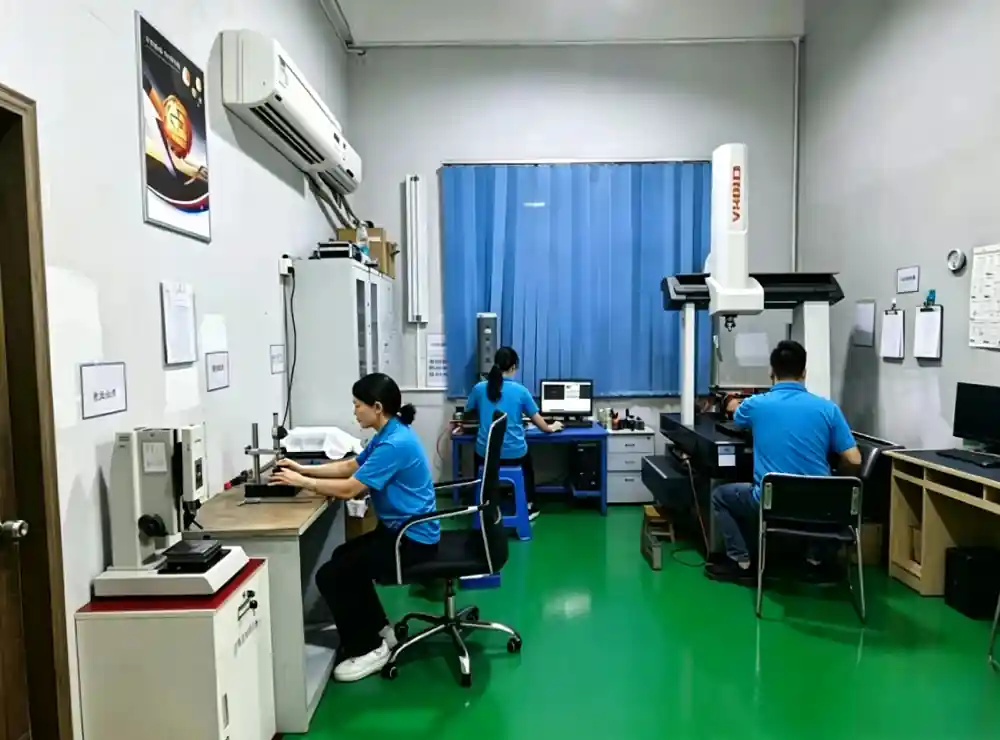
5. Quality Inspection & Process Validation
Before mass production, each project undergoes production validation to confirm performance and consistency. Inspection includes:
- Insert position verification
- Dimensional inspection
- Appearance inspection
- Functional testing
- Assembly validation
Our quality control process helps ensure every insert molded part meets customer specifications.

6. Mass Production & Continuous Improvement
After validation approval, the project moves into stable insert molding production. SENSES MOLD supports:
- Production monitoring
- Process optimization
- Quality control
- Secondary operations
- Final assembly
With tooling and injection molding capabilities under one roof, we help customers move from prototype development to reliable long-term production.
Need Support With Your Insert Molding Project? Facing Insert Positioning, Bonding, or Production Challenges?
Small details in insert design and tooling can create major manufacturing issues later. Share your drawings with our engineering team and we can help identify potential risks before production starts.
Insert Types for Custom Insert Molding We Support
From Threaded Inserts to Custom Metal Components, We Mold a Wide Range of Inserts Into Plastic Parts
Not all inserts are designed for the same purpose. The right insert selection depends on the required function, load conditions, assembly method, and product environment. At SENSES MOLD, we support a wide range of insert molding solutions, from standard threaded fasteners to custom-engineered metal and functional inserts.

Metal Threaded Inserts
For plastic parts that require repeated assembly or fastening, threaded inserts provide a durable alternative to molded plastic threads.
Common solutions include:
- Brass threaded inserts
- Heat set inserts
- Knurled inserts
- Stainless steel threaded inserts
Typical applications:
- Plastic housings
- Electronic enclosures
- Industrial assemblies
- Consumer products
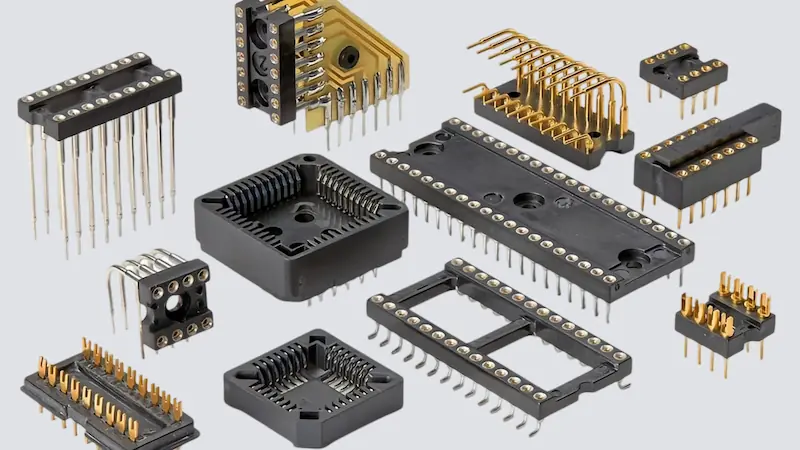
Electrical & Conductive Inserts
When plastic components require electrical functionality, conductive inserts can be molded directly into the part.
Common inserts:
- Copper contacts
- Electrical terminals
- Connector pins
- PCB-related inserts
Used in:
- Electrical connectors
- Sensors
- Electronic components
- Power devices

Structural & Mechanical Inserts
For applications requiring additional strength or reinforcement, structural inserts help improve load performance and durability.
Examples:
- Steel inserts
- Stainless steel inserts
- Bushings
- Sleeves
- Shafts
Common applications:
- Automotive components
- Industrial equipment
- Heavy-duty plastic assemblies

Functional Inserts
Some products require inserts that provide additional functions beyond fastening or reinforcement.
Examples:
- Magnet inserts
- Ceramic inserts
- Custom precision inserts
Applications:
- Positioning systems
- Medical devices
- Specialty electronic products
Can’t Find Your Insert Type Listed Above?
Not every insert application uses a standard solution. If you need a specific metal insert, custom component, or special insert design that is not shown above, our engineering team can help evaluate your requirements and develop a suitable insert molding solution.
Insert Molding Material We Support
Selecting the Right Plastic Material for Strength, Performance, and Long-Term Reliability
Material selection plays an important role in insert molding performance. The right plastic resin affects insert retention, dimensional stability, mechanical strength, temperature resistance, and long-term reliability.
At SENSES MOLD, we support a wide range of plastic insert molding applications using standard thermoplastics, engineering plastics, and soft materials. Our engineering team evaluates your product requirements and recommends the right material combination before tooling begins.


Standard Materials
Standard thermoplastics are commonly used for cost-effective insert molding applications requiring balanced mechanical performance, appearance, and production efficiency. Supported materials include:
- ABS
- PC
- PC/ABS
- PP
- PA6
- PA66
- PBT
These materials are widely used for:
- Electronic housings
- Consumer products
- Industrial covers
- Automotive plastic components
- General mechanical assemblies
Engineering Materials
Engineering plastics are selected for applications requiring higher strength, temperature resistance, wear resistance, or dimensional accuracy. Supported materials include:
- Glass Nylon
- POM
- PPS
- PEEK
- LCP
These materials are commonly used for:
- Automotive components
- Precision mechanical parts
- Electrical connectors
- Industrial equipment
- High-performance plastic components
Soft Materials
Soft materials are used when products require flexibility, sealing, vibration absorption, or improved user experience. Supported materials include:
- TPU
- TPE
- Silicone
Typical applications include:
- Soft-touch grips
- Protective covers
- Sealing components
- Wearable products
- Medical and consumer applications
Need Help Selecting the Right Material?
The best material depends on more than resin properties. Insert design, operating conditions, mechanical requirements, and production volume all affect final performance. Share your product requirements with our engineering team. We can help evaluate material selection and develop a reliable insert molding solution before tooling begins.
Insert Molding Design Guidelines
Engineering Principles for Stronger, More Reliable Insert Molded Parts
A successful insert molding design requires careful consideration of insert structure, plastic behavior, tooling accuracy, and production requirements. At SENSES MOLD, our engineering team reviews each project before tooling begins to identify potential risks and optimize the design for stable production.
Key Design Considerations for Insert Molding
Insert Positioning
The insert must remain accurately positioned during the injection process and maintain strong mechanical retention after molding. Our engineers evaluate:
- Insert location and orientation
- Retention features
- Knurling or locking structures
- Plastic engagement area
Proper insert retention design helps prevent:
- Insert movement
- Loose connections
- Reduced pull-out strength
Plastic Thickness & Stress Control
The plastic surrounding the insert directly affects part strength and long-term reliability. During insert molding design, we analyze:
- Wall thickness around inserts
- Material flow behavior
- Shrinkage effects
- Stress concentration areas
Proper design helps reduce:
- Cracking
- Internal stress
- Insert loosening
- Dimensional variation
Insert Molding Tolerance & Tool
Precision control is essential for applications requiring accurate assembly and consistent production. Our insert molding tooling and tool design process focuses on:
- Insert positioning accuracy
- Mold cavity precision
- Cooling system design
- Ejection reliability
By considering insert molding tolerances during the design stage, we help ensure stable production performance.
Material Compatibility & Production
The interaction between the insert and plastic material has a direct impact on final part performance. Our engineers evaluate:
- Insert material compatibility
- Plastic shrinkage characteristics
- Operating temperature
- Mechanical requirements
This helps prevent common insert molding defects and improves the reliability of the finished component.
Need Design Support Before Tooling?
Unsure If Your Insert Design Is Ready for Production?
Many insert molding issues are created before the first mold is built. Share your CAD files with our engineering team and we can review your design, identify potential risks, and recommend practical improvements before tooling investment.
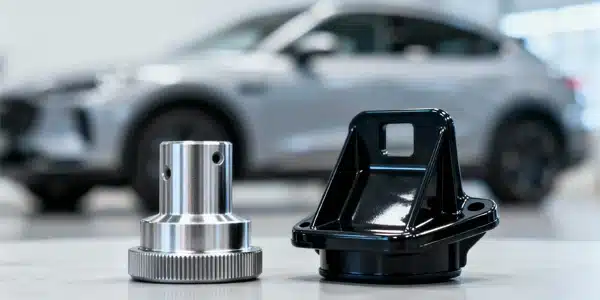
Automotive
Insert molded components for connectors, sensors, switches, and functional plastic parts.
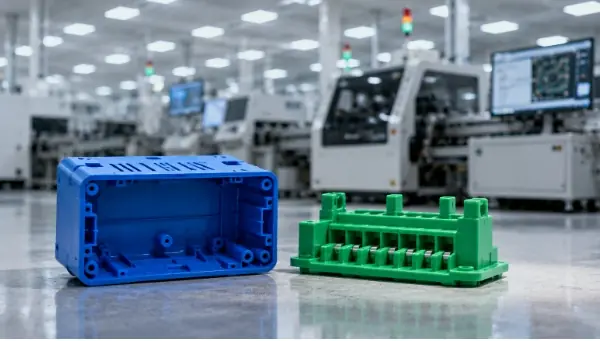
Electronics
Plastic parts with embedded terminals, contacts, PCB components, and electrical inserts.
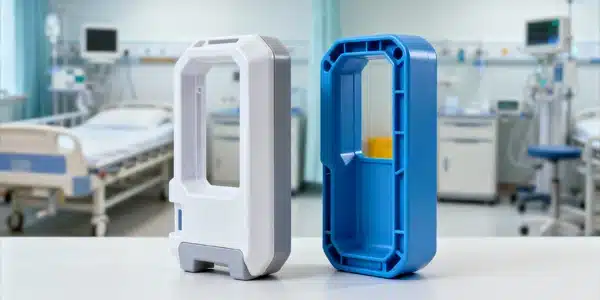
Medical Devices
Precision insert molded components requiring dimensional stability and reliable performance.
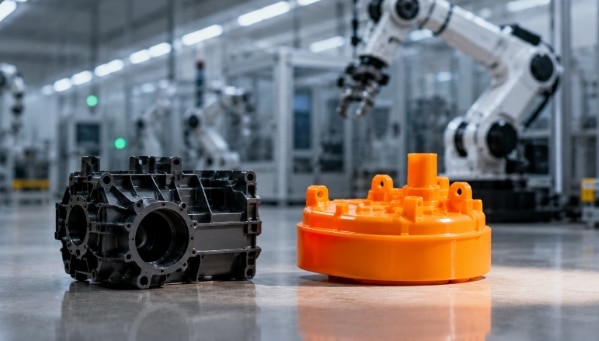
Industrial Equipment
Durable plastic components with metal inserts for mechanical strength and assembly efficiency.
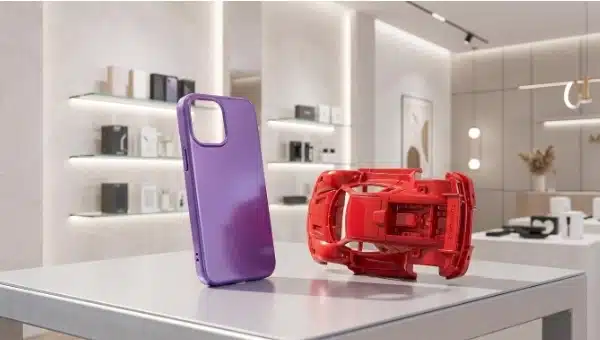
Consumer Products
Insert molded components for connectors, sensors, switches, and functional plastic parts.
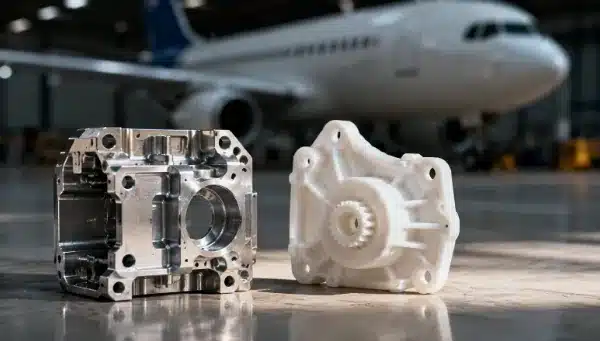
Aerospace
High-performance insert molded parts requiring lightweight design and consistent quality.
Insert Molding Applications
Supporting Diverse Industries with Custom Insert Molding Solutions
Insert molding is widely used across industries where plastic components need integrated metal inserts, improved strength, reduced assembly steps, or enhanced product reliability.
SENSES MOLD provides custom insert molding solutions for prototype and mass production applications across automotive, electronics, medical, industrial, and consumer markets.
Don’t See Your Industry or Product Listed?
Insert molding can be customized for many applications beyond standard industries. Share your product requirements with our engineering team, and we can evaluate your design, materials, and manufacturing approach.
Our Insert Molding Capabilities
Technical Specifications for Custom Insert Molded Parts
SENSES MOLD provides custom insert molding services for plastic components integrated with metal inserts, supporting prototype development, tooling validation, and production manufacturing. The following are general insert molding capability guidelines:
| Standards | Description |
|---|---|
| Injection Molding Machine Range | 50T – 1,200T |
| Production Capability | Prototype, low-volume production, and mass production |
| Maximum Part Size | Up to 800 × 800 × 400 mm |
| Minimum Part Size | Down to 1 × 1 × 0.2 mm |
| Plastic Wall Thickness | 0.3 – 10.0 mm |
| Injection Molding Tolerance | ±0.020 mm |
| Insert Types | Threaded inserts, brass inserts, stainless steel inserts, aluminum inserts, copper inserts, custom metal inserts |
| Insert Materials | Brass, stainless steel, steel, aluminum, copper |
| Plastic Materials | ABS, PC, PC/ABS, PP, PA6, PA66, PBT, POM, PPS, PEEK, LCP, TPU, TPE, Silicone |
| Mold Validation | T0, T1, T2 sampling before mass production |
| Quality System | ISO 9001 certified & IATF 16949 |
| Inspection Capability | CMM, 2.5D optical inspection, dimensional measurement |
| Lead Time | Mold development and samples: 15–45 working days |
Need to Confirm Your Insert Molding Requirements?
Have a Part Drawing or Insert Specification?
Share your design with our engineering team. We can evaluate whether your insert size, material, tolerance, and production requirements are suitable for insert molding.
Insert Molding Quality Control & Validation
Ensuring Consistent Quality From First Trial to Mass Production
Insert molding requires precise control of insert position, plastic flow, and dimensional accuracy. SENSES MOLD applies systematic inspection and validation methods to ensure stable production performance.

Mold Trial Validation
Before mass production, we verify:
- Insert location and orientation
- Mold filling performance
- Part appearance
- Critical dimensions
Supporting:
- T0 sample review
- T1/T2 optimization
- Production approval

Material & Process Verification
Before mass production, we verify:
- Plastic material selection
- Molding parameters
- Shrinkage behavior
- Process stability
Supporting:
- Variation between batches
- Assembly issues
- Quality risks
Dimensional Inspection
Before mass production, we verify:
- CMM measurement
- 2.5D optical inspection
- Dimensional inspection tools
Used to verify:
- Insert location
- Part consistency
- Assembly dimensions

Production Quality Control
During production, we focus on:
- Process monitoring
- Appearance inspection
- Dimensional checks
- 100% inspection before shipment
This helps ensure:
- Stable production quality
- Reduced assembly issues
- Reliable long-term supply
Need Reliable Insert Molded Parts?
Share your design with our engineering team. We can evaluate whether your insert size, material, tolerance, and production requirements are suitable for insert molding.
Why Choose Senses Mold As Insert Molding Supplier?
A Manufacturing Partner Focused on Insert Reliability, Tooling Accuracy, and Production Stability
Choosing the right insert molding supplier requires more than injection molding capability. It requires experience in insert design, tooling development, material compatibility, and production control.
At Senses Mold, we help OEMs develop reliable insert molded components by combining mold making expertise, injection molding experience, and engineering support from prototype validation to mass production.

Engineering Support Before Tooling Starts
Our engineers review your insert design, material selection, and molding feasibility before tooling begins. Helping reduce design changes and improve first trial success.
English Engineering Communication
Clear technical communication is essential for successful insert molding projects. Our engineering team communicates directly with customers in English throughout the project, from design review and quotation to tooling development and mass production.
Tooling & Production Under One Roof
With in-house mold manufacturing and insert molding production, we maintain better control over tooling accuracy and production consistency.
Experience With Complex Insert Applications
We support various insert molding requirements, Helping achieve reliable assembly performance and long-term product durability.
Flexible Production From Prototype to Mass Manufacturing
Whether you need prototype validation, small-batch production, or high-volume manufacturing, Senses Mold provides scalable insert molding solutions.
Consistent Quality Control
Every insert molding project follows controlled inspection and manufacturing processes to maintain stable production quality.
Delivered for Global OEM Customers
Injection Molding Machine Capacity
Quality Management
Precision Molding Capability
Tooling & Plastic Manufacturing Experience
Looking for a Reliable Insert Molding Supplier?
Whether you need threaded inserts, metal insert molding, or custom insert molded components, our engineering team can help review your design and provide practical manufacturing solutions.
Insert Molding Engineering Insights
Practical Experience Sharing From Design to Production
With years of experience in insert molding manufacturing, our engineering team shares practical insights on part design, material selection, insert selection, tooling considerations, and production optimization.These engineering resources are based on real manufacturing experience and help product developers reduce potential risks before moving into tooling and mass production.
- Insert Molding Design Insights
Overmolding Design Guidelines for Plastic Parts
Overmolding DFM Checklist Before Tooling
How to Prevent Cracking Around Metal Inserts in Plastic Parts
Overmolding Draft Angle and Part Release Design
- Insert Molding Material Insights
What Materials Can Be Used in Insert Molding?
Brass Inserts vs Stainless Steel Inserts for Plastic Parts
Heat Set Inserts vs Molded-In Inserts: Which Solution Fits Your Product?
Metal and Plastic Compatibility in Insert Molding
- Insert Molding Manufacturing Insights
How to Choose the Right Insert Molding Manufacturer
Insert Molding Process: From Tooling Development to Mass Production
Factors Affecting Insert Molding Cost
Prototype Insert Molding vs Mass Production: What You Need to Know
- Insert Molding Quality & Troubleshooting Insights
Insert Molding Quality Control Guide
Common Insert Molding Defects and How to Prevent Them
How to Improve Insert Pull-Out Strength in Plastic Components
Why Do Inserts Become Loose After Molding?
Related Manufacturing Services
Complete Manufacturing Support Beyond Insert Molding
With years of experience in insert molding manufacturing, our engineering team shares practical insights on part design, material selection, insert selection, tooling considerations, and production optimization.These engineering resources are based on real manufacturing experience and help product developers reduce potential risks before moving into tooling and mass production.
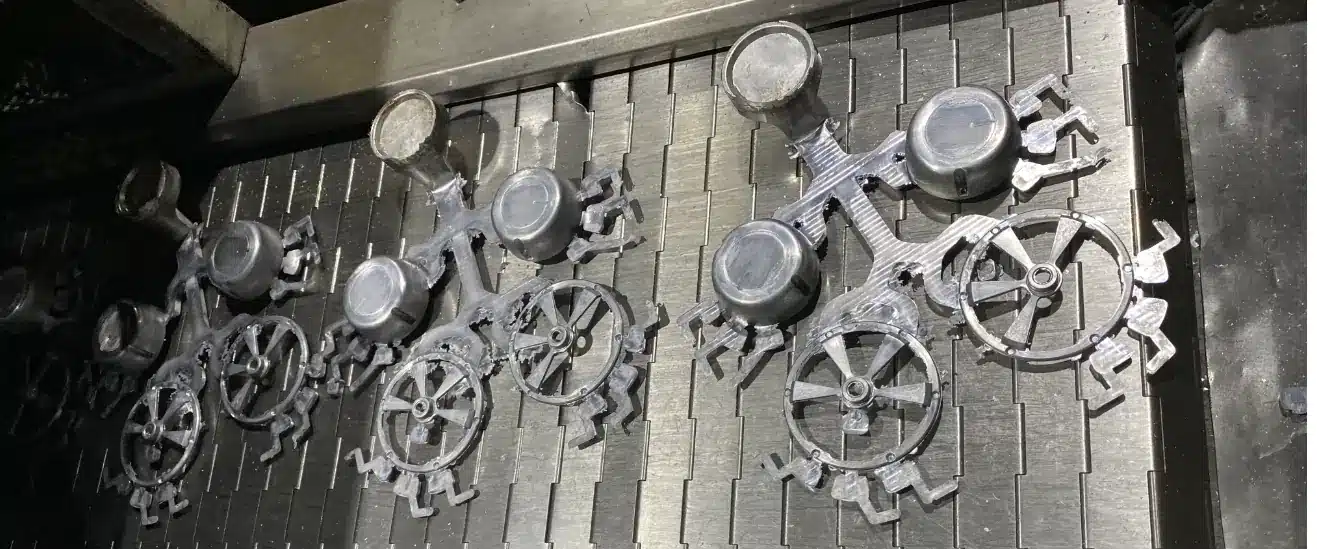
Die Casting
High-quality aluminum and zinc die casting solutions for complex metal components with excellent strength, accuracy, and production efficiency.
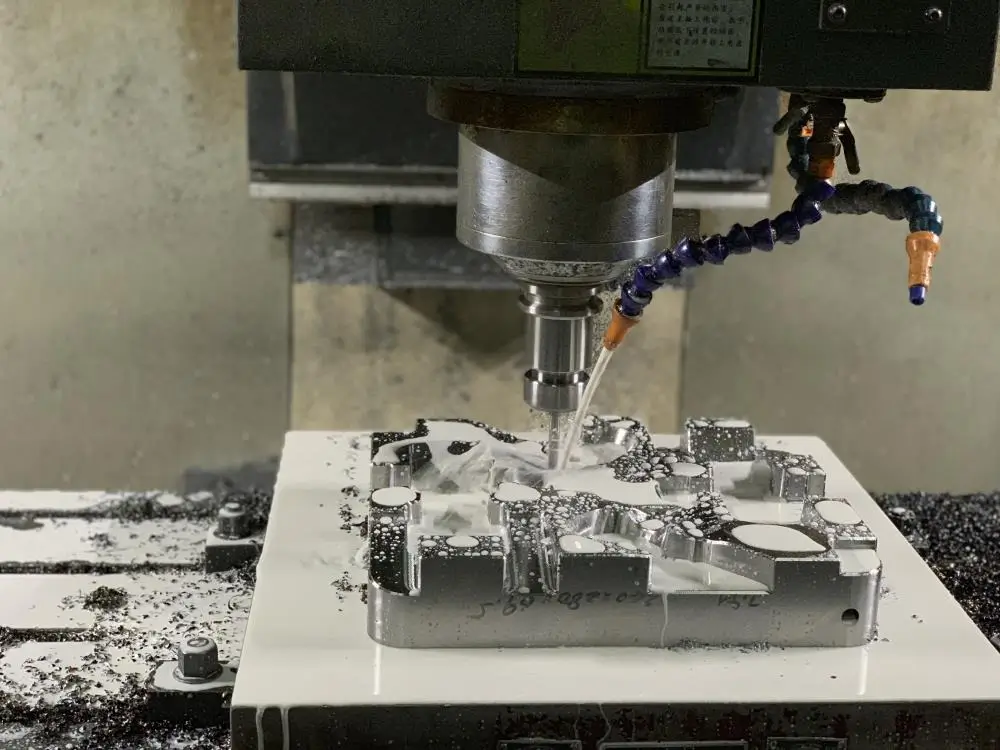
CNC Machining
Precision CNC machining services for plastic and metal parts, ideal for prototypes, low-volume production, and secondary machining.
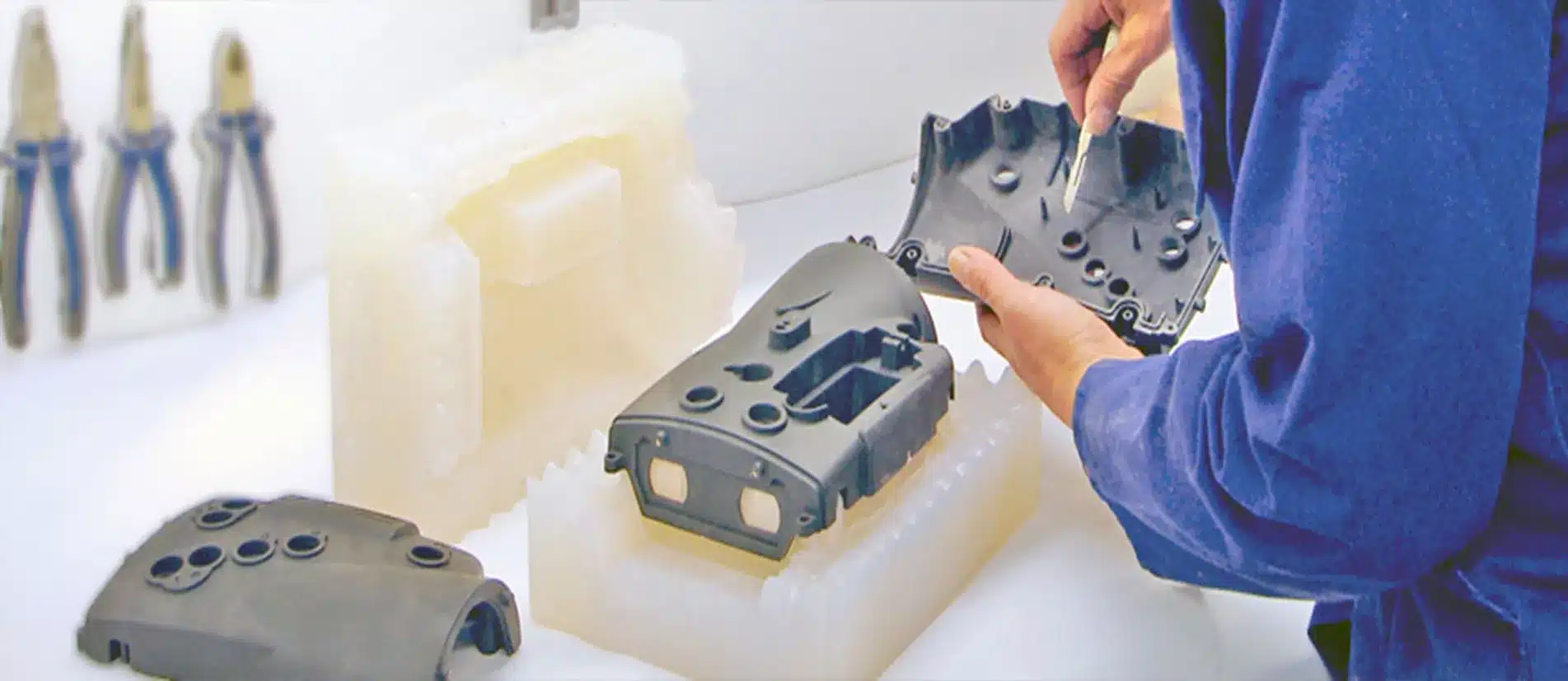
Vacuum Casting
Prototype or first article samples are manufactured for validation and approval before full production begins.
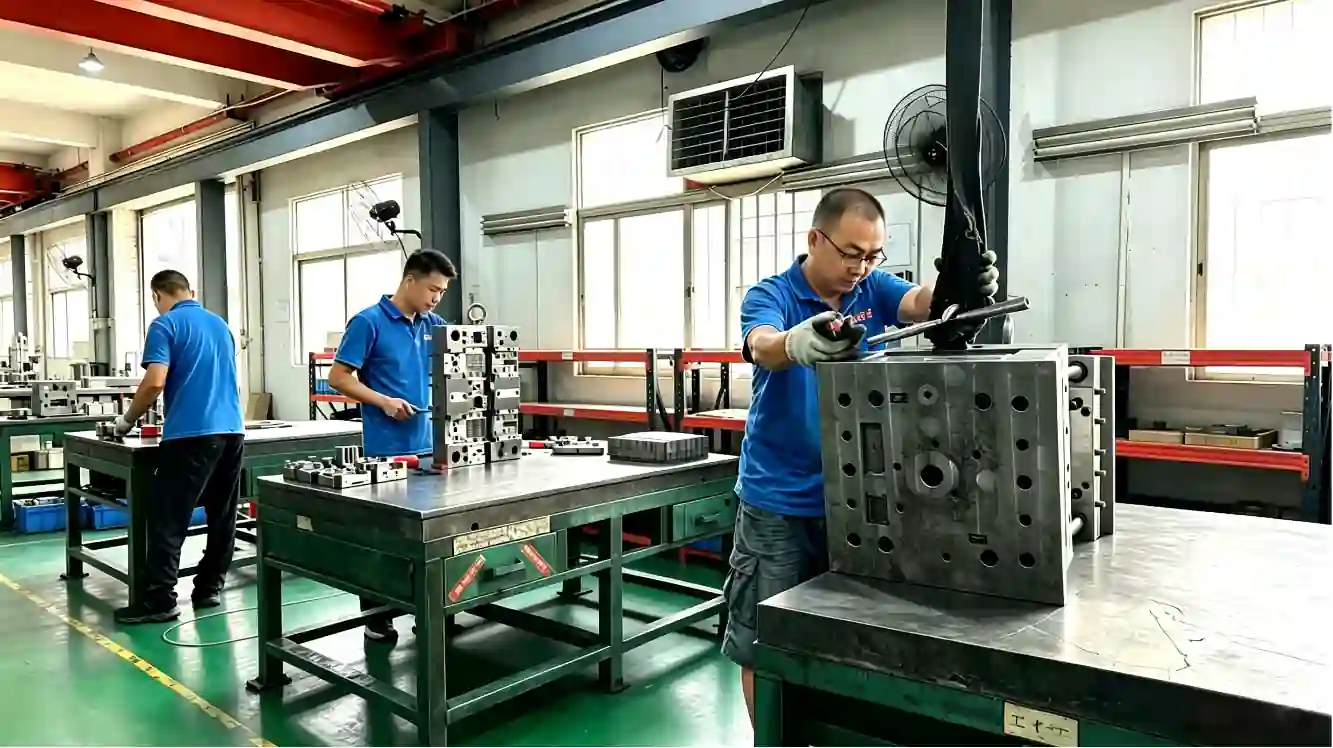
Mold Making
Custom mold design and manufacturing with optimized tooling solutions for long-lasting, high-performance production.
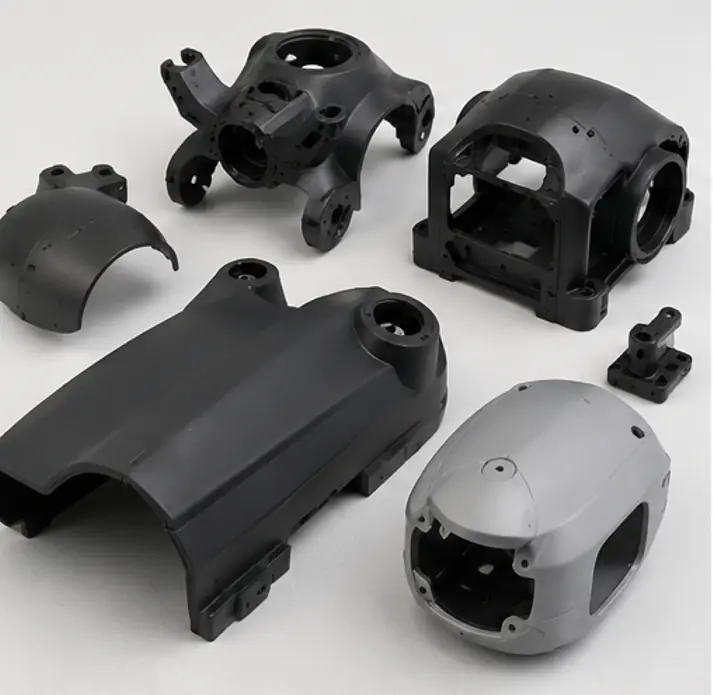
Rapid Prototyping
Accelerate product development with rapid prototyping services, including CNC machining, 3D printing, and vacuum casting.
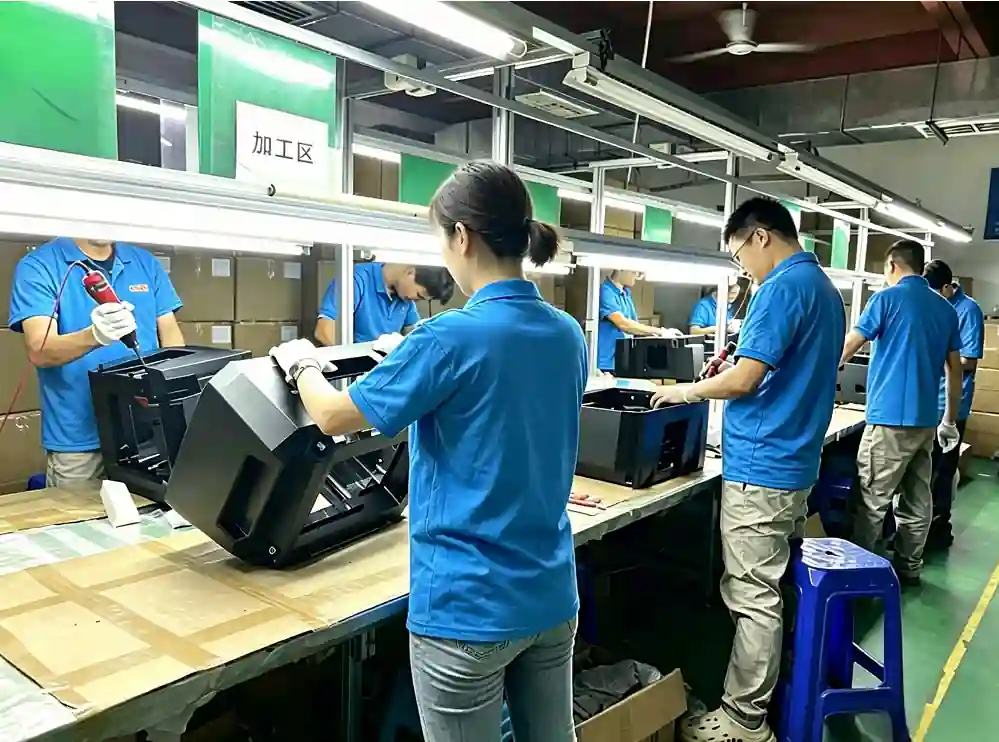
Product Assembly
Complete post-molding services including assembly, ultrasonic welding, printing, labeling, testing, and packaging.
Need a Complete Manufacturing Partner?
From insert molding tooling to finished assemblies, SENSES MOLD supports your project with integrated engineering and manufacturing capabilities.
Frequently Asked Questions (FAQ)
Insert molding is a good option when a product requires stronger integration between plastic and metal components, reduced assembly steps, or improved production consistency.
It is commonly considered when manufacturers want to:
- Reduce the number of components
- Eliminate manual fastening operations
- Improve product reliability
- Simplify high-volume production
Insert molding can reduce overall manufacturing costs by combining multiple production steps into one process.
Cost savings may come from:
- Reduced assembly labor
- Fewer components
- Lower handling requirements
- Improved production efficiency
However, the total cost depends on tooling investment, insert complexity, and production volume.
performance and application requirements.
Yes. Insert molding can be used for prototype validation, pilot runs, and production projects.
The suitable approach depends on:
- Part complexity
- Tooling requirements
- Expected production volume
- Product development stage
Early engineering review helps determine the most cost-effective solution.
household products where improved functionality, protection, or ergonomics are required.
In many cases, existing assembled components can be redesigned for insert molding.
The conversion process usually requires reviewing:
- Current assembly structure
- Fastening methods
- Material compatibility
- Manufacturing feasibility
A DFM review can identify potential improvements before tooling changes are made.
To evaluate an insert molding project, manufacturers typically need:
- 3D CAD files
- 2D drawings
- Plastic material requirements
- Insert specifications
- Annual production volume
- Quality requirements
Providing complete project information helps improve quotation accuracy.
Yes. Insert molding can be integrated with automation systems for higher production efficiency.
Automation options may include:
- Automatic insert feeding
- Robotic insert placement
- Automated part handling
- Inline inspection
The right level of automation depends on production volume and part requirements.
Tool life is influenced by:
- Mold material selection
- Insert geometry
- Production conditions
- Plastic material characteristics
- Maintenance practices
Proper tooling design helps improve production stability and reduce downtime.
Yes. Custom metal inserts can be developed according to product requirements.
Common requirements include:
- Thread specifications
- Material selection
- Surface treatment
- Dimensional requirements
Custom insert development helps achieve better mechanical performance and product integration.