
Custom Rubber Molding Manufacturer for OEM Rubber Parts
SENSES MOLD provides custom rubber molding solutions for OEM customers, manufacturing precision rubber seals, gaskets, and molded rubber components from prototype development to mass production.
20+ Years | ISO9001 | IATF16949 | Prototype to Production
EPDM | Silicone | NBR | FKM | Compression | Transfer | Injection | DFM & Tooling Optimization
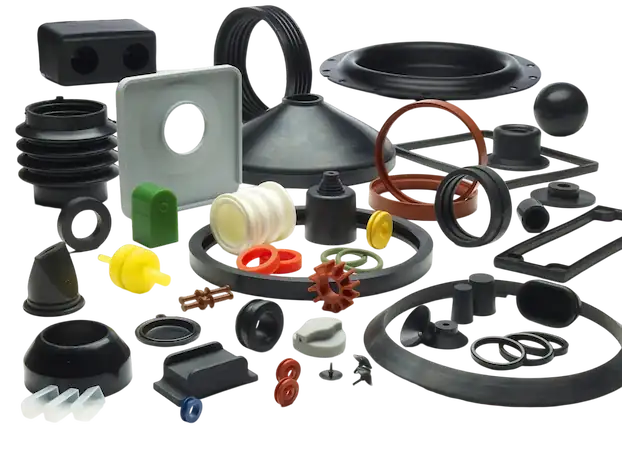
What Is Rubber Molding?
Rubber molding is a manufacturing process we use to produce custom rubber parts by forming rubber compounds inside precision molds under controlled heat and pressure.
At SENSES MOLD, we support OEM projects from rubber material selection and mold development to trial production and mass manufacturing. Depending on part design, performance requirements, and production volume, we select the most suitable molding method, including compression molding, transfer molding, and rubber injection molding.
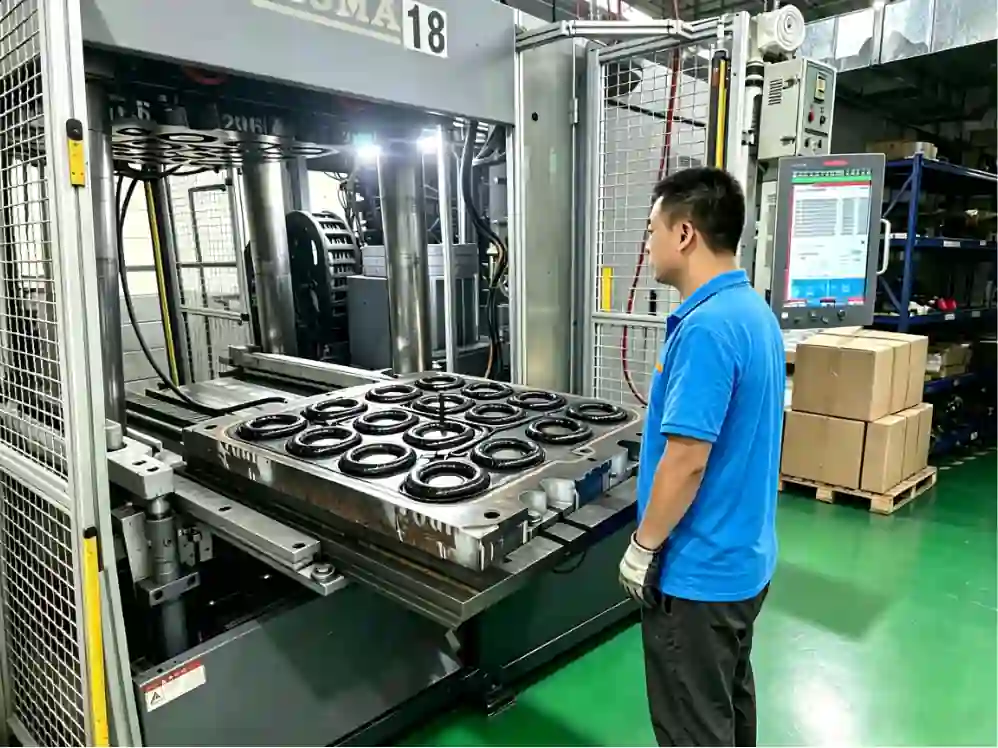
Why Choose Rubber Molding for Your Product Design?
Rubber molding gives product designers more flexibility to create components that require elasticity, protection, and long-term functional performance. By converting rubber compounds into precisely shaped parts, manufacturers can achieve solutions that are difficult to replace with rigid materials or standard fabrication methods.
Improve Product Sealing Reliability
Molded rubber components provide consistent contact pressure and flexible sealing performance, helping products maintain protection against moisture, dust, air leakage, and external contamination.
Common applications include:
- Sealing interfaces
- Protective covers
- Enclosure seals
- Mechanical sealing components
Reduce Vibration and Operating Noise
The elastic properties of rubber allow molded components to absorb mechanical movement and reduce vibration transfer between connected parts.
This helps improve:
- Equipment stability
- User comfort
- Component lifespan
- Product reliability
Enable Flexible Product Design
Rubber molding allows engineers to create complex shapes, flexible structures, and integrated functional features that are difficult to achieve with conventional manufacturing methods.
Design possibilities include:
- Flexible joints
- Protective covers
- Custom profiles
- Shock-absorbing structures
Improve Product Durability in Real Applications
Rubber components are designed to maintain performance under repeated movement, compression, environmental exposure, and daily operation.
Proper rubber solutions can help extend product service life and reduce maintenance requirements.
Need Better Sealing, Protection, or Flexibility for Your Rubber Product?
Share your drawings or application requirements. Our engineers can review your project and recommend suitable rubber solutions before tooling investment.
Rubber Molding Processes We Offer
Different rubber parts require different molding approaches depending on part geometry, production volume, material characteristics, and performance requirements. At SENSES MOLD, we help OEM customers select the most suitable rubber molding process based on product design, manufacturing requirements, and long-term production goals — from prototype development to mass production.
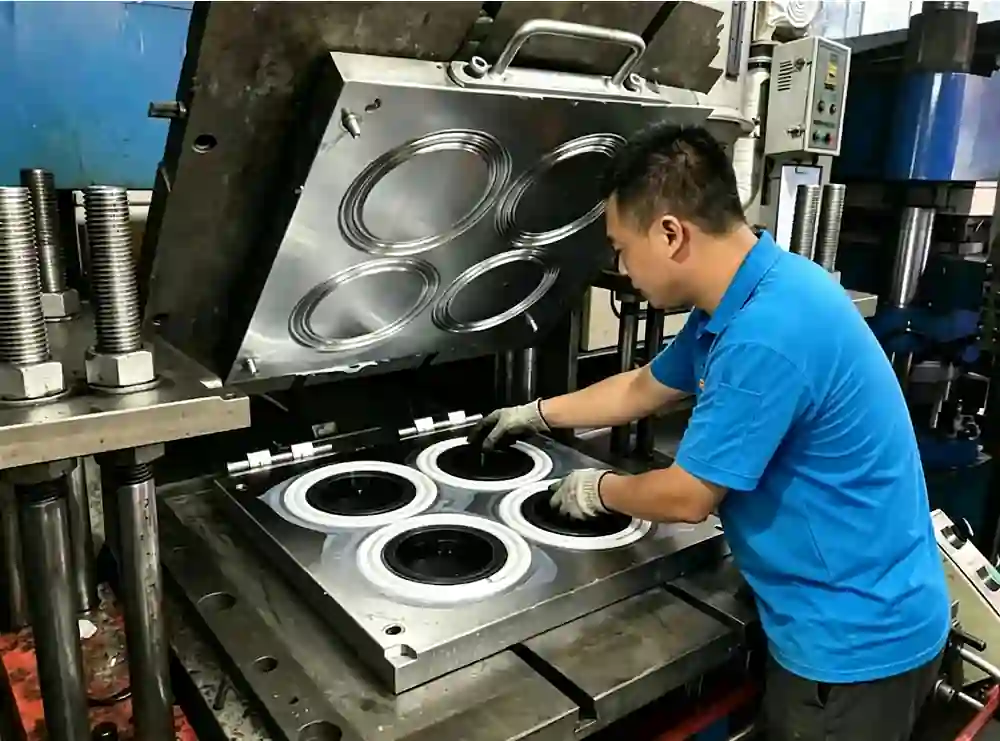
Compression Rubber Molding
Compression molding is commonly used for rubber parts requiring strong durability, larger dimensions, or lower-to-medium production volumes. This process is suitable for:
- Large rubber components
- Custom rubber gaskets
- Industrial rubber parts
- Vibration control components
Key Benefits:
- Cost-effective tooling
- Suitable for complex rubber compounds
- Good performance for larger parts
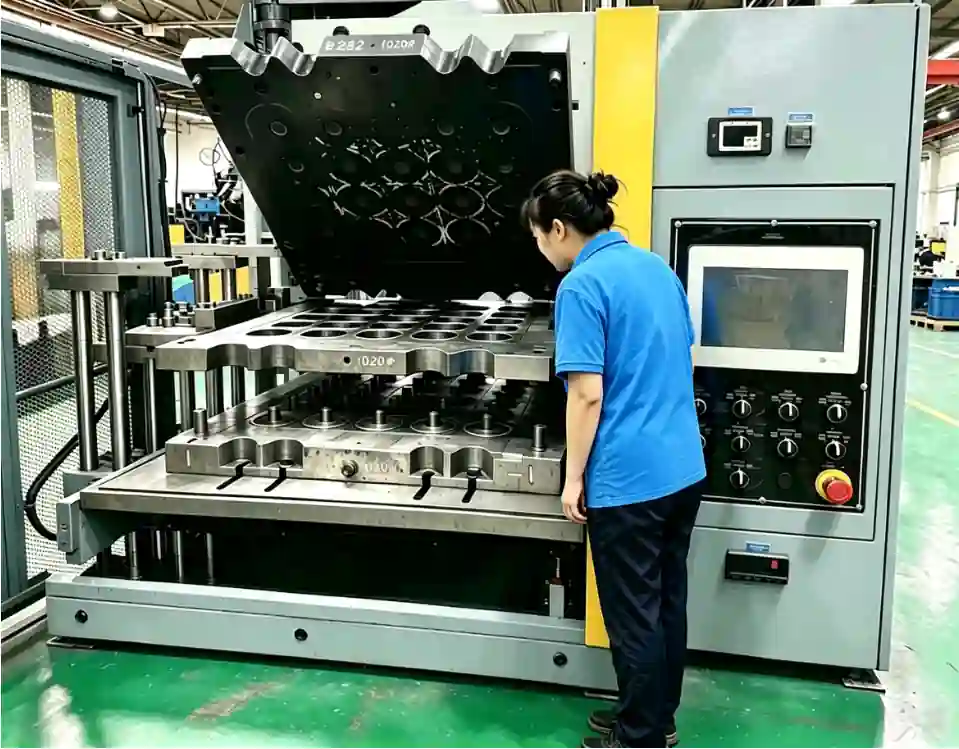
Transfer Rubber Molding
Transfer molding provides better control for parts with more complex geometries or tighter design requirements. It is often selected for:
- Detailed rubber components
- Parts with inserts
- Multiple cavity production
- Applications requiring consistent filling
Key Benefits:
- Better material distribution
- Improved dimensional consistency
- Suitable for more complex designs

Rubber Injection Molding
Rubber injection molding is ideal for higher-volume production where repeatability and production efficiency are critical.
Common applications include:
- Automotive rubber components
- Precision sealing parts
- Electronics rubber components
Key Benefits:
- Faster production cycles
- Stable part consistency
- Suitable for large-scale manufacturing
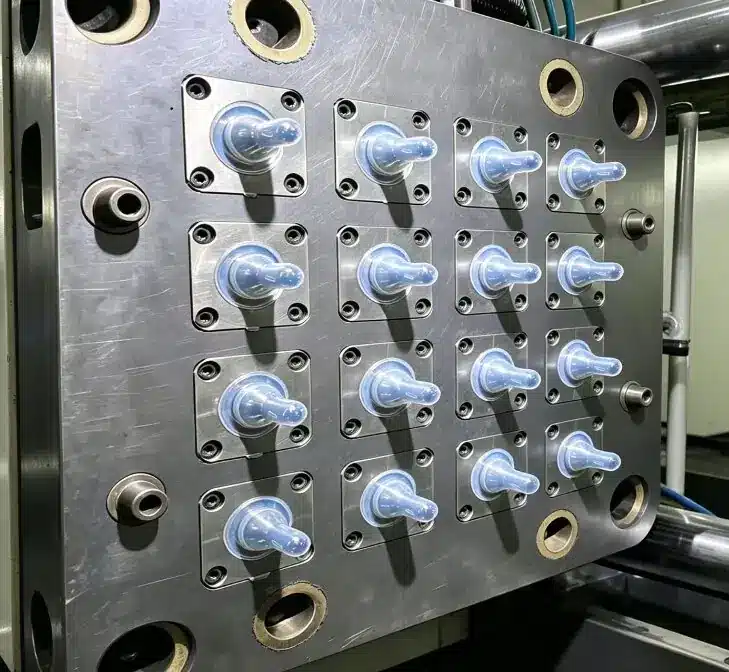
Silicone Rubber Molding
Silicone rubber molding is widely used when products require flexibility, temperature resistance, and long-term reliability.
Typical applications include:
- Silicone seals
- Medical components
- Consumer product parts
- High-temperature applications
Key Benefits:
- Excellent temperature performance
- Flexible material properties
- Long service life
Need Help Selecting the Right Rubber Molding Process?
Selecting the wrong molding method can affect tooling cost, production efficiency, and final part performance. Send us your part drawing and production requirements. Our engineers will evaluate your project and suggest the most suitable rubber molding process.
Rubber Material Selection Guide
Choosing the Wrong Rubber Material Can Lead to Performance Issues
Selecting the right rubber material is critical for achieving reliable sealing, durability, and long-term product performance. Different applications require different material properties. A rubber component exposed to outdoor environments, oils, high temperatures, chemicals, or food-contact conditions may require completely different material solutions.
At SENSES MOLD, we help OEM customers evaluate application requirements and select suitable rubber materials before tooling and production.


Compare Common Rubber Materials for Different Applications
| Rubber Material | Key Advantages | Best Suited For | Considerations |
|---|---|---|---|
| EPDM Rubber | Excellent weather, ozone, water, and aging resistance. | Automotive weather seals, waterproof gaskets, outdoor rubber components. | Not suitable for oil and fuel exposure. |
| Liquid Silicone Rubber (LSR) | Excellent temperature stability, flexibility, aging resistance, and available food-contact / medical grades. | Medical silicone parts, food-contact seals, baby products, precision silicone components. | Requires specialized tooling and controlled molding processes. |
| Silicone Rubber | Wide temperature range, soft flexibility, and excellent long-term stability. | Flexible seals, electrical protection parts, consumer products. | Lower tear and abrasion resistance compared with some synthetic rubbers. |
| NBR Rubber | Excellent oil and fuel resistance with good mechanical properties. | Hydraulic seals, automotive rubber parts, industrial sealing components. | Limited weather and ozone resistance. |
| FKM / Viton Rubber | Superior chemical resistance, fuel resistance, and high-temperature performance. | Engine seals, chemical equipment, demanding industrial applications. | Higher material cost. |
| Natural Rubber (NR) | Excellent elasticity, impact absorption, and vibration damping. | Vibration isolators, shock absorption components. | Limited chemical and environmental resistance. |
Need Help Selecting the Right Rubber Material?
Choosing the right rubber compound depends on actual operating conditions, including temperature range, chemical exposure, sealing requirements, and expected service life. Our engineering team can review your product requirements and recommend a suitable rubber solution before tooling investment.
Custom Rubber Molding Parts We Manufacture
Choosing the Wrong Rubber Material Can Lead to Performance Issues
Every application has unique performance and environmental requirements. We manufacture custom molded rubber parts in a wide range of materials and configurations, supporting projects from prototype development to high-volume production.
Whether your priority is sealing, vibration control, insulation, or protection, our engineering team works with you to develop rubber components that meet your functional and manufacturing requirements.

Rubber Seals & Gaskets
Designed for reliable sealing against water, dust, air, oil, and other environmental conditions. Typical Products:
- EPDM rubber seals
- Silicone rubber seals
- NBR seals
- FKM seals
- Custom rubber gaskets

Rubber Bushings & Vibration Isolators
Engineered to absorb vibration, reduce noise, and protect mechanical assemblies. Typical Products
- Rubber bushings
- Rubber vibration isolators
- Rubber isolation mounts
- Anti-vibration mounts

Rubber Boots, Bellows & Protective Covers
Flexible molded components designed to protect moving parts from dust, moisture, and contaminants. Typical Products
- Rubber bellows
- Rubber boots
- Protective covers
- Flexible sleeves

Custom Industrial Rubber Components
Manufactured according to customer drawings or technical specifications for OEM applications across multiple industries.
- Custom molded rubber parts
- Industrial rubber products
- Automotive rubber components
- Electrical rubber components
- Machinery rubber parts
Need a Custom Rubber Part Manufactured?
Whether you have a finished CAD model or an early-stage concept, our engineering team can review your design, recommend suitable materials and molding methods, and support your project from tooling through production.
Engineering Challenges We Solve with Rubber Molding
Every Rubber Part Has Different Challenges. Most Can Be Prevented Before Tooling.
Over the years, we’ve found that many rubber molding issues don’t originate on the production floor—they begin much earlier, during material selection, part design, or tooling development. By reviewing these details before the mold is built, many problems can be avoided before they become costly production issues.
Sealing Performance Doesn't Meet Expectations
A sealing problem isn’t always caused by the rubber material itself. We’ve seen cases where the real issue was an unsuitable groove design, insufficient compression, or the wrong material for the working environment.
What we review before tooling:
- Whether the sealing structure matches the application
- Compression ratio and contact area
- Material suitability for temperature, chemicals, and outdoor exposure
Rubber Parts Age Faster Than Expected
Rubber components can harden, crack, or lose elasticity when the material doesn’t match the actual operating conditions. Rather than recommending a material based only on a specification sheet, we look at how the part will actually be used throughout its service life.
Typical factors we evaluate:
- Operating temperature
- UV and ozone exposure
- Oil or chemical contact
- Compression frequency and service life
Flash Creates Extra Finishing and Assembly Problems
Flash is one of the most common concerns in rubber molding. In our experience, stable flash control starts with tooling design rather than relying only on production adjustments.
During mold development, we pay close attention to parting lines, venting, and cavity design to help reduce unnecessary trimming and improve assembly consistency.
Dimensions Change Between Production Batches
Unlike rigid plastics, rubber materials naturally expand and shrink during molding and curing. Maintaining consistency requires more than simply controlling the molding machine.
We compensate for material shrinkage during mold design and verify key dimensions throughout production to improve batch-to-batch consistency.
Let’s Review Your Design Before Tooling
Many manufacturing issues can be identified long before production starts. If you’re developing a new rubber component or improving an existing design, our engineering team can review your drawings, discuss potential risks, and recommend practical manufacturing solutions based on real production experience.
Rubber Molding Design & DFM Support
Good Rubber Parts Start With Good Design
A rubber component can look simple, but small design decisions can directly affect sealing performance, tooling cost, and production stability. Based on years of rubber molding experience, our engineers review part designs before tooling to identify potential manufacturing risks and recommend practical improvements.
Rubber Part Geometry Optimization
Small changes in geometry can significantly improve molding results. We review Wall thickness consistency & Rubber flow direction & Corner radius & Draft and release considerations & Undercut structures.
Sealing Performance Considerations
For sealing components, the design of the contact area is critical. We analyze Compression ratio & Sealing surface design & Groove dimensions & Contact pressure distribution
Sealing Performance Considerations
For sealing components, the design of the contact area is critical. We analyze Compression ratio & Sealing surface design & Groove dimensions & Contact pressure distribution
Tooling & Production Feasibility Review
Before mold manufacturing, we check whether the design is suitable for stable production. Our engineers consider Parting line location & Mold structure & Venting requirements & Flash control & Production efficiency.
Avoid Design Changes After Tooling Starts!
Many rubber molding issues become expensive after the mold is completed. A DFM review before tooling helps reduce unnecessary modifications, shorten development time, and improve the chance of successful mass production.
Rubber Components We've Manufactured for Different Applications
One Rubber Material Doesn't Fit Every Product
Over the years, we’ve manufactured custom rubber components for customers across a wide range of industries. Although many parts look similar, their performance requirements are often completely different. That’s why we don’t recommend materials based only on a drawing. We first understand how the part will be used, then select the appropriate rubber compound and molding process for the application.
Automotive
Automotive projects often require long-term durability, vibration control, weather resistance, and consistent assembly performance.
Products we’ve manufactured
• Door & window seals
• Rubber bushings
• Cable grommets
• Dust boots
• Anti-vibration mounts
Industrial Equipment
Industrial applications usually focus on wear resistance, sealing reliability, and stable performance under continuous operation.
Products we’ve manufactured
• Rubber bellows
• Machine seals
• Rubber diaphragms
• Protective covers
• Equipment isolation mounts
Medical & Food Equipment
These applications place greater emphasis on material cleanliness, flexibility, and consistent molding quality.
Products we’ve manufactured
• LSR components
• Silicone gaskets
• Medical seals
• Soft silicone parts
Electrical & Electronics
Many electronic rubber components are designed to provide sealing, insulation, cable protection, and environmental resistance.
Products we’ve manufactured
• Connector seals
• Cable boots
• Rubber grommets
• Waterproof sealing components
Consumer & Commercial Products
We also manufacture custom rubber parts used in household appliances, outdoor equipment, and consumer products where comfort, protection, and durability are important.
Products we’ve manufactured
• Protective covers
• Silicone grips
• Rubber feet
• Custom molded components
Not Sure Whether Your Application Is a Good Fit?
If your project requires custom molded rubber components, our engineering team can review your application and recommend suitable materials and manufacturing solutions based on your performance requirements.
Advanced Rubber Molding Manufacturing Capabilities
From Prototype Development to Stable Mass Production
A successful rubber molding project requires more than producing a mold and running parts. Material behavior, mold design, process control, and production consistency all affect the final product performance. With years of experience in custom rubber molding, our engineering team supports OEM projects from early design review and tooling development through production validation and volume manufacturing.
Rubber Tooling Development
Custom molds designed for stable production and repeatable quality.
Multiple Rubber Molding Processes
Compression molding, transfer molding, rubber injection molding, and LSR molding.
Prototype to Mass Production
Support from initial sampling, tooling validation, to high-volume manufacturing.
Material & Process Optimization
Select suitable rubber compounds based on performance requirements.
Need a Reliable Rubber Moulders?
Whether you are developing a new rubber component or looking for a more stable production solution, our engineers can support your project from initial design review to final production..
Rubber Molding Quality Control & Testing
Consistent Quality Starts Before Mass Production
Rubber parts are different from rigid plastic components. Material behavior, shrinkage, curing conditions, and molding parameters can all affect the final performance. Based on years of rubber molding experience, we focus on controlling key factors throughout the manufacturing process — from incoming material inspection to final part validation.
Material Verification Before Production
Before molding begins, we confirm that the selected rubber compound meets the required performance requirements.
We check:
- Rubber material specifications
- Hardness requirements (Shore A)
- Material consistency
- Supplier documentation

Process Control During Molding
Stable production depends on controlling the molding conditions, not only the mold itself.
Our engineers monitor:
- Molding temperature
- Curing time
- Pressure settings
- Part appearance consistency
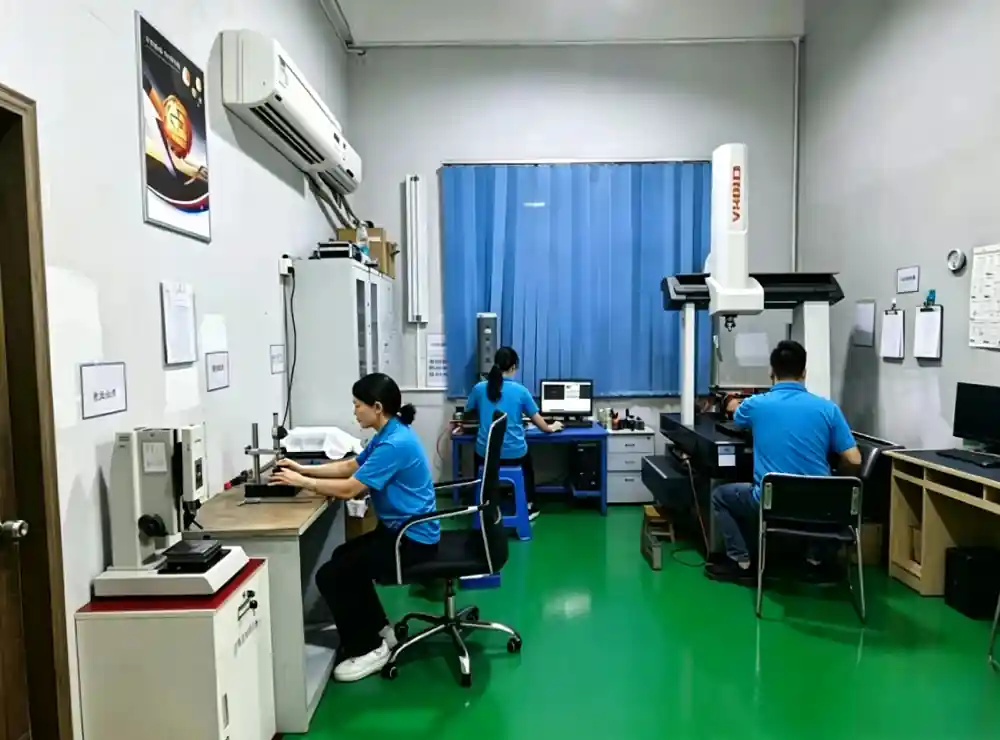
Dimensional & Functional Inspection
Rubber components often work as sealing, vibration, or protection elements. Dimensions directly affect assembly and performance.
Inspection includes:
- Dimensional measurement
- Visual inspection
- Hardness testing
- Sealing performance checks

Final Quality Validation Before Shipment
Before delivery, parts are inspected according to project requirements to ensure they meet customer specifications.
Quality checks may include:
- Appearance inspection
- Dimensional verification
- Packaging confirmation
- Batch traceability
Need Reliable Rubber Parts for Production?
A stable rubber molding supplier is not only about making parts — it’s about maintaining consistent performance from the first sample to every production batch. Our engineering team can review your requirements and recommend suitable quality control methods for your project.
Why Choose SENSES MOLD for Rubber Molding?
More Than A Rubber Molding Supplier — A Manufacturing Partner From Design To Production
Choosing a rubber molding supplier is not only about producing parts. A reliable partner should understand your application requirements, provide engineering support before tooling, and maintain consistent quality throughout production.
With years of manufacturing experience, SENSES MOLD supports OEM customers from initial design evaluation to stable mass production.
Engineering Support Before Tooling
Many rubber molding problems can be prevented before the mold is built. Our engineering team helps review: Part design feasibility & Rubber material selection & Mold structure considerations & Potential production risks. This helps customers reduce unnecessary tooling changes and improve project efficiency.
In-House Tooling & Manufacturing Control
Unlike suppliers that only focus on molding production, we control the complete manufacturing process from tooling development to finished rubber components. Our capabilities include: Rubber mold design Mold manufacturing Trial production Rubber molding Quality inspection Secondary operations
Experience With Different Rubber Applications
Over the years, we have manufactured rubber components for different industries and performance requirements. Our experience includes: Sealing components, Vibration control parts, Protective rubber components, Silicone and LSR products, Custom molded rubber parts.
Stable Production For OEM Projects
For long-term production projects, consistency is critical. We focus on: Controlled molding parameters; Reliable tooling performance; Defined inspection standards; Continuous process improvement. Helping customers receive stable quality from prototype approval to repeat production.
One Partner For Complex Manufacturing Needs
Many rubber components require more than molding alone. With additional manufacturing capabilities, we help customers simplify supplier management and improve project efficiency. Support includes: Rubber molding; Injection molding; CNC machining; Assembly; Surface finishing
Delivered for Global OEM Customers
Injection Molding Machine Capacity
Quality Management
Precision Molding Capability
Tooling & Plastic Manufacturing Experience
Looking for a Reliable Insert Molding Supplier?
Whether you are developing a new rubber component or looking for a stable production supplier, our engineering team can help evaluate your project requirements.
Rubber Molding Engineering Insights
Practical Engineering Knowledge Built From Real Manufacturing Experience
Every rubber molding project presents different engineering challenges. Over the years, our team has documented the questions customers ask most often and the design considerations that have the greatest impact on product performance, tooling, and production. These articles are based on practical manufacturing experience and are intended to help engineers, product designers, and sourcing teams make better decisions before tooling begins.
- Rubber Part Design
How to Design Rubber Sealing Components
Rubber Wall Thickness Design Guide
Rubber Draft Angle Design Best Practices
Rubber Shrinkage Design Considerations
- Rubber Material Selection
EPDM vs Silicone Rubber: Which Should You Choose?
NBR vs FKM Rubber for Sealing Applications
How to Select Rubber Materials for Outdoor Use
Understanding Rubber Hardness (Shore A)
- Rubber Molding Process & Manufacturing
Compression Molding vs Injection Molding
When to Choose Transfer Molding
Prototype vs Production Rubber Molds
Factors That Affect Rubber Molding Cost
- Quality & Troubleshooting
How to Reduce Flash in Rubber Molding
Why Rubber Parts Change Size After Molding
Improving Sealing Performance in Rubber Components
Rubber Quality Inspection Guide
Looking for Answers to a Specific Rubber Molding Question?
If you can’t find the information you’re looking for, our engineering team is happy to discuss your project and share practical recommendations based on your application and manufacturing requirements.
Related Manufacturing Services
Complete Manufacturing Support Beyond Rubber Molding
Many rubber components require additional processes to achieve the final product requirements. From prototype development to production assembly, our manufacturing capabilities help customers reduce supplier coordination and simplify project management.
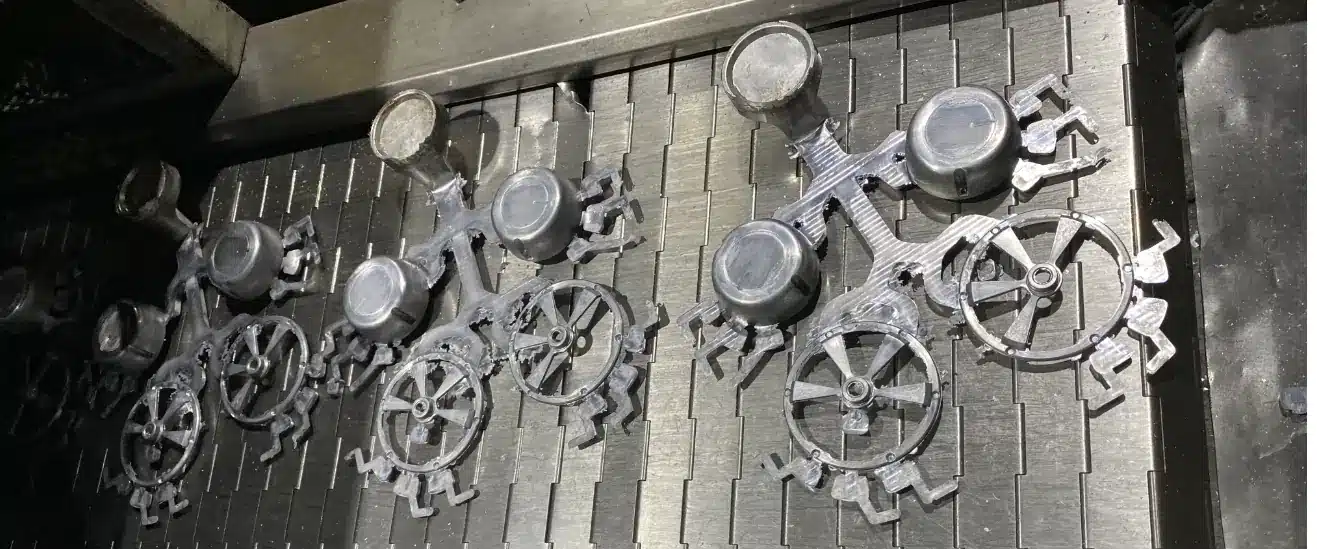
Die Casting
High-quality aluminum and zinc die casting solutions for complex metal components with excellent strength, accuracy, and production efficiency.
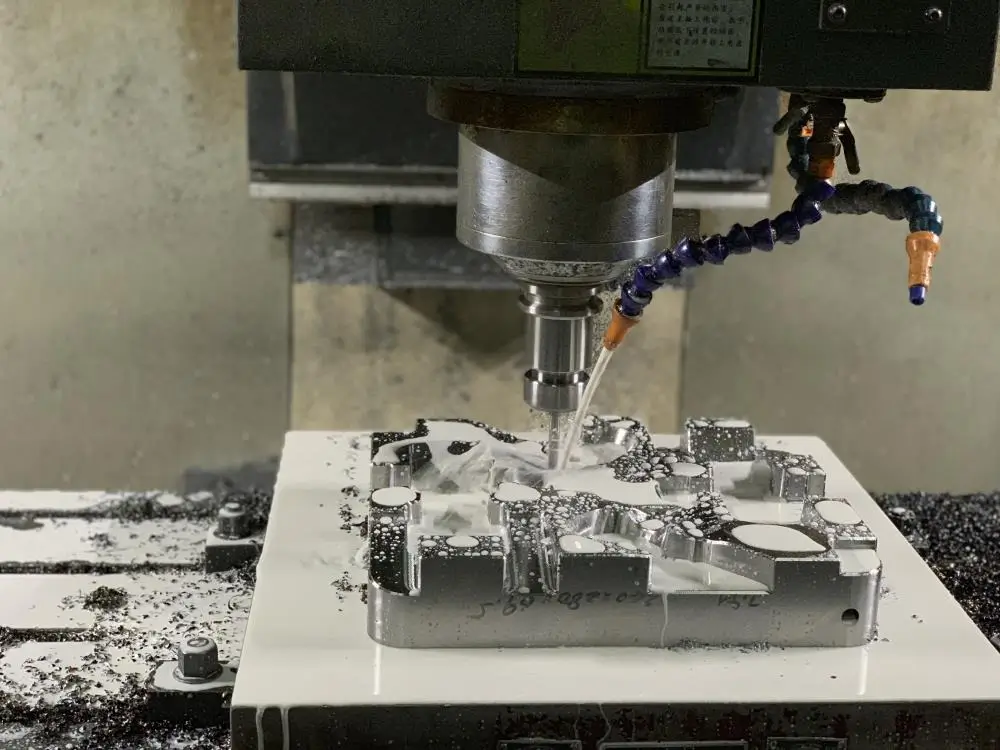
CNC Machining
Precision CNC machining services for plastic and metal parts, ideal for prototypes, low-volume production, and secondary machining.
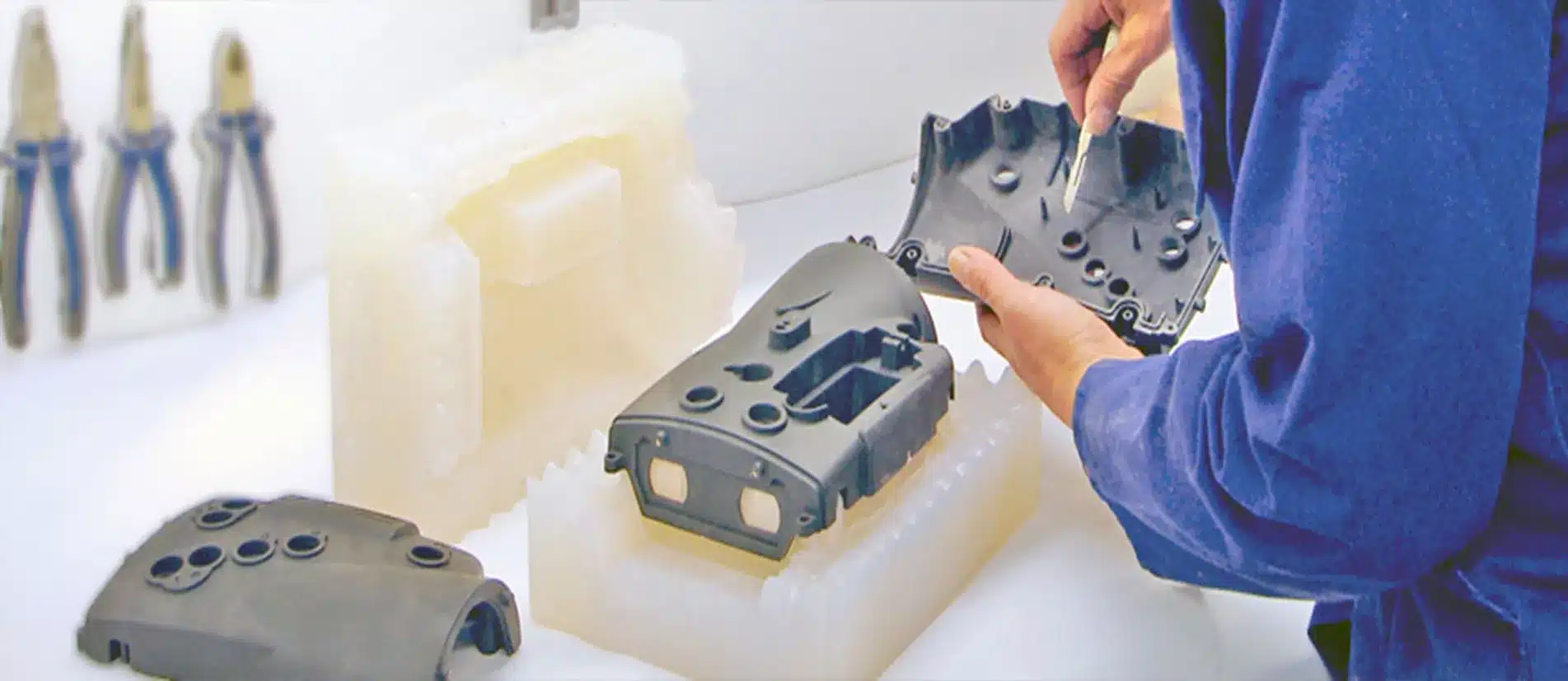
Vacuum Casting
Prototype or first article samples are manufactured for validation and approval before full production begins.
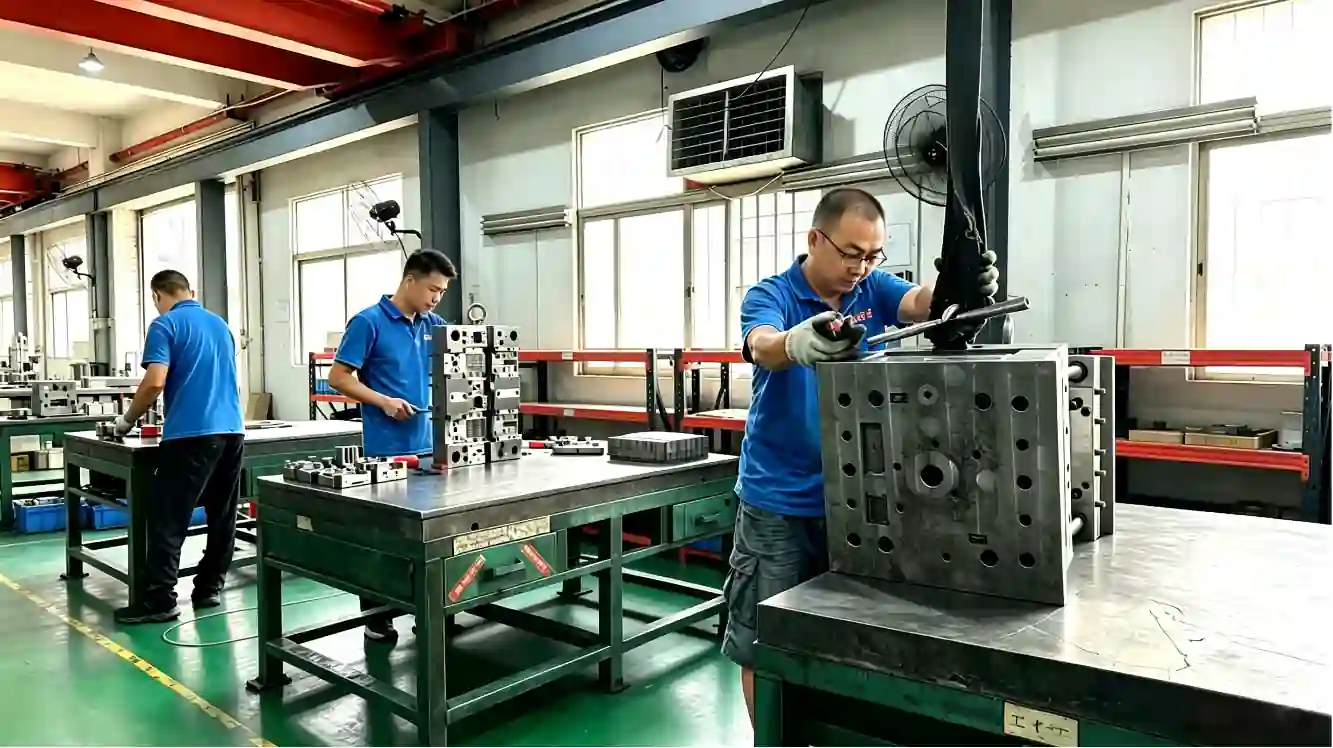
Mold Making
Custom mold design and manufacturing with optimized tooling solutions for long-lasting, high-performance production.
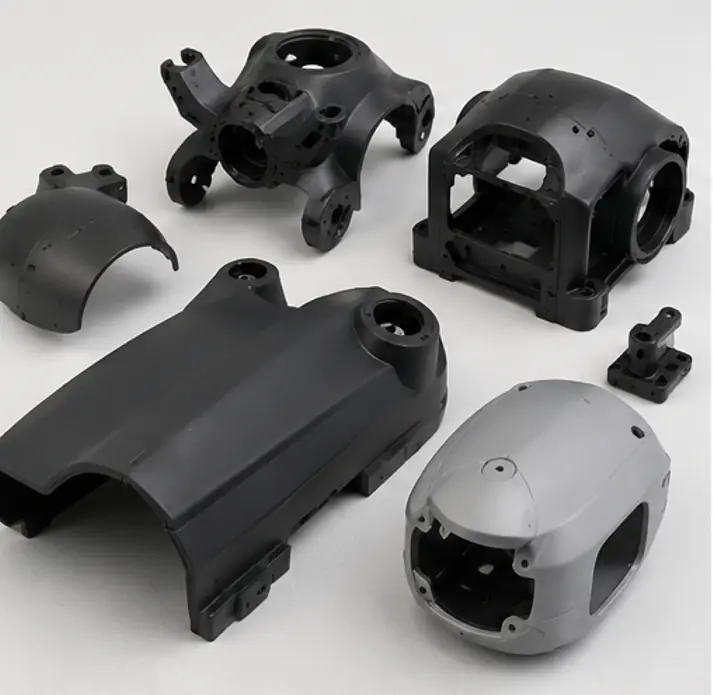
Rapid Prototyping
Accelerate product development with rapid prototyping services, including CNC machining, 3D printing, and vacuum casting.
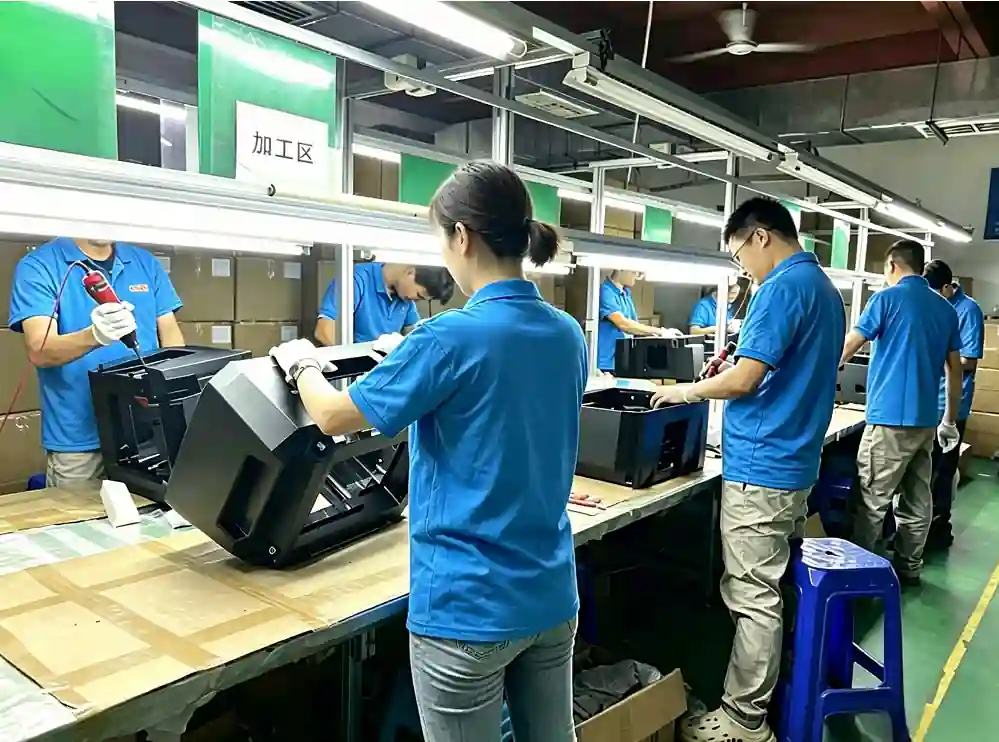
Product Assembly
Complete post-molding services including assembly, ultrasonic welding, printing, labeling, testing, and packaging.
Need A Complete Manufacturing Solution?
Whether you need a single rubber component or a complete assembled product, our engineering team can support your project from initial design review through production.
Frequently Asked Questions (FAQ)
Yes, we can evaluate existing rubber parts and support reverse engineering when drawings are unavailable.
During evaluation, our engineers review:
- Part dimensions
- Material characteristics
- Functional requirements
- Manufacturing feasibility
For production projects, we recommend creating proper drawings and specifications before tooling to ensure consistent quality.
Lead time depends on part complexity, tooling requirements, material availability, and validation requirements.
A typical project may include:
- Design review
- Mold development
- Tool trial
- Sample approval
- Production preparation
We evaluate each project individually to provide a realistic production schedule before starting.
Rubber molding can support different production volumes depending on the product design and tooling approach.
We support:
- Prototype quantities for design validation
- Low-volume production
- Medium-volume manufacturing
- High-volume production runs
Our engineers help determine the most practical tooling solution based on expected demand.
Yes. We manufacture rubber components with embedded metal inserts for applications requiring additional strength, mounting capability, or structural support.
Common examples include:
- Rubber bushings with metal sleeves
- Vibration mounts
- Bonded rubber components
- Industrial mounting parts
Yes. We support projects where customers already own tooling and need a reliable manufacturing partner.
Our team can assist with:
- Mold evaluation
- Trial production
- Process adjustment
- Quality improvement
- Mass production transfer
Yes. We support international OEM customers with custom rubber components for different industries and applications.
Our team can assist with:
- Engineering communication
- Production documentation
- Quality requirements
- Packaging requirements
- Export shipment preparation
For repeat production, consistency comes from controlling the entire manufacturing process.
We maintain stable production through:
- Approved tooling conditions
- Defined production parameters
- Inspection standards
- Production records
- Continuous quality monitoring
Changes after tooling completion can increase development time and cost, so we try to identify potential risks during the design review stage.
If modifications are required, our engineering team evaluates whether the change involves:
- Part design adjustment
- Mold modification
- Process parameter adjustment
- Material changes