Custom Vacuum Casting Services for Prototypes & Low-Volume Production
Turn your CAD designs into detailed polyurethane parts with silicone mold vacuum casting. Senses Mold supports functional prototypes, appearance models and low-volume production with material selection, finishing and engineering review.
What Is Vacuum Casting?
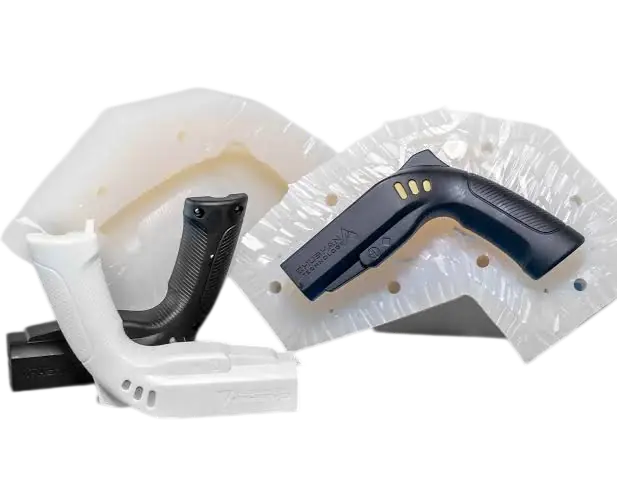
Vacuum casting is a manufacturing process used to reproduce a master pattern in a silicone mold, commonly with polyurethane (PU) resin. After the mold is prepared, liquid casting material is introduced under controlled vacuum conditions to help reduce trapped air and capture fine details. The material cures and the finished part is removed from the flexible mold.
Also called urethane casting or silicone mold casting in many prototyping contexts, this method is useful for creating realistic housings, covers, grips and engineering samples without investing in a hardened steel injection mold.
For clarity, the service described here is polyurethane vacuum casting, not vacuum-assisted metal die casting.
How Does the Vacuum Casting Process Work?
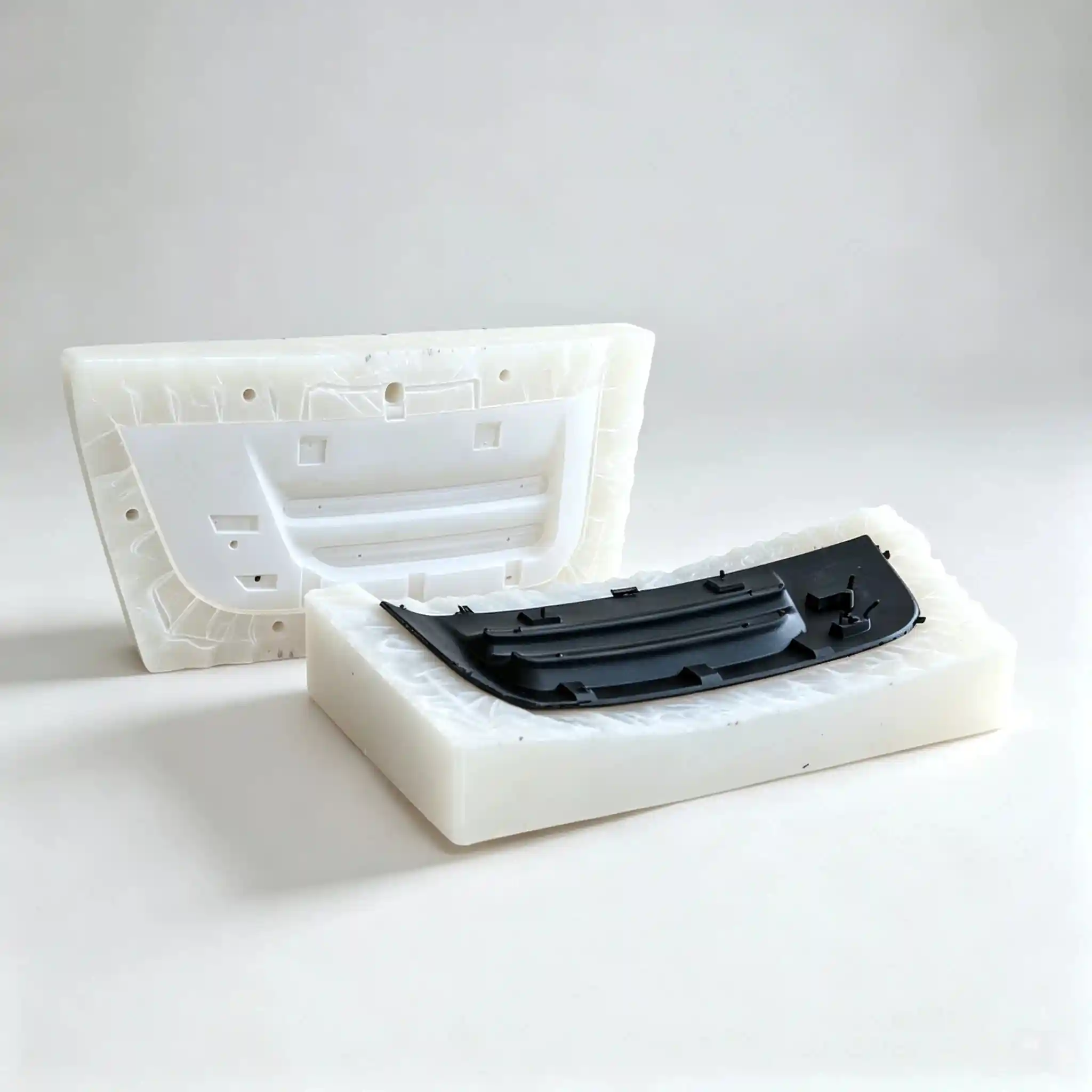
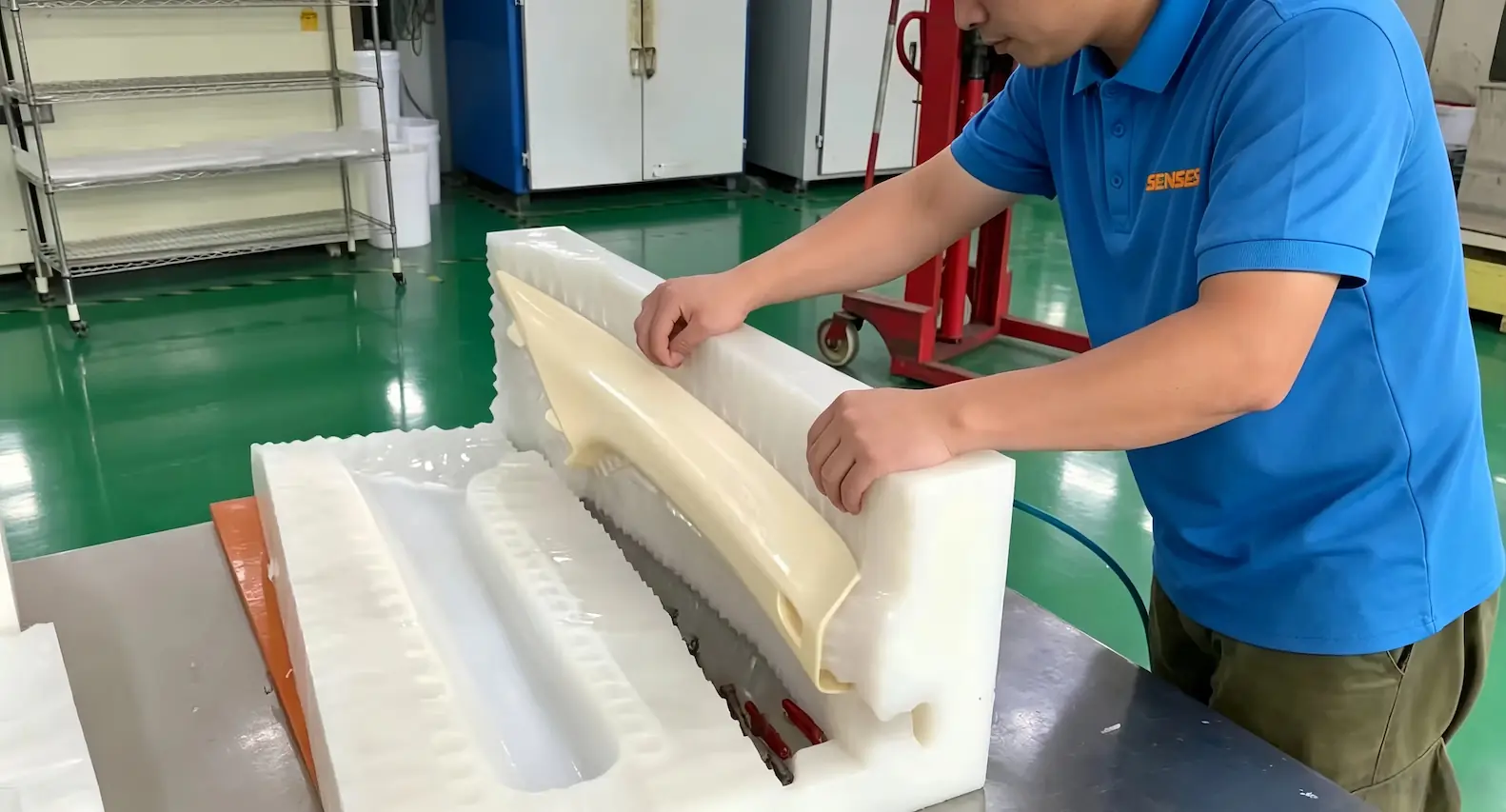
The vacuum casting process creates production-like parts from a master pattern by making a silicone mold and casting polyurethane resin under vacuum. After curing, the parts are demolded, finished, and inspected before delivery.
3D CAD → Master Pattern
We start from your 3D CAD data and create a master pattern using SLA 3D printing or CNC machining, depending on the required accuracy, surface quality, and geometry.
Master Pattern → Silicone Mold
The master pattern is enclosed in liquid silicone to create a flexible mold cavity. Parting lines, gates, and vents are considered according to the part geometry.
Mold Preparation
The silicone mold is opened, cleaned, positioned, and checked before casting to support proper filling and accurate detail reproduction.
Polyurethane Casting Under Vacuum
The selected polyurethane casting resin or urethane resin is mixed and poured into the silicone mold under vacuum. This helps reduce trapped air and reproduce complex geometry and surface details.
Demolding & Finishing
After curing, the part is removed from the silicone mold. Gates, flash, and excess material are trimmed, followed by any required surface finishing or secondary operations.
Inspection & Delivery
Finished vacuum cast parts are checked for dimensions, appearance, surface quality, and project-specific functional requirements before delivery.
What Controls Vacuum Casting Part Quality?
Consistent vacuum cast parts depend on the master pattern, silicone mold design, material selection, and casting control — not only the casting stage itself.
Master Pattern Accuracy
The master pattern establishes the dimensional and surface reference for the silicone mold.
Silicone Mold Design
Parting lines, gates, vents, and mold construction affect detail reproduction and filling performance.
Casting Control
Mixing, vacuum conditions, curing, demolding, and finishing influence consistency and appearance.
Need Vacuum Cast Parts for Your Project?
Send us your 3D file and part requirements. Our engineers can review the geometry, material requirements, mold approach, and production quantity before quotation.
Which Vacuum Casting Material Is Right for Your Part?
Choose the right vacuum casting materials according to part function, appearance, flexibility, clarity, durability, and production requirements. Our polyurethane casting materials support custom prototypes, functional validation, and low-volume production.
ABS-Like
Good all-around casting material for housings, brackets, covers, enclosures, and general functional prototypes.
- Provides an ABS-like balance of strength, stiffness, and surface appearance.
- Suitable for custom polyurethane parts requiring practical mechanical performance.
- A common choice for design validation and low-volume production parts.
PC-Like
Suitable when prototypes need a combination of toughness, rigidity, and impact resistance similar to polycarbonate parts.
- Good choice for housings and mechanically loaded prototypes.
- Supports functional testing before injection molding.
- Suitable for complex polyurethane parts requiring higher toughness.
PMMA-Like
Designed to reproduce the appearance and feel of acrylic-like production parts for prototypes and presentation models.
- Suitable for detailed housings, covers, and appearance prototypes.
- Supports smooth surfaces and fine cosmetic details.
- Useful for design and assembly validation.
POM-Like
A rigid casting material selected when prototypes need characteristics similar to engineering acetal components.
- Suitable for functional mechanisms and moving components.
- Useful for dimensional and assembly evaluation.
- Supports prototypes where stiffness and low-friction behavior are important considerations.
Nylon-Like
Suitable for prototypes requiring a balance of toughness, strength, and engineering-plastic-like performance.
- Useful for brackets, housings, clips, and structural prototypes.
- Supports functional testing before production tooling.
- Suitable for prototype and low-volume applications.
PP-Like
A practical choice for prototypes requiring a polypropylene-like combination of toughness and flexibility.
- Suitable for housings, covers, containers, and lightweight components.
- Useful for fit, assembly, and functional testing.
- Supports low-volume urethane parts before hard tooling.
Flexible Urethane
Flexible urethane resin is used for soft-touch components, seals, protective covers, and flexible prototype parts.
- Available in different hardness ranges for different applications.
- Suitable for impact absorption and flexible structures.
- Commonly used for custom urethane parts and functional prototypes.
TPU-Like
TPU-like casting materials provide flexible and resilient characteristics for parts requiring repeated deformation.
- Suitable for protective covers, seals, grips, and flexible housings.
- Useful for evaluating flexibility and fit.
- Supports prototype testing before production molding.
TPE-Like
TPE-like materials are suitable for soft and elastic prototype components where touch and flexibility are important.
- Suitable for grips, seals, covers, and soft-touch components.
- Available in different flexibility levels.
- Useful for functional and ergonomic testing.
Urethane Rubber
Urethane rubber provides elastic performance for flexible components, seals, bumpers, and protective parts.
- Good resilience and abrasion resistance.
- Suitable for repeated-contact applications.
- Available as castable urethane for prototype production.
Elastomeric Polyurethane
Elastomeric polyurethane materials provide controlled flexibility, resilience, and durability for demanding prototype applications.
- Suitable for flexible and impact-absorbing components.
- Useful where repeated deformation is required.
- Supports functional testing of flexible polyurethane parts.
60A / 70A / 90A Urethane
Different urethane hardness levels allow flexibility and compression characteristics to be matched to the application.
- 60A for softer and more flexible components.
- 70A for a balanced combination of flexibility and support.
- 90A for firmer functional parts requiring higher stiffness.
Clear Urethane
Clear urethane casting materials are selected for transparent or translucent prototype parts and visual evaluation.
- Suitable for transparent covers and housings.
- Useful for design and optical appearance evaluation.
- Can be used for detailed clear prototype components.
Clear Polyurethane
Clear polyurethane casting resin provides transparent prototype options where appearance and internal visibility matter.
- Suitable for transparent prototype housings and covers.
- Supports detailed prototype geometries.
- Useful for design and assembly evaluation.
PMMA-Like Clear
PMMA-like clear casting materials reproduce the appearance of acrylic-style transparent parts for prototype evaluation.
- Suitable for transparent appearance models.
- Useful for visual inspection and presentation prototypes.
- Supports complex transparent geometries.
Optical-Like Casting Material
Optical-like casting materials are selected when transparency, surface quality, and visual clarity are important.
- Suitable for transparent prototype components.
- Useful for visual and optical design evaluation.
- Surface finishing can be considered according to the application.
Impact-Resistant Polyurethane
Impact-resistant polyurethane casting materials are selected for parts exposed to shocks, drops, or mechanical impact.
- Suitable for protective housings and functional prototypes.
- Helps evaluate mechanical behavior before production tooling.
- Supports durable custom polyurethane parts.
Wear-Resistant Urethane
Wear-resistant urethane is suitable for components exposed to repeated contact, friction, or abrasion.
- Useful for rollers, guides, bumpers, and protective components.
- Supports functional durability testing.
- Suitable for low-volume urethane parts.
Engineering Polyurethane
Engineering polyurethane materials are selected when functional performance is more important than appearance alone.
- Suitable for mechanically functional prototypes.
- Supports strength, toughness, and dimensional evaluation.
- Useful for prototype and low-volume production applications.
High-Temperature Urethane
Higher-temperature urethane systems can be considered for functional prototypes exposed to elevated operating temperatures.
- Suitable for selected heat-exposure prototype applications.
- Helps evaluate part design under elevated-temperature conditions.
- Material selection should be based on the actual temperature range.
Flame-Retardant Urethane
Flame-retardant urethane materials are considered for prototype applications where reduced flammability is part of the requirement.
- Suitable for selected electrical and industrial prototypes.
- Material selection depends on the required flame-retardant standard.
- Testing requirements should be confirmed before production.
Elastomeric Polyurethane
Elastomeric polyurethane combines flexibility and resilience for functional parts requiring controlled deformation.
- Suitable for seals, bumpers, grips, and protective components.
- Supports repeated deformation and impact absorption.
- Useful for functional prototype and low-volume applications.
Material Selection Based on Your Part Requirements
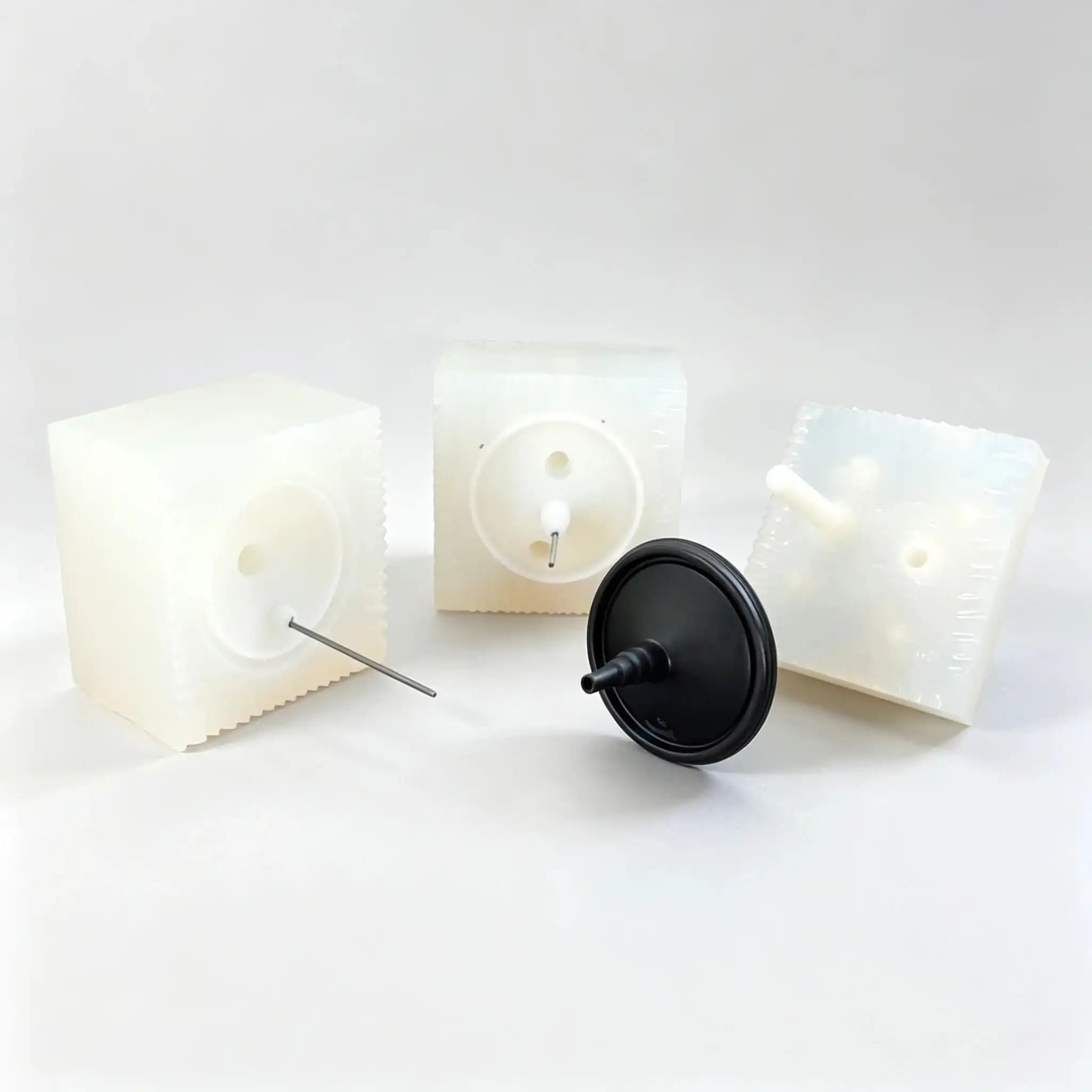
The right polyurethane casting material depends on more than appearance. Our engineers consider part geometry, required hardness, flexibility, impact resistance, surface finish, operating conditions, and expected production quantity before recommending a casting material.
Vacuum Casting Applications for Custom Parts
Vacuum casting applications extend from automotive and medical device prototypes to consumer electronics, industrial equipment, packaging, and robotics. SENSES MOLD produces production-like polyurethane vacuum cast parts for product development, functional validation, pilot builds, and selected low-volume applications.
Automotive
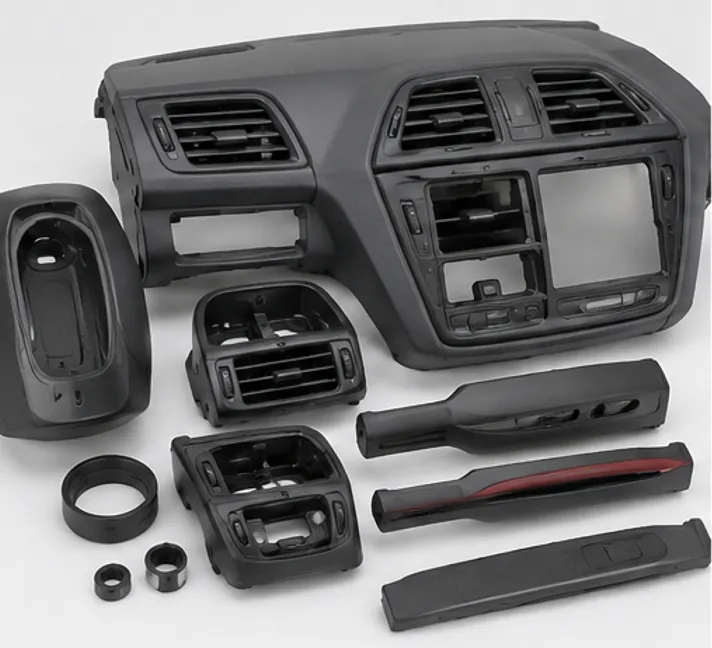
Automotive vacuum casting supports prototype parts, fit-and-finish evaluation, assembly trials, and functional testing before production tooling is committed.
Medical Devices
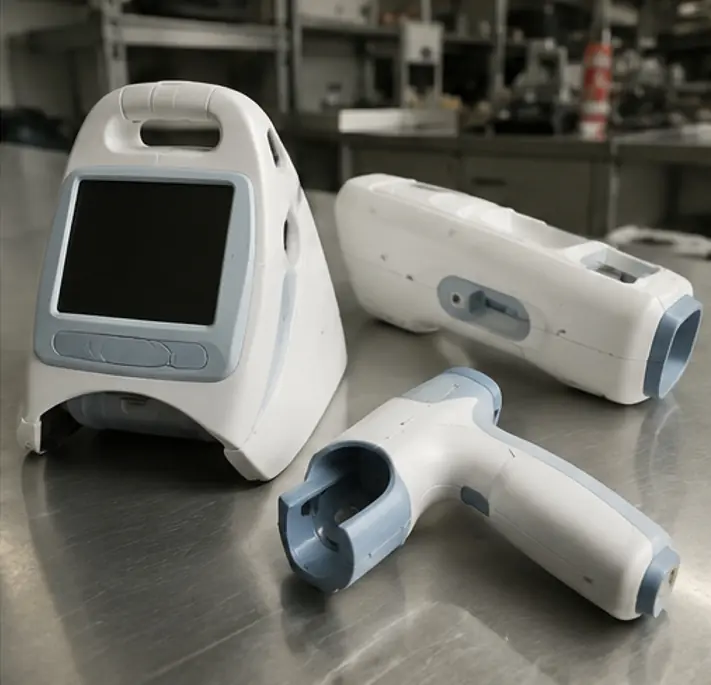
Medical device vacuum casting is used for equipment housings, handheld device prototypes, ergonomic evaluation, and appearance and assembly validation.
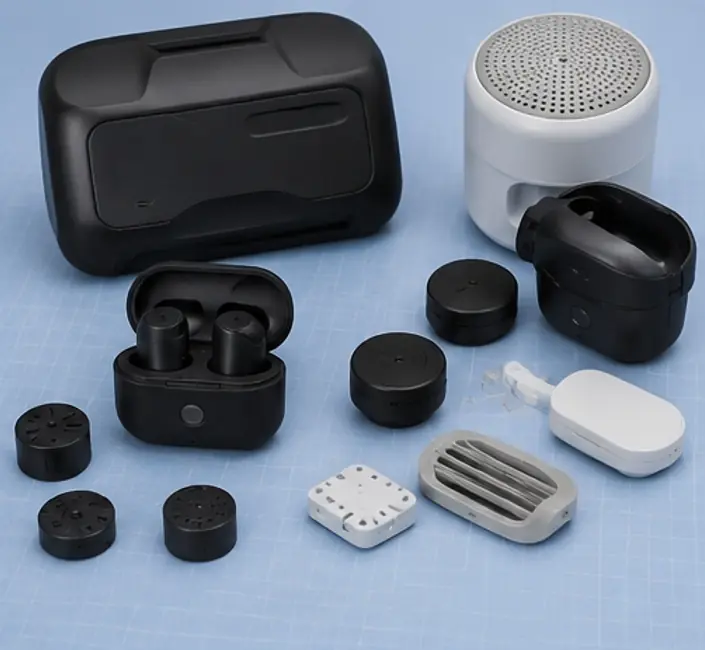
Consumer Electronics
Consumer electronics prototype casting provides realistic enclosures, covers, buttons, and housings for fit checks, appearance review, and functional product testing.
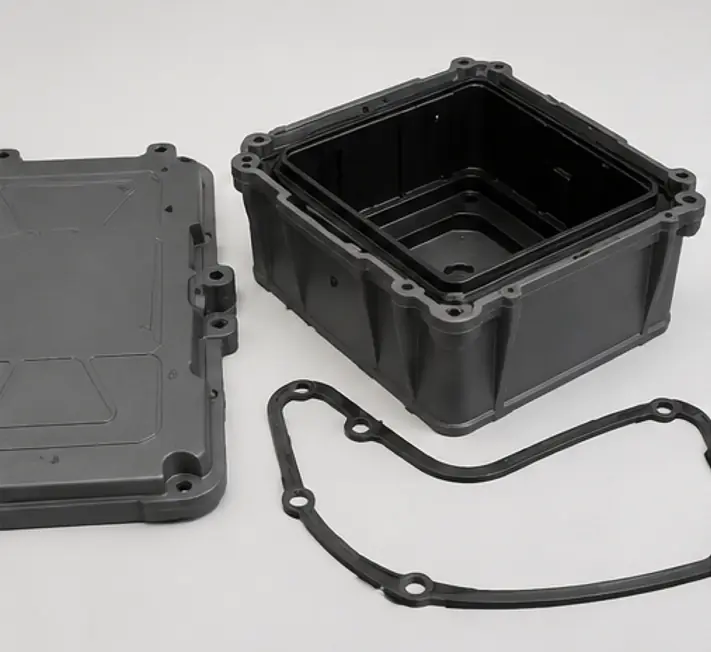
Industrial Equipment
Industrial vacuum cast parts are suitable for equipment housings, covers, control panels, and functional prototypes requiring production-like geometry and appearance.
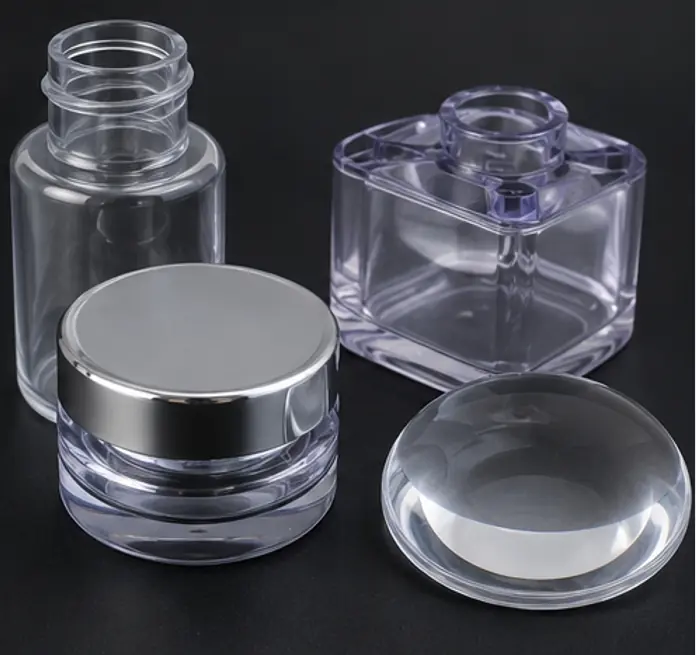
Consumer Products & Packaging
Cosmetic packaging vacuum casting helps brands evaluate product shape, appearance, color, texture, and assembly before larger production tooling is released.
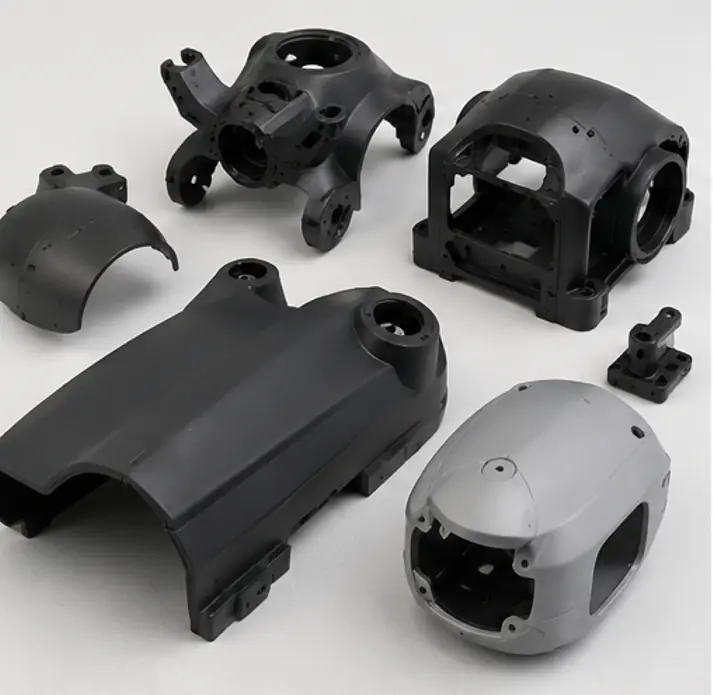
Robotics & Automation
Vacuum casting for robotics and automation provides lightweight housings, covers, and functional prototype parts for assembly testing and product development.
Need Vacuum Cast Parts for Your Application?
Send us your 3D CAD file, target quantity, material requirements, and application. Our engineers can review your project and recommend a suitable vacuum casting solution.
Why Choose SENSES MOLD for Vacuum Casting?
SENSES MOLD provides factory-direct vacuum casting for overseas OEM projects, combining engineering support, polyurethane casting, finishing, and inspection under one manufacturing team.
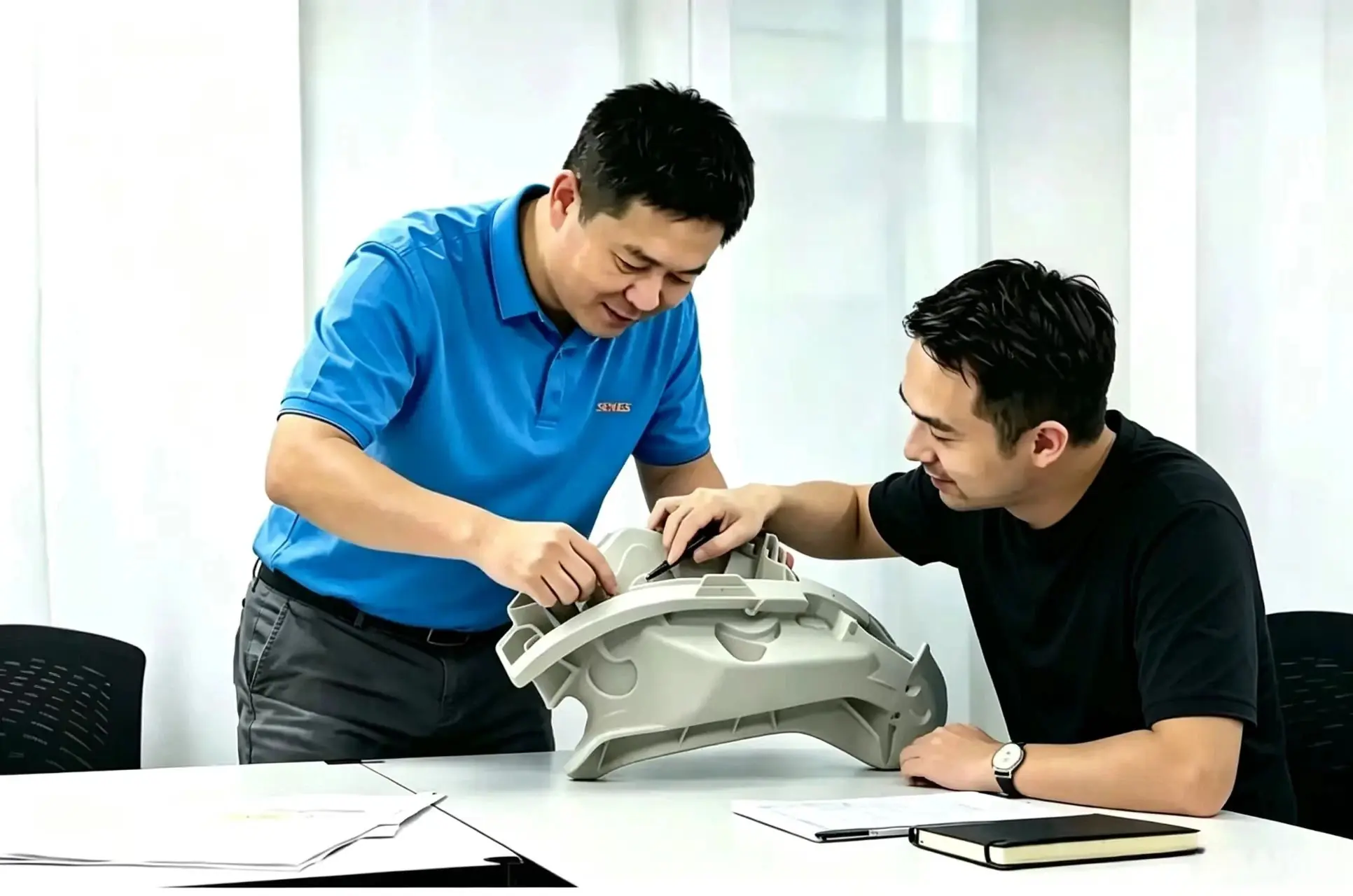
Factory-Direct Vacuum Casting
Work directly with our China manufacturing team instead of coordinating through a sourcing platform or multiple suppliers. Your vacuum casting project is managed directly with the factory responsible for production.
In-House Engineering Support
Our engineers review your 3D CAD data, part geometry, material requirements, mold approach, and production quantity before casting begins, helping identify potential manufacturing issues early.
Casting, Finishing & Inspection
Vacuum casting is supported by coordinated finishing and inspection, including trimming, surface finishing, painting, secondary machining, and dimensional checks according to your project requirements.
OEM Project Support
We support overseas OEM customers from quotation and engineering review through prototype builds, low-volume production, finishing, inspection, and shipment with direct project communication.
Ready to Start Your Vacuum Casting Project?
Send us your 3D CAD file, quantity, material requirements, and application. Our engineering team can review your project and prepare a suitable vacuum casting solution.
Vacuum Casting Manufacturing & Quality Control
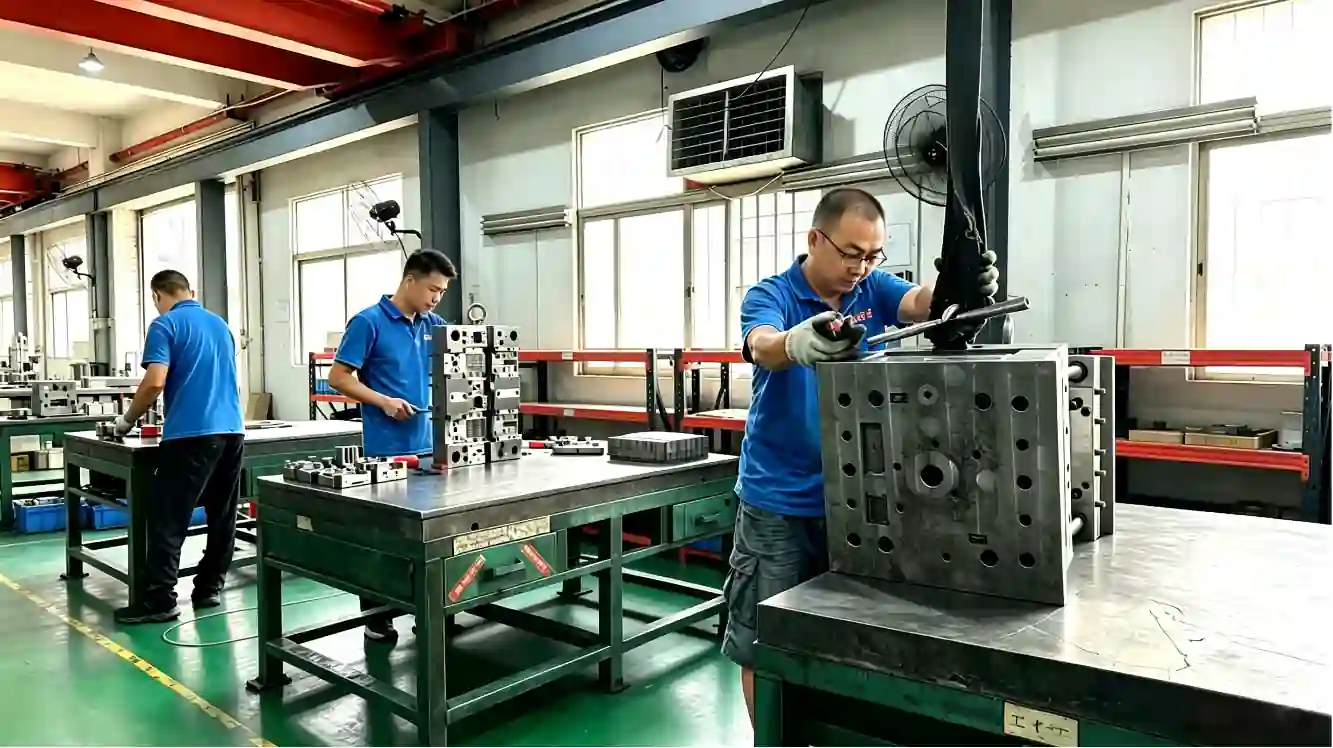
SENSES MOLD supports custom vacuum cast parts from silicone mold planning through polyurethane casting, finishing, and final inspection. Mold construction, secondary operations, and quality checks are selected according to your CAD drawings, material, appearance, quantity, and functional requirements.
Silicone Molds for Complex Vacuum Cast Parts
We plan silicone mold construction around part geometry, parting lines, cavities, inserts, and demolding risks. Suitable mold approaches include:
- Two-piece molds: straightforward parting and demolding.
- Multi-part molds: complex geometries requiring additional parting lines.
- Core and insert molds: internal cavities and hard-to-access features.
- Flexible undercut molds: features that benefit from silicone's flexibility during demolding.
Silicone formulation is selected for flexibility, tear resistance, dimensional stability, resin compatibility, and expected casting cycles; exact selection is project-dependent.
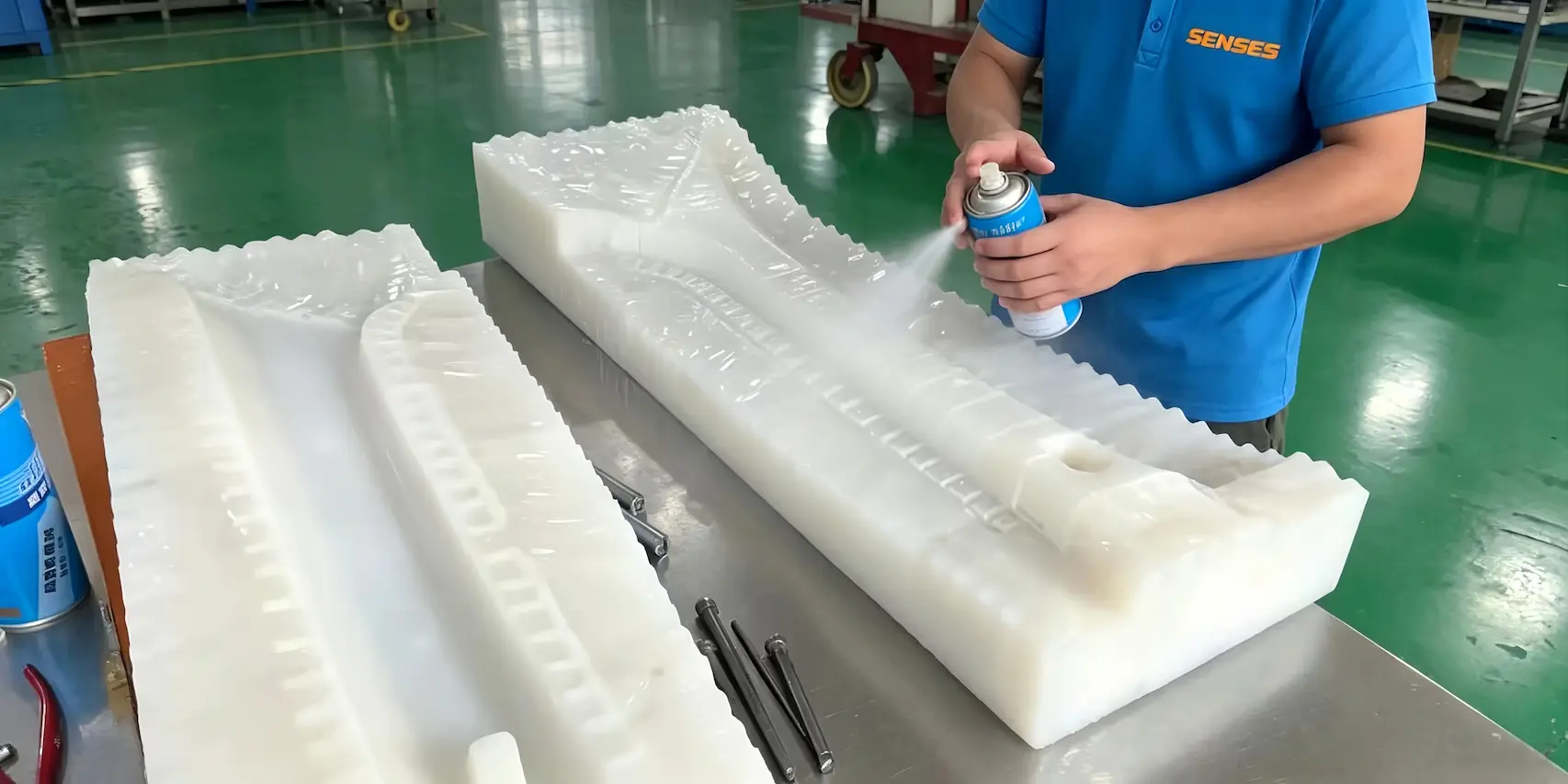
Vacuum Casting Finishing & Secondary Operations
After demolding, cast components can be finished to meet appearance, fit, and assembly requirements. Operations are specified for each part rather than applied to every project.
Trimming & Deflashing
Remove excess material, flash, and parting-line residue to prepare parts for inspection and assembly.
Sanding & Polishing
Adjust surface texture and gloss where required for functional prototypes or presentation parts.
Painting & Color Matching
Apply project-specified color and appearance finishes for display models and small-batch parts.
Secondary CNC Machining
Machine selected holes, mating faces, or mounting features when casting alone cannot meet the required fit.
Drawing-Based Vacuum Casting Inspection
Quality checkpoints are incorporated into production planning and final acceptance, with attention to the requirements that matter for each custom part.
- Before tooling: confirm CAD revision, material, critical dimensions, and appearance criteria.
- Before casting: review master pattern, mold condition, parting lines, gates, vents, and inserts.
- During casting: check resin identity and the specified mixing, degassing, curing, and demolding conditions.
- Before shipment: inspect agreed critical dimensions, surface appearance, quantity, finishing, and packaging.
Inspection scope and documentation are defined by the project drawing and quotation. Certification claims should be displayed separately only after current certificates and scope are verified.
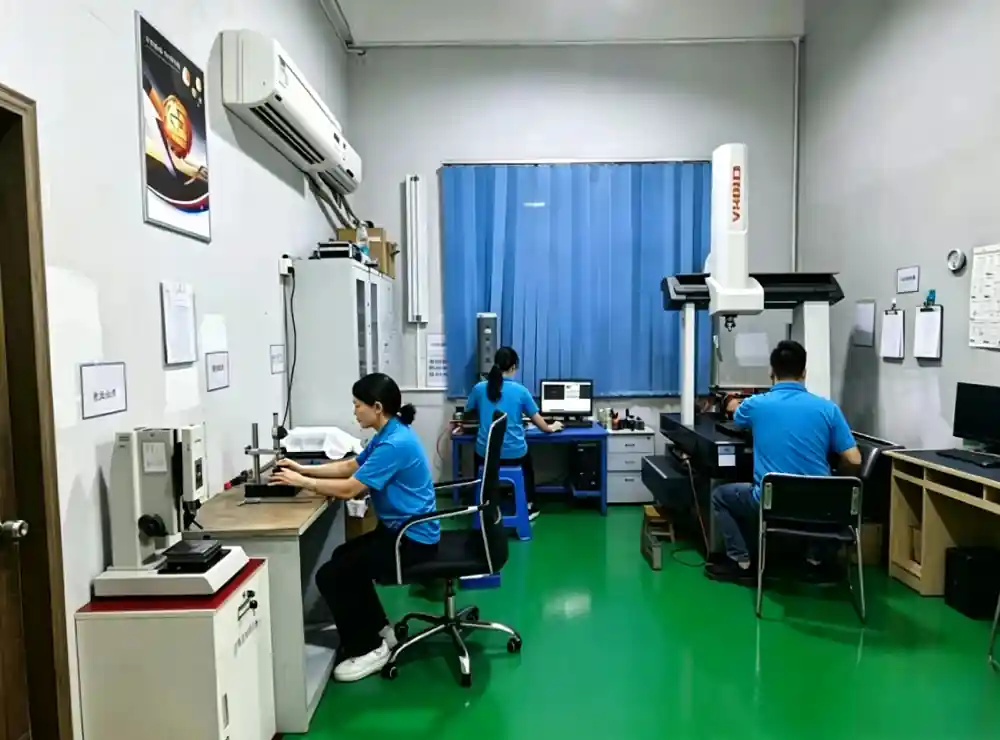
Get a Quote for Custom Vacuum Cast Parts
Share your 3D CAD file, quantity, material preferences, critical dimensions, and finishing requirements for engineering review.
Vacuum Casting Tolerances for Precision Parts
Vacuum casting can produce accurate, production-like parts when the master pattern, silicone mold, material, and casting process are properly controlled. Our engineers review your drawing requirements and critical dimensions before production.
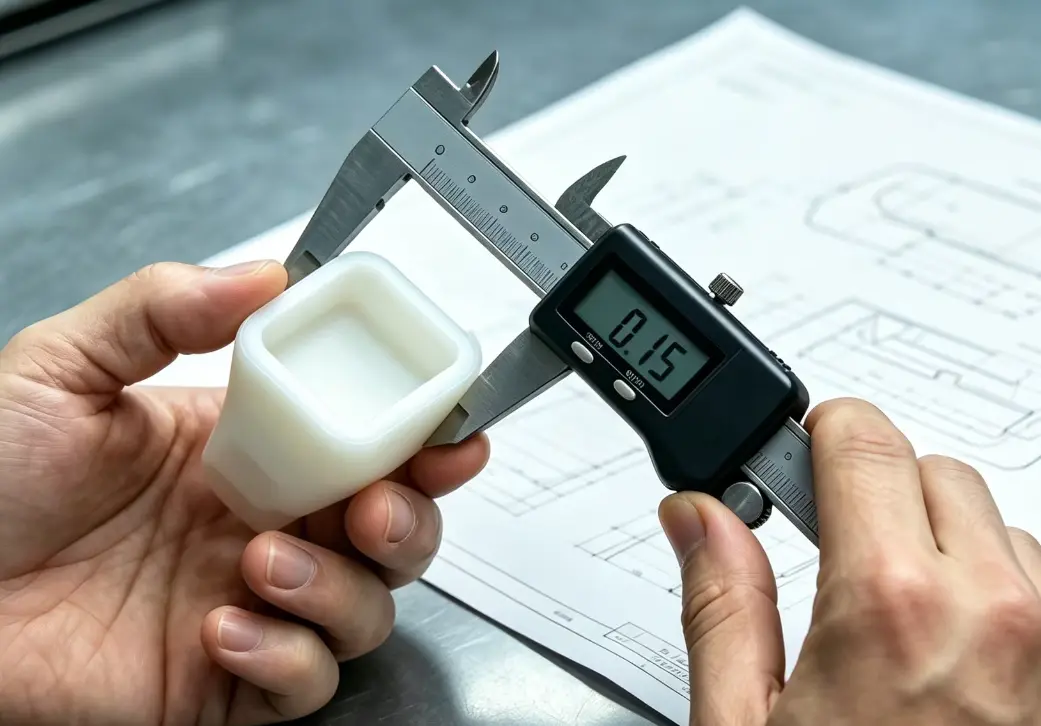
How Accurate Is Vacuum Casting?
Many vacuum cast parts can achieve around ±0.15–0.30 mm for typical dimensions, depending on part size, geometry, material, mold construction, and process conditions. Tighter tolerances may require additional engineering review or secondary machining.
At SENSES MOLD, critical dimensions are reviewed from the CAD model through master pattern, silicone mold, casting, and final inspection.
For Critical Features
Mating features, mounting holes, and other functional surfaces are reviewed separately. Where tighter accuracy is required, selected features can be finished by secondary CNC machining.
What Affects Vacuum Casting Tolerances?
Master Pattern
The master pattern establishes the dimensional reference for the final vacuum cast part. Our engineers review the CAD data and master pattern requirements before mold making.
Silicone Mold
Mold construction and silicone behavior can affect final part dimensions. Mold design is reviewed according to part geometry, demolding requirements, and expected casting quantity.
Part Geometry
Thin walls, deep cavities, undercuts, and complex features require additional dimensional consideration during mold and casting planning.
Material & Casting
Resin selection, curing behavior, and casting conditions influence dimensional consistency. Material and process requirements are reviewed before production.
Can Vacuum Casting Meet My Drawing Tolerances?
It depends on the required tolerance and part geometry. Our engineers review critical dimensions, mating features, mounting holes, and other functional areas before production. When tighter accuracy is required, selected features can be finished by secondary CNC machining.
How Vacuum Casting Supports More Than Prototyping
Vacuum casting can support more than a single prototype build. With custom silicone molds and polyurethane casting materials, SENSES MOLD produces repeat prototype parts, pilot and validation builds, and low-volume production parts for projects that require production-like polyurethane components in limited quantities.
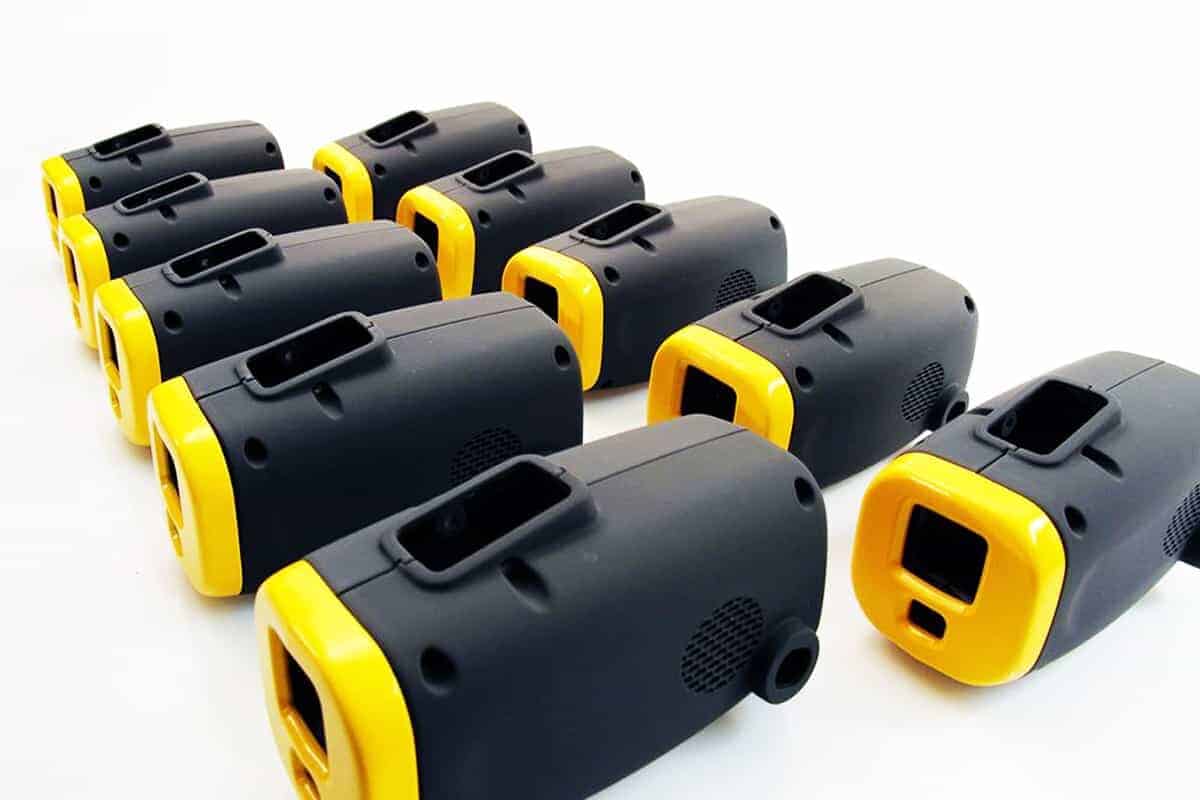
Repeat Prototype Builds
Need more than one prototype for engineering evaluation or customer review? A silicone mold can produce multiple polyurethane castings from the same master pattern. This makes vacuum casting prototyping practical for repeated design iterations, assembly trials, functional testing, and approval samples.
Pilot & Validation Builds
When your project moves beyond the first prototype, you may need a larger quantity of consistent parts for pilot builds, field testing, customer validation, or pre-launch preparation. Vacuum casting provides repeat polyurethane parts while the product is still being evaluated and refined.
Low-Volume Production
For quantities that are too high for one-off prototypes but still limited in volume, small batch vacuum casting production can provide finished urethane parts for early product launches, market testing, limited releases, and selected end-use applications.
Need Repeat or Low-Volume Vacuum Cast Parts?
Send us your 3D CAD file, required quantity, material requirements, and application. Our engineers can review your project and recommend a suitable vacuum casting solution.