
Custom Molding Tool Service

Factory-Direct Precision Tooling from Dongguan, China — Injection Mould, Die Casting Die, Stamping Die, Silicone Mould & Vacuum Casting & Thermosetting Mould

🔒 NDA Available   ·   ✓ No MOQ   ·   ✓ Free DFM  · ✈ Ships to 100+ Countries  ·   ✓ISO 9001:2015 & IATF 16949

Mould Tooling

20+

Years in Mold Tooling

500,000+

Shots Mould Life

±0.005 mm

Mould Tolerance

100+

Countries Served

Our Mold Tooling Services — One Factory, Complete Solution

Mould Tooling

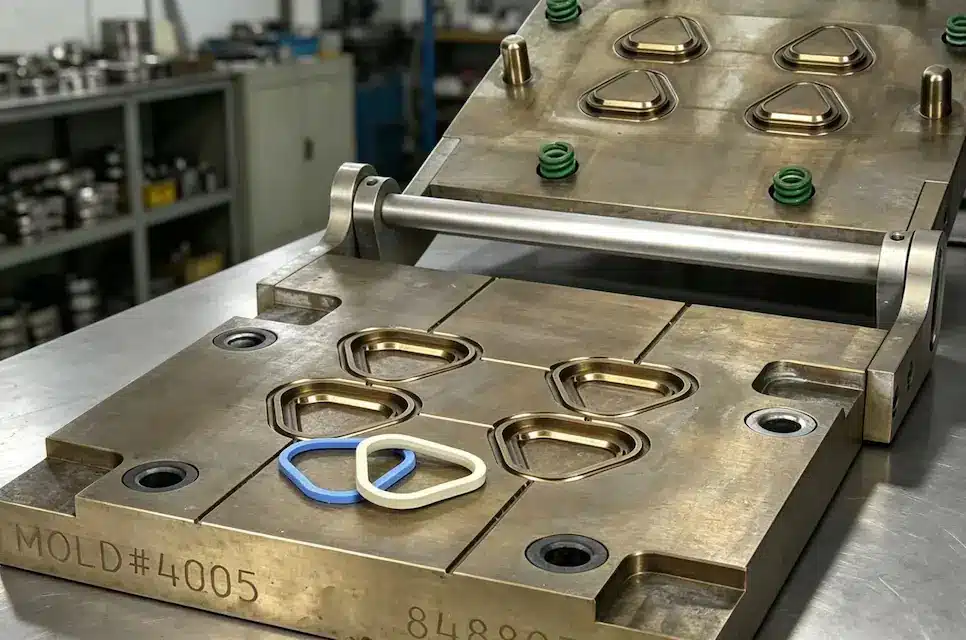
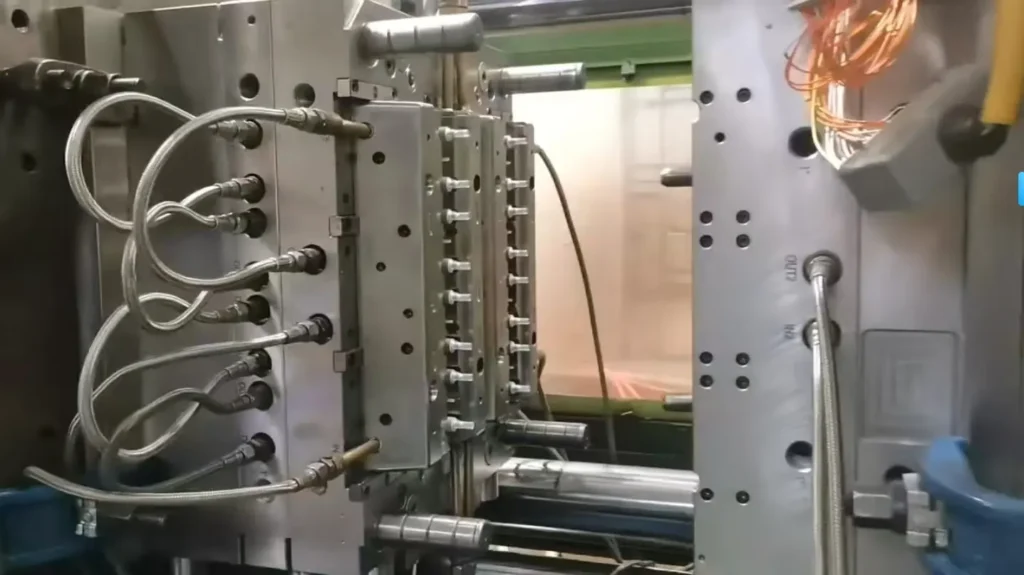
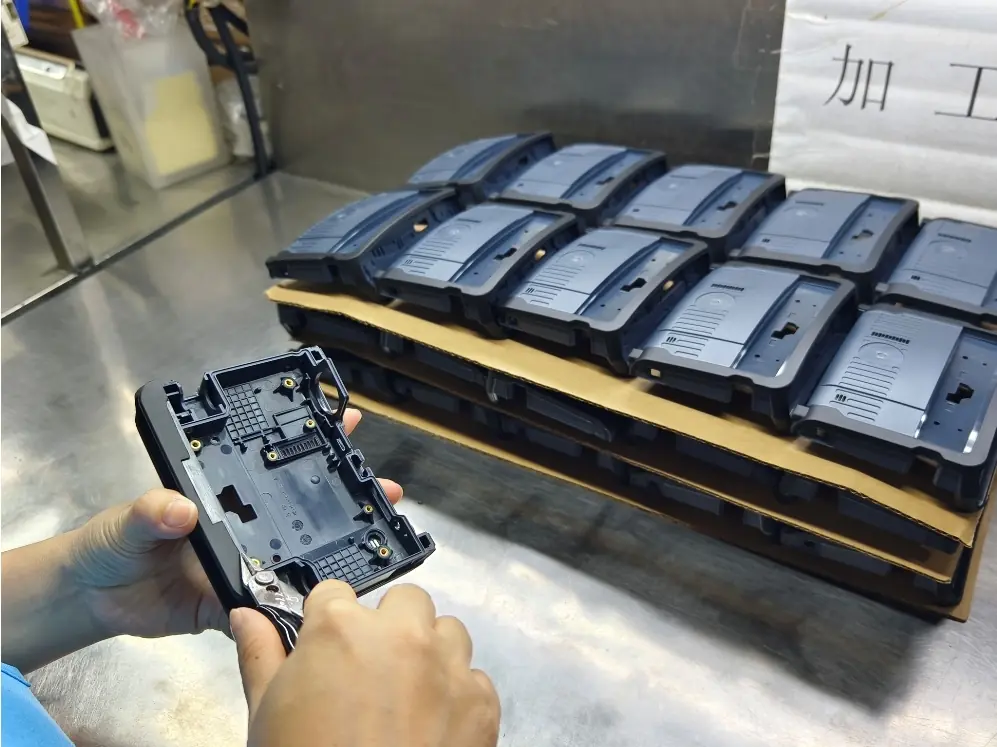
Senses Mold provides complete mould tooling solutions for prototype development, low-volume manufacturing, and mass production applications. As a factory-direct tooling manufacturer based in Dongguan, China, we specialize in plastic injection mould tooling, die casting tooling, stamping die tooling, silicone mould tooling, and vacuum casting soft tooling — serving global industrial customers across automotive, medical, electronics, and robotics sectors.

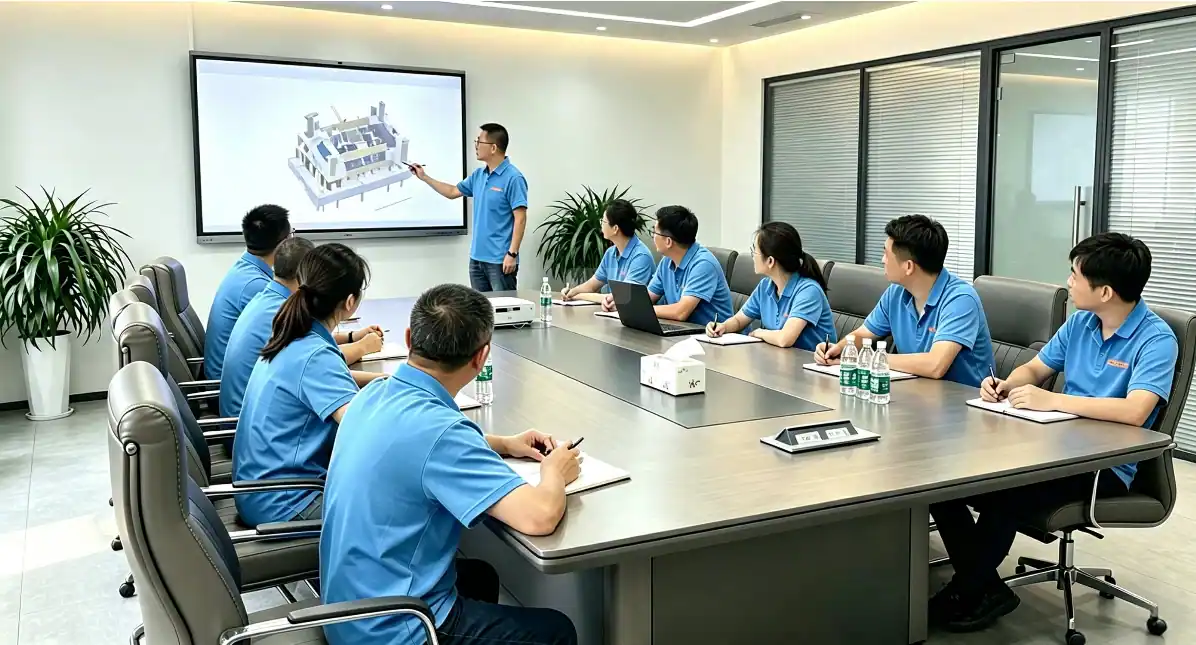
Our engineering team supports the entire tooling development process — including DFM analysis, mould flow optimization, tooling design, CNC machining, EDM processing, T1 sampling, and production validation — helping customers reduce tooling risks, shorten lead times to as few as 15 working days, and maintain manufacturing consistency across every production batch.

Plastics Injection Mold

Mould Tooling

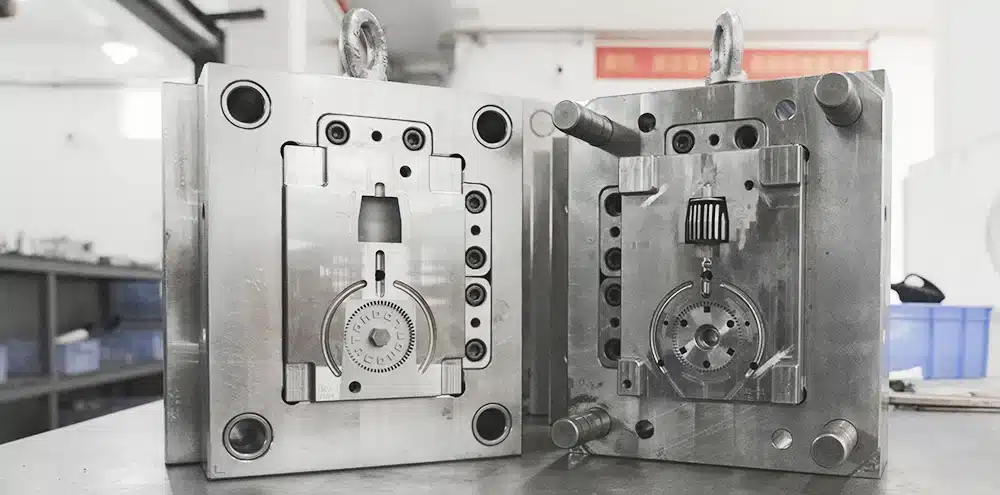
Custom injection moulds for thermoplastic parts, from single-cavity prototype moulds to high-volume multi-cavity production tooling. Supports over-moulding, insert moulding, hot runner systems, and gas-assisted injection moulding.

Die Casting Tooling

Mould Tooling

Precision die casting dies for aluminium, zinc, and magnesium alloy parts. Engineered for high-pressure die casting (HPDC) applications with tight flash control, stable dimensional consistency, and long tooling life under high-temperature operating conditions.

Stamping Die Tooling

Mould Tooling

Custom metal stamping dies for blanking, punching, bending, drawing, and progressive stamping operations. Suitable for high-volume sheet metal parts with consistent dimensional accuracy and minimal material waste across long production runs.

Rubber Mold

Mould Tooling

Precision rubber molds for rubber injection molding, compression molding, and transfer molding applications, supporting a wide range of elastomer materials including natural rubber, synthetic rubber, EPDM, NBR, and silicone-based rubber compounds.

Vacuum Casting & Soft Tooling

Mould Tooling

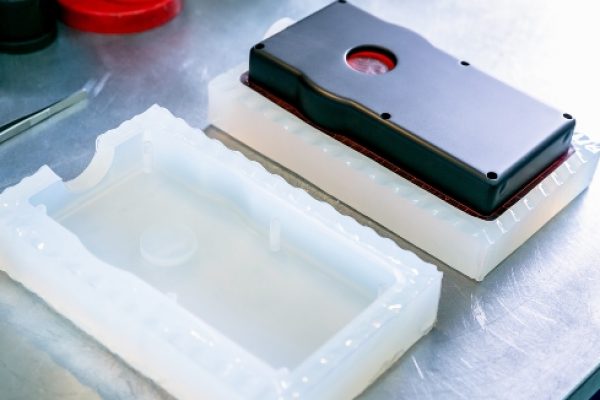
Vacuum casting uses a silicone master mould to produce low-volume urethane (PU resin) prototype parts without the cost and lead time of hard steel tooling. Ideal for design validation, functional testing, and small batch production runs of 5–50 units before committing to production mould investment.

Thermosetting Mold

Mould Tooling

Precision thermosetting moulds for BMC, SMC, epoxy, phenolic, and melamine materials. Engineered with precise temperature control, venting systems, and corrosion-resistant tool steel to handle the irreversible curing process under high heat and compression pressure.

Typical Challenges in Existing Tooling Mold Projects

In many tooling programs, the following challenges are commonly observed when design validation, process control, or communication systems are not fully optimized.

⚠️ Too Many Mould Defects — Sink Marks, Flash, Warpage & Short Shots

Mould defects are rarely a material problem — they’re almost always a design problem that wasn’t caught before steel was cut. Poor draft angles, uneven wall thickness, incorrect gate location, and inadequate cooling design all lead to defects that are expensive and time-consuming to fix after tooling is complete.

Senses Mold Solution: Every Senses Mold project begins with a free DFM (Design for Manufacturability) analysis before any tooling commitment. We review draft angles, wall thickness consistency, gate placement, parting line position, and potential sink or warp risks — identifying and resolving issues at the design stage, not after T1.

⚠️ Hidden Costs That Keep Rising After the Initial Quote

A low initial quote often hides the real cost of tooling — repeated mould modifications, additional trial shots, engineering change fees, and delayed delivery penalties add up quickly. Many customers find their final tooling cost is 30–50% higher than the original quote.

Senses Mold Solution: Senses Mold provides fixed-price quotations with a detailed breakdown covering mould design, steel specification, machining, surface treatment, and T1 sampling. Any engineering changes requested after order confirmation are communicated transparently with written approval before additional costs are incurred.

Mold Making Issues

⚠️ Repeated Mould Trials With No Clear End in Sight

T2, T3, T4 — every additional mould trial means more time, more cost, and more frustration. Repeated trials are usually the result of skipping proper DFM review, inadequate mould flow analysis, or insufficient pre-production engineering checks before the first trial shot.

Senses Mold Solution: Our pre-production checklist covers over 30 inspection points before T1 sampling begins — including dimensional verification of all mould components, cooling circuit pressure testing, and mould flow simulation review. Most projects achieve final part approval within T1 or T2, reducing total trial costs and accelerating your time to market.

⚠️ Delivery Delays With No Visibility Into Production Status

“It will be ready next week” — a phrase too many procurement managers know too well. Lack of production visibility, poor internal scheduling, and no dedicated project ownership are the root causes of the chronic delivery delays that plague offshore tooling projects.

Senses Mold Solution: Every project is assigned a dedicated English-speaking project manager with weekly milestone updates and progress photos — from DFM approval through T1 delivery. You always know exactly where your mould stands.

Why Choose Senses Mold for Custom Mold Tooling?

Twenty years of factory-direct mould tooling experience, backed by ISO 9001:2015 and IATF 16949 certification. Here is what that means for your next project.

Factory-Direct, No Middleman

Senses Mold operates a 3,000+ sqm in-house factory in Chang’an Town, Dongguan — one of China’s most established precision manufacAturing regions. Every mould is designed, machined, assembled, and inspected under one roof by our own engineering team. No subcontracting, no markup, no communication gaps between design and production.

3,000+ sqm Factory · 100% In-House Production · Dongguan, China

Free DFM Before You Commit

Before any tooling order is confirmed, our engineers perform a complete Design for Manufacturability (DFM) analysis at no charge — reviewing draft angles, wall thickness, gate location, parting line, cooling layout, and potential sink or warp risks. Issues caught at DFM stage cost nothing to fix. Issues caught after T1 cost time and money.

Free DFM on Every Order · 24–48 Hr DFM Report · No Commitment Required

Precision Tooling Standards, Every Mould

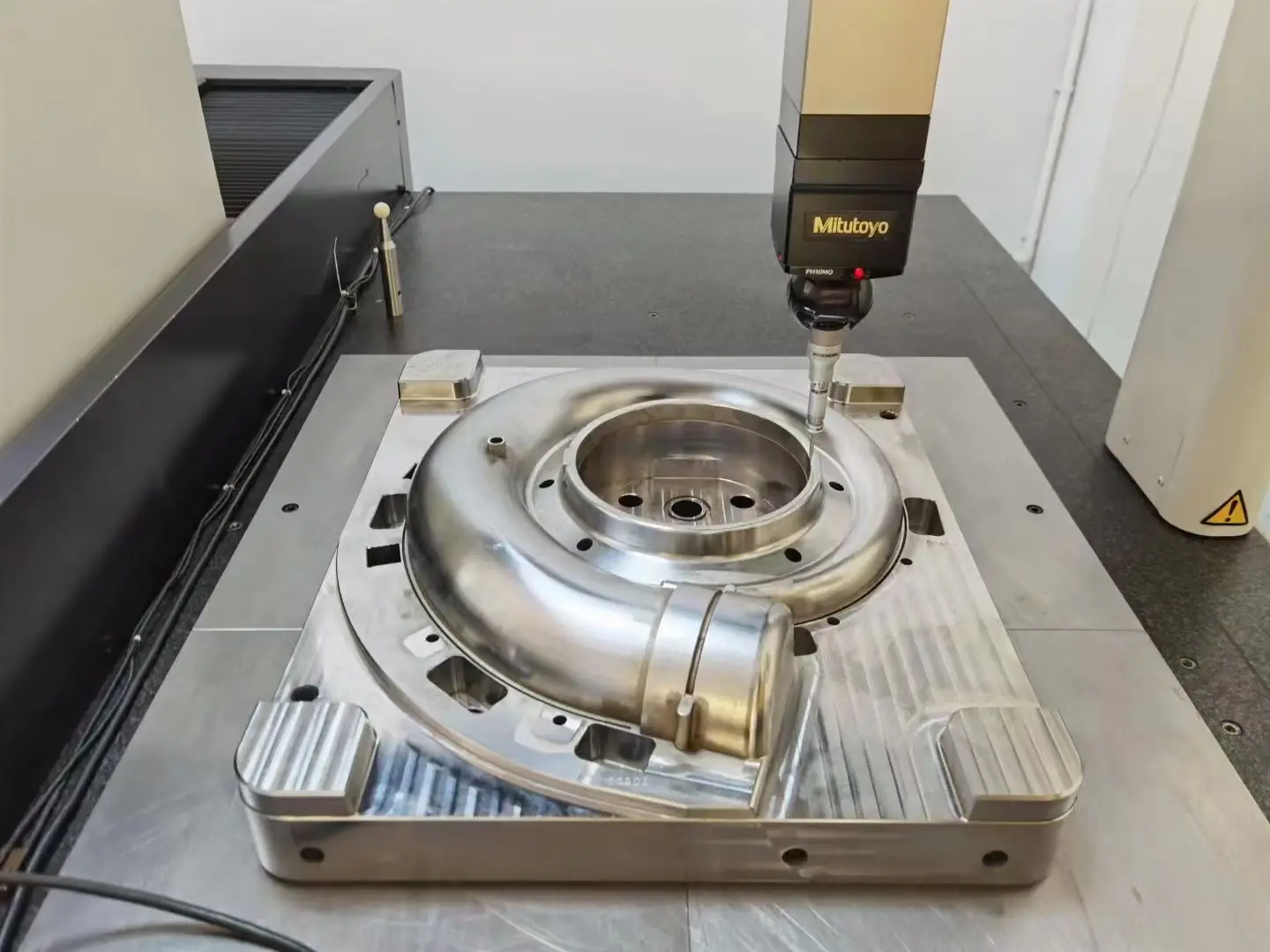
Our mould making workshop operates CNC machining centres, EDM, wire cutting, and precision grinding equipment to hold mould tolerances to ±0.05 mm. Every completed mould undergoes CMM dimensional inspection before T1 sampling — ensuring the mould meets specification before the first shot is taken.

Mould Tolerance ±0.005 mm · CMM Inspection · CNC + EDM + Wire Cutting

20+ Years Experience, Globally Certified

Since our founding, Senses Mold has delivered over 1,000,000 precision-manufactured parts to customers in 100+ countries across automotive, medical, electronics, robotics, and semiconductor industries. Our quality management system is certified to ISO 9001:2015 and IATF 16949, with full documentation including FAI reports, dimensional inspection records, and RoHS/REACH compliance declarations.

20+ Years · ISO 9001:2015 + IATF 16949 · 100+ Countries

Factory-Direct Mould Tooling vs Sourcing Platforms — Why It Matters

Not all mould tooling suppliers operate the same way. Understanding the difference between a factory-direct manufacturer and a sourcing platform or trading company can save you significant time, cost, and quality risk on every project.

FeatureSenses Mold (Factory-Direct)Sourcing Platform / Trading Company
Production100% in-house, own factoryOutsourced to third-party suppliers
PricingDirect factory price, no markupPlatform fee + supplier margin added
DFM AnalysisFree, provided by own engineersOften chargeable or skipped entirely
CommunicationDirect with mould engineerThrough sales agent or account manager
Quality ControlIn-house CMM inspection every mouldDependent on sub-supplier’s QC system
Mould ModificationHandled in-house, fast turnaroundRequires coordinating with sub-supplier
IP & NDA ProtectionNDA signed before quotation, files stay in-houseFiles shared with multiple third parties
Lead Time ControlFull milestone control, weekly updatesDependent on sub-supplier scheduling
CertificationsISO 9001:2015 + IATF 16949 (own factory)Platform certified, not the actual factory

Senses Mold is not a broker, agent, or sourcing platform. We own and operate our factory in Dongguan, China — every mould tooling project is manufactured, inspected, and shipped directly from our facility. Your files never leave our factory.

Mold and Tooling Steel Selection Guide — P20, H13, S136, NAK80, SKD61 & Aluminium

Choosing the right mould steel directly affects tooling cost, mould life, surface finish quality, and long-term production stability. The wrong steel selection is one of the most common causes of premature mould failure and unexpected tooling costs. Our engineering team recommends the optimal steel grade for every project based on production volume, part material, surface requirements, and operating environment.

Steel GradeHardness (HRC)Best ForMould LifeTypical Application
P2030–36General injection moulds300,000 shotsConsumer products, electronics housings
H1348–52High-temp / high-pressure moulds1,000,000+ shotsAutomotive parts, industrial components
S13648–52Corrosive materials / mirror finish1,000,000+ shotsMedical, optical, food-grade parts
NAK8037–43High-gloss appearance parts500,000 shotsConsumer electronics, cosmetic parts
840748–52Die casting dies100,000+ shotsAluminium / zinc die casting
Aluminium 7075Prototype & low-volume moulds5,000+ shotsDesign validation, pre-production samples

Recommended by our engineers based on 20+ years of mould tooling experience

When to Choose P20?

P20 is the most cost-effective option for general-purpose injection moulds with production volumes up to 300,000 shots. Pre-hardened and easy to machine, P20 is suitable for most standard thermoplastic materials and offers good polishability for non-critical surface finishes. Not recommended for corrosive materials such as PVC or for parts requiring mirror-grade surfaces.

When to Choose H13 or S136?

H13 is recommended for high-volume production moulds, hot runner systems, and applications involving high injection pressures or elevated mould temperatures — including most automotive and industrial parts. S136 stainless mould steel is the preferred choice for corrosive plastic materials (PVC, PC, flame-retardant grades), medical-grade parts, and any application requiring a mirror-grade or high-gloss surface finish with long-term corrosion resistance.

When to Choose Aluminium Tooling?

Aluminium 7075 prototype moulds offer the fastest lead time (7–10 working days) and lowest tooling cost for design validation and pre-production sampling. With a mould life of 5,000+ shots, aluminium tooling is ideal for functional testing and low-volume production runs before committing to full steel production tooling investment.

Mould Tooling Specifications & Precision Standards

Every mould tooling project at Senses Mold is held to defined precision standards across tolerance, surface finish, mould life, and lead time. The specifications below apply across all six mould tooling types we manufacture.

SpecificationStandardPrecision
Mould Tolerance±0.01 mm±0.005 mm
CNC Machining Tolerance±0.02 mm±0.005 mm
EDM Tolerance±0.02 mm±0.005 mm
Surface RoughnessRa 1.6Ra 0.4 (mirror polish available)
Mould Life — P20 Steel300,000 shots
Mould Life — H13 / S1361,000,000+ shots
Mould Life — Aluminium5,000+ shots
Injection Clamping Force45 tons (min)1,200 tons (max)
T1 Lead Time — Steel Mould15–40 working days
T1 Lead Time — Aluminium Mould7–10 working days
Quote Response TimeWithin 24 hours
DFM Report DeliveryWithin 24–48 hours

All dimensional inspections are performed using CMM (Coordinate Measuring Machine) equipment. First Article Inspection (FAI) reports, dimensional inspection records, and material certificates are provided with every mould tooling order. RoHS and REACH compliance documentation available upon request.

Our Molding Tooling Process — From DFM Review to T1 Sample Delivery

Every molding tooling project at Senses Mold follows a structured 8-step process with defined milestones and lead times. You receive a fixed project schedule at order confirmation — and weekly progress updates throughout production.

MOLD DFM REPORT 1

Step 1 — DFM Review & Quotation

⏱ 24–48 hours

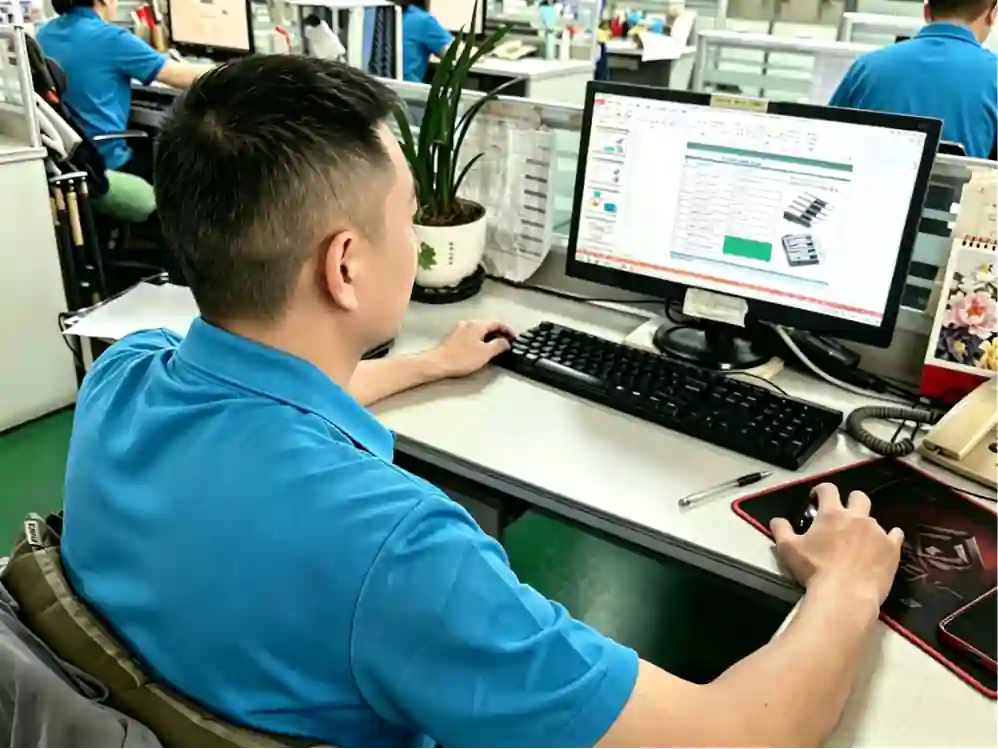
Send your 3D CAD file (STEP/IGES) or technical drawings. Our engineers perform a complete DFM analysis covering wall thickness, draft angles, gate location, parting line, and potential sink or warp risks — then deliver a detailed quotation with steel specification, lead time, and pricing breakdown.

Injection Mold Design

Step 2 — Mould Design & Engineering

⏱ 1–3 days

Our mould designers develop the complete 3D mould structure including cavity and core layout, cooling circuit design, runner and gate system, ejection mechanism, and hot runner configuration where applicable. Design files are shared with the customer for review and approval before machining begins.

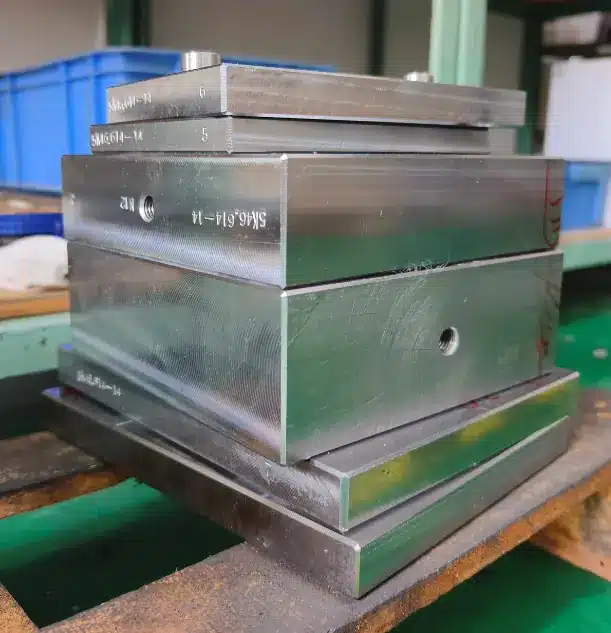
MOLD STEEL

Step 3 — Steel Procurement & Preparation

⏱ 1 day

Mould steel is sourced from certified suppliers based on the agreed specification — P20, H13, S136, NAK80, SKD61, or aluminium 7075. Steel certification documents are retained on file and available upon request. Raw steel blocks are cut and prepared for CNC rough machining.

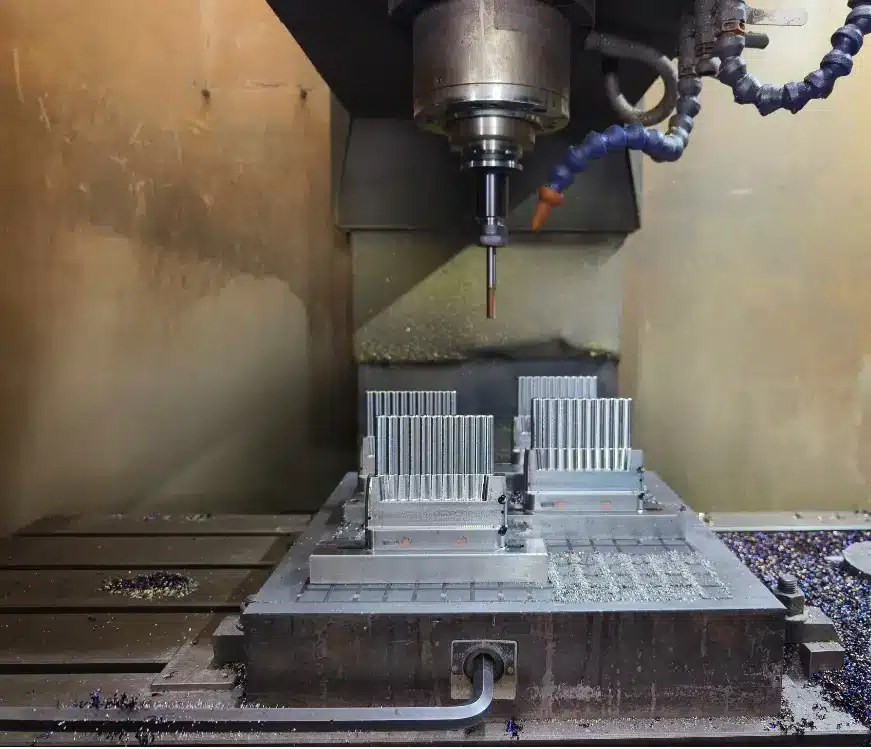
MOLD CNC MACHINING

Step 4 — CNC Rough & Semi-Finish Machining

⏱ 4–8 days

Cavity and core blocks undergo CNC rough machining and semi-finish machining to remove the majority of material and establish the primary mould geometry. Dimensional checks are performed at each stage to ensure machining accuracy before proceeding to precision finishing operations.

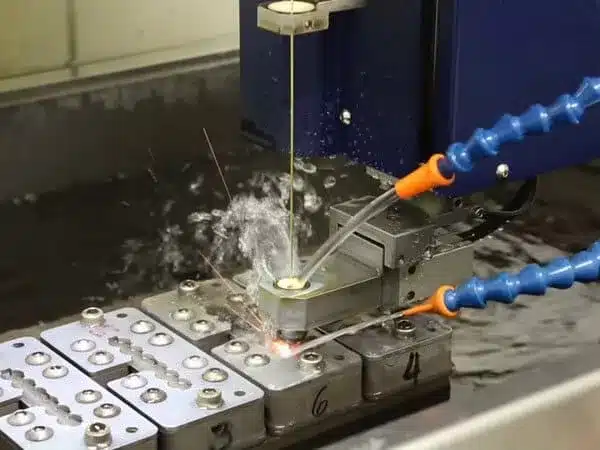
wire cutting

Step 5 — EDM & Wire Cutting

⏱ 2–4 days

Complex mould features, sharp internal corners, ribs, and fine details that cannot be achieved by CNC machining are processed using EDM (Electrical Discharge Machining) and wire cutting. EDM tolerances are held to ±0.02 mm for precision features.

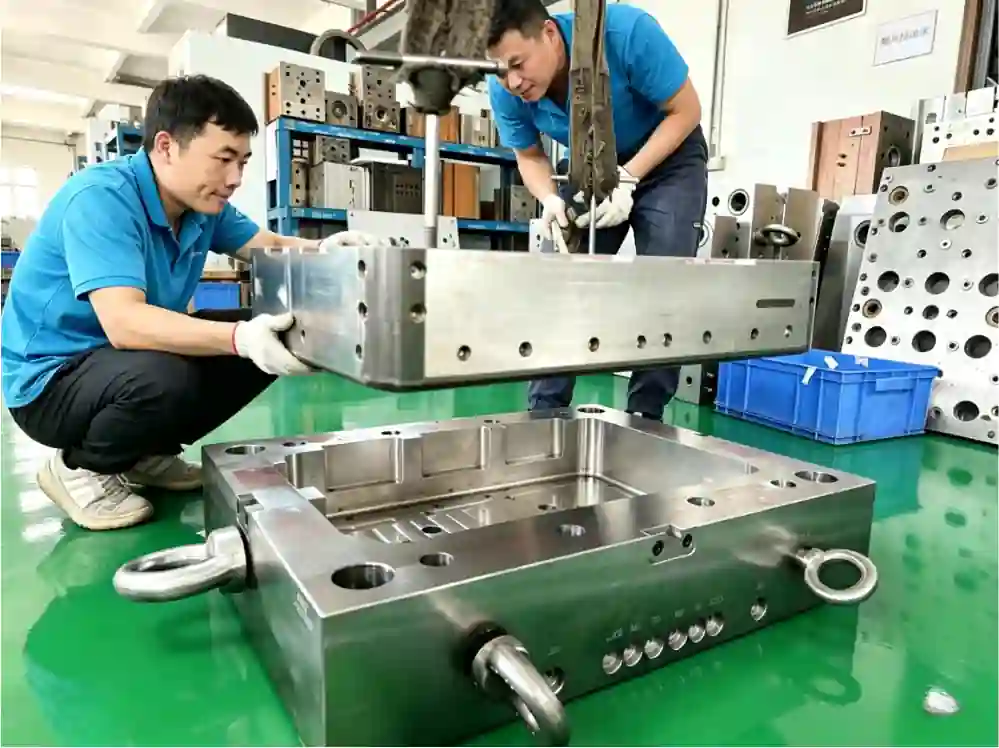
Mold Assembly

Step 6 — Mould Fitting & Assembly

⏱ 1–3 days

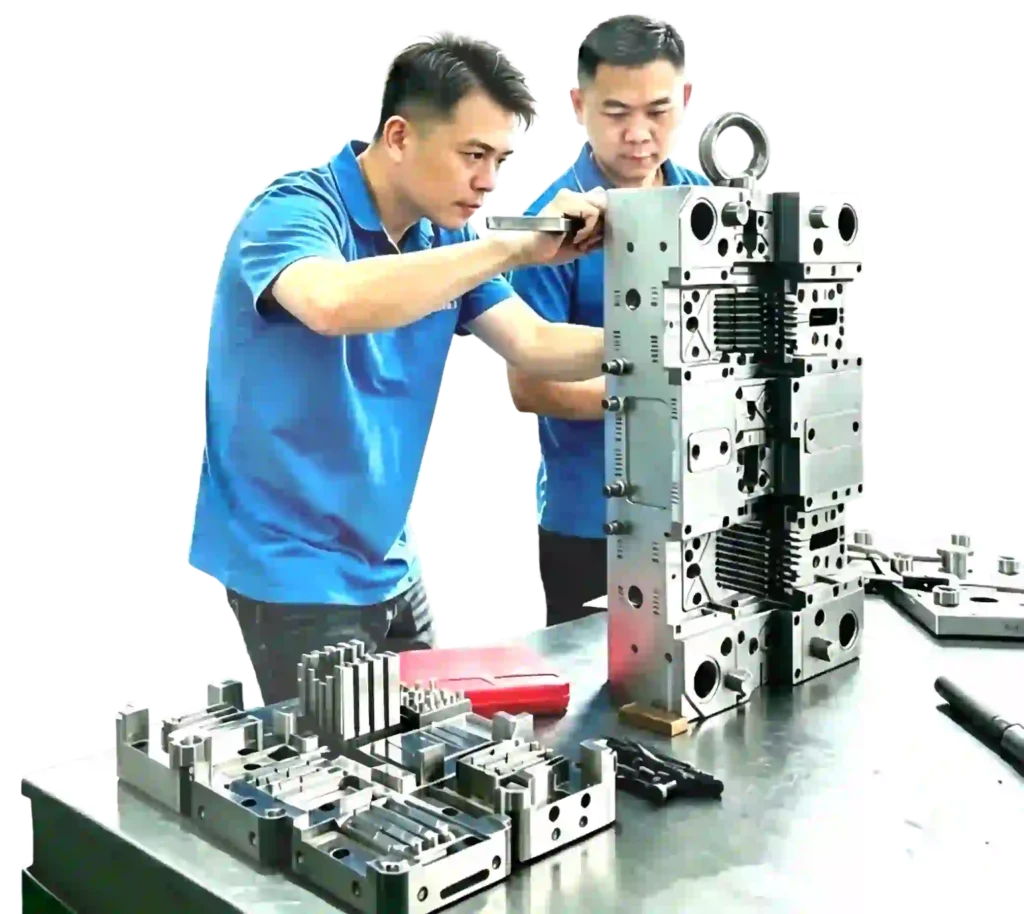
All mould components — cavity, core, slides, lifters, ejector pins, cooling inserts, and hot runner elements — are fitted, matched, and assembled by our senior mould fitters. Parting surfaces are hand-lapped to ensure proper sealing and flash prevention. Cooling circuits are pressure-tested before T1 trial.

Mold Trial for T1 samples

Step 7 — T1 Mould Trial

⏱ 1–2 days

The completed mould is mounted on the injection moulding machine for the first trial shot (T1). Trial parameters including injection pressure, melt temperature, cooling time, and ejection speed are optimised to produce representative sample parts. All T1 samples undergo full dimensional inspection using CMM equipment.

T1 sample ready to ship

Step 8 — T1 Sample Delivery

⏱ 3–5 days (international shipping)

T1 samples are shipped via DHL / UPS / FedEx with full documentation — including a First Article Inspection (FAI) report, dimensional inspection records, and material certificates. Upon customer approval, the mould is released for production. Any required modifications are addressed before final sign-off.

How Senses Mold Prevents Costly Mold Failures

Many mold suppliers focus only on manufacturing tooling. However, most production problems — such as sink marks, flashing, warpage, dimensional instability, short shots, or repeated mold modifications — usually begin long before production starts.

At Senses Mold, we approach every project from an engineering and mass production perspective. Our goal is not only to build molds, but to help customers reduce tooling risks, shorten development cycles, and achieve stable long-term production.

Engineering Risk Analysis

Prevent Problems Before Steel Cutting Starts

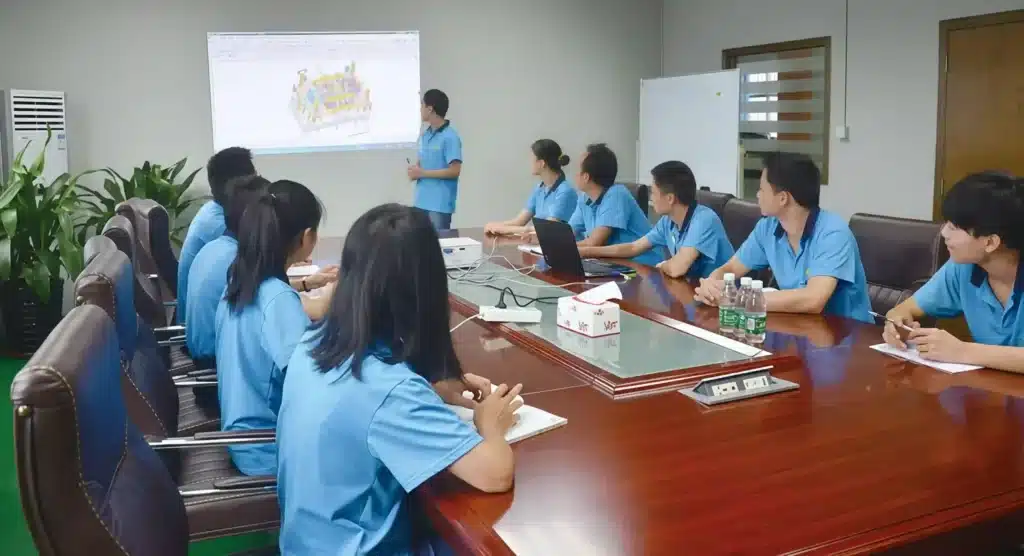
A successful mold begins with a rigorous engineering evaluation. Before tooling manufacturing, our engineering team carefully analyzes product structure, material behavior, manufacturability, and production feasibility to identify potential risks in advance.

We evaluate:

  • Wall thickness consistency
  • Part deformation and shrinkage risks
  • Gate location optimization
  • Cooling efficiency
  • Draft angle feasibility
  • Weld line positioning
  • Ejection balance
  • Surface finishing requirements
  • Assembly fitting tolerance
  • Multi-cavity filling balance

By detecting potential molding issues early, we help customers reduce:

  • Mold modification costs
  • Tooling trial iterations
  • Production delays
  • Cosmetic defects
  • Assembly problems
  • Mass production instability
Engineering Risk Analysis
Production-Oriented Mold Design

Production-Oriented Mold Design

Built for High-Performance Manufacturing

Unlike suppliers that only focus on mold completion, we design tooling specifically for stable mass production performance.

Our mold engineering standards focus on:

  • Long mold life
  • Stable cycle time
  • Easy maintenance
  • Consistent dimensional control
  • Automated production compatibility
  • Optimized cooling system performance

Production Stability Control

Quality Inspection Throughout Every Manufacturing Stage

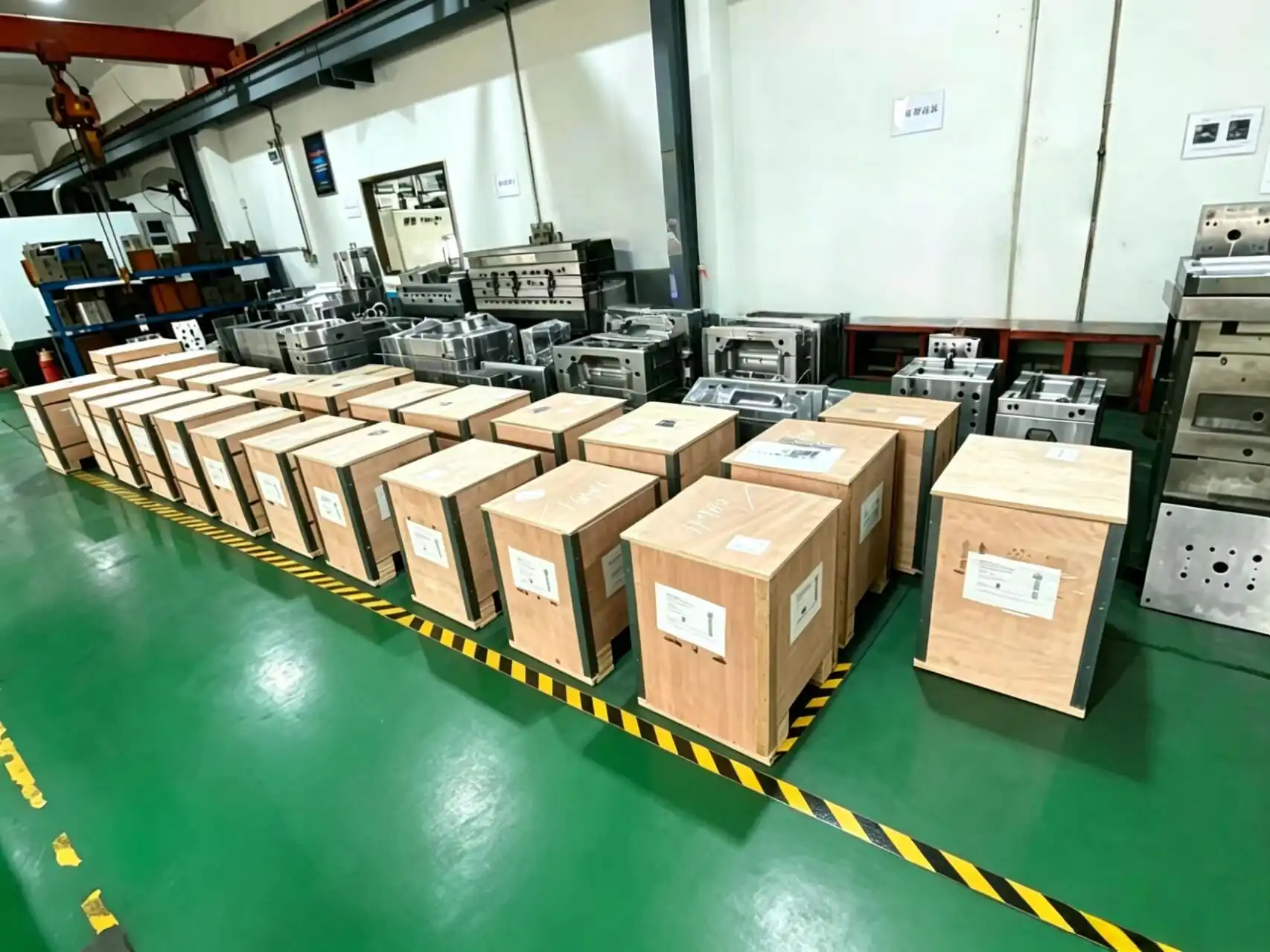
Senses Mold implements quality inspections throughout the entire mold manufacturing process — from raw material inspection to machining, electrode manufacturing, EDM processing, assembly, polishing, mold fitting, and mold trial validation. This allows potential issues to be identified and corrected before they affect production performance.

Our quality control system includes:

  • Incoming material inspection
  • CNC machining inspection
  • Electrode dimensional verification
  • Mold assembly inspection
  • Trial sample dimensional reports
  • Surface finish verification
  • Critical tolerance measurement
  • Final mold validation before shipment
Production Stability Control
Transparent Project Management

Transparent Project Management

Full Project Visibility from Start to Delivery

Every tooling project is managed by a dedicated project manager to ensure clear communication, fast response, and controlled project scheduling. Our structured project management process helps minimize communication gaps and keeps customers informed throughout every stage of production.

Customers receive:

  • Weekly project progress reports
  • Manufacturing photos and videos
  • Mold trial updates
  • Trial sample reports
  • Online mold trial support
  • Dimensional inspection reports
  • Shipping preparation updates

Comprehensive Mould Tooling Resource Guide

Practical guides, material comparisons, and engineering insights from our mould tooling team.

Mold Materials

P20 vs H13 Mould Steel: Which Should You Choose?

S136 vs NAK80: Best Steel for High-Gloss Injection Moulds

When to Use Aluminium Prototype Mould vs Steel Production Mould

How to Select Mould Steel Based on Production Volume

H13 vs SKD61 for Die Casting Tooling

Hard Chrome Plating for Thermosetting Moulds: When and Why

Mould Types & Processes

Injection Mould Tooling: Complete Beginner’s Guide

What is Die Casting Tooling and How Does It Differ from Injection Moulding?

LSR Mould Tooling: Everything You Need to Know

What is Vacuum Casting and When Should You Use It?

Progressive Die vs Compound Die: Key Differences Explained

Thermosetting Mould Tooling: BMC vs SMC vs Epoxy

Mould Design & DFM

What is DFM Analysis in Mould Tooling?

Top 10 Mould Design Mistakes That Lead to Defects

How to Design Draft Angles for Injection Moulding

Wall Thickness Guidelines for Plastic Injection Moulding

Hot Runner vs Cold Runner: Which is Right for Your Mould?

How Mould Flow Analysis Prevents Costly Tooling Errors

Frequently Asked Questions About Tooling Molds

Mould tooling refers to the complete engineering and manufacturing process of designing, machining, assembling, and validating a precision mould — including the selection of tool steel, cooling system design, runner and gate system, and ejection mechanism. Mould making is a broader term that describes the same process. At Senses Mold, we use "mould tooling" to emphasize the engineering precision and process control involved in every project, beyond simply cutting steel.

Standard steel injection mould tooling is completed in 15–40 working days from order confirmation to T1 sample dispatch. Aluminium prototype moulds are completed in 7–10 working days. Lead time varies based on mould complexity, number of cavities, steel specification, and surface finish requirements. A fixed milestone schedule is provided at order confirmation so you always know exactly where your project stands.

Prototype tooling (soft tooling) uses aluminium or lower-grade steel to produce a small number of sample parts — typically 5,000–10,000 shots — for design validation and functional testing before committing to full production investment. Production tooling uses hardened tool steel (P20, H13, S136) engineered for 500,000–1,000,000+ shots with consistent dimensional accuracy across high-volume production runs. Most customers start with aluminium prototype tooling to validate the design, then transition to steel production tooling for mass production.

Steel selection depends on production volume, part material, and surface finish requirements. P20 is the most cost-effective option for general-purpose moulds up to 500,000 shots. H13 is recommended for high-volume, high-temperature applications such as automotive and industrial parts. S136 stainless steel is preferred for corrosive materials (PVC, flame-retardant grades), medical-grade parts, and mirror-finish surfaces. NAK80 is selected for high-gloss consumer and electronics parts. Our engineering team recommends the optimal steel grade for every project based on your specific requirements.

Standard mould tolerance is ±0.10 mm for general applications. For precision mould tooling, we hold tolerances to ±0.05 mm using CNC machining, EDM, and wire cutting processes. CNC machining tolerance reaches ±0.01 mm for precision mould components. All completed moulds undergo CMM (Coordinate Measuring Machine) dimensional inspection before T1 sampling to verify that every mould component meets the specified tolerance.

Senses Mold has no minimum order quantity (MOQ) for mould tooling. We accept single-mould orders for prototype development as well as multi-cavity production tooling projects. Whether you need one aluminium prototype mould for design validation or a family of steel production moulds for mass production, we apply the same engineering standards and DFM process to every project regardless of order size.

Yes. In addition to plastic injection mould tooling, Senses Mold manufactures die casting tooling for aluminium and zinc alloy parts, stamping die tooling for sheet metal components, silicone mould tooling (LSR injection and compression moulding) for medical and food-grade applications, thermosetting mould tooling for BMC, SMC, and epoxy resin parts, and vacuum casting soft tooling for low-volume prototype production. All six mould types are manufactured in-house at our Dongguan factory.

Our free DFM (Design for Manufacturability) analysis covers draft angle review, wall thickness consistency, gate location and type, parting line position, cooling circuit feasibility, potential sink mark and warpage risks, undercut identification, and surface finish recommendations. The DFM report is delivered within 24–48 hours of receiving your 3D CAD file (STEP or IGES format) or technical drawings — before any tooling commitment is made.

Send your 3D CAD file (STEP or IGES format) or technical drawings using the quote form on this page. Include your preferred material, required tolerance, estimated annual production volume, and any surface finish requirements. Our engineering team will review your files, perform a free DFM analysis, and deliver a detailed quotation — including steel specification, lead time, and pricing breakdown — within 24 hours.

Start Your Next Tooling Project with Lower Risk

Send your drawings, 3D files, or samples today to receive:

  • Professional DFM feedback
  • Mold feasibility analysis
  • Cost optimization suggestions
  • Production risk evaluation
  • Fast quotation support

Partner with Senses Mold to achieve more stable production, faster development cycles, and reliable tooling performance.

Accepted file formats: STEP · IGES · STP · DWG · PDF · DXF. Response within 24 hours · English-speaking engineering team · Dongguan, China

Get your quote

Fill out the contact form below,  and you will get your quote within 24 hours.

Email: info@senseschina.com

WhatsApp: +8613790527236