
Custom Co Injection Molding Services
SENSES MOLD provides custom Co Injection Molding services for OEM customers requiring multi-material plastic components with improved functionality, optimized material usage, and reduced assembly requirements.
From material compatibility evaluation and DFM analysis to precision mold manufacturing, process validation, and high-volume production, we provide complete Co Injection Molding solutions from prototype development to mass manufacturing.
20+ Years | ISO9001 | IATF16949 | Prototype to Production
Multi-material plastic molding | Reduced Assembly | Stable Production | One-Stop Manufacturing |
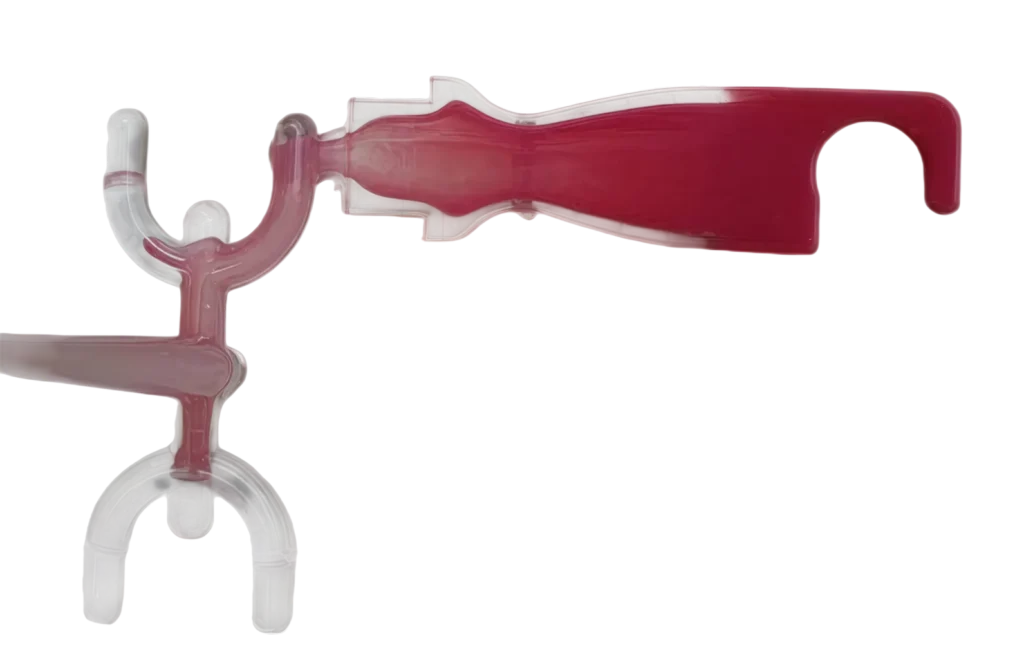
Co Injection Molding: Combining Multiple Materials into One High-Performance Component

What Is Co Injection Moulding?
Many products require different material properties within the same component. For example, a part may need a rigid structure for strength while also requiring a softer surface for grip, sealing, vibration control, or improved user experience.
Traditional manufacturing methods often require multiple components, secondary assembly, or additional processing steps, which can increase production complexity and cost.
Co Injection Molding provides a solution by combining two or more compatible materials into a single molded component through a controlled injection process.
During the Co Injection Molding process, different materials are injected into the mold in a controlled sequence. One material typically forms the outer skin layer, while another material creates the inner core layer, creating a multi-layer structure within one finished part.
This process is also known as sandwich injection molding because the material structure often resembles a sandwich configuration, with one material surrounding another.
How Co Molding Creates Multi-Material Parts
During the molding process, different materials are injected through separate injection units and controlled to form a designed material structure.
A selected surface material forms the outer layer for appearance, durability, or functional performance.
A second material fills the internal structure to provide strength, weight reduction, or cost optimization.
Both materials bond together inside the mold to create one integrated component without additional assembly.

Have You Selected Materials But Are Unsure If They Will Work Together?
Different plastics may have different shrinkage rates, processing temperatures, and bonding characteristics. Before investing in tooling, SENSES MOLD helps customers evaluate material compatibility and molding feasibility to avoid costly redesigns.
Why Choose Co Injection Molding for Your Product Design?
Traditional injection molding uses a single material, which may limit product performance, appearance, or cost optimization. Co Injection Molding allows engineers to combine different materials in one component to achieve better functionality and manufacturing efficiency.
Combine Multiple Material Advantages in One Component
Different materials can provide different functions within the same molded part. Examples:
- Rigid materials for structural strength
- Flexible materials for comfort or sealing
- Premium surface materials for appearance
Reduce Assembly and Improve Production Efficiency
Instead of producing multiple parts and assembling them afterward, Co Injection Molding integrates multiple material functions during the molding process. Potential benefits:
- Fewer components
- Reduced assembly operations
- Lower production complexity
Optimize Material Usage and Product Cost
High-performance materials are often expensive. Co Injection Molding allows engineers to place premium materials only where they are needed while using optimized core materials in other areas. This helps achieve a better balance between:
- Product performance
- Material consumption
- Manufacturing cost
Need Help Determining If Co Injection Molding Fits Your Product?
Choosing the right molding process depends on your material requirements, product structure, production volume, and performance goals. SENSES MOLD can review your design and recommend whether Co Injection Molding, Two Shot Injection Molding, or another multi-material molding solution is suitable for your project.
Our Co Injection Molding Manufacturing Process
A successful Co Injection Molding process requires precise control of material selection, mold design, injection sequence, and production parameters. Unlike conventional injection molding, multi-material molding requires engineers to carefully manage how different materials flow, bond, and perform inside the mold.
At SENSES MOLD, we provide complete Co Injection Molding solutions, including DFM analysis, material evaluation, mold manufacturing, trial production, quality validation, and mass production support.

1. Product Design Review & DFM Analysis
Before tooling begins, our engineering team reviews your product design to identify potential manufacturing challenges. We evaluate:
- Part structure and material requirements
- Wall thickness and draft design
- Material flow considerations
- Mold feasibility
- Production requirements
Goal:
Identify risks early and optimize the design before mold manufacturing.

2. Material Selection & Compatibility Evaluation
Choosing the right material combination is critical for Co Injection Molding success. Our engineers analyze:
- Material compatibility
- Bonding performance between materials
- Shrinkage differences
- Processing temperature
- Mechanical requirements
Goal:
Ensure different materials work together reliably during molding.

3. Co Injection Mold Design & Manufacturing
Co Injection Molding requires precise mold design to control material flow and layer distribution. Our tooling engineers focus on:
- Runner system design
- Gate location optimization
- Material flow balance
- Mold precision
- Cooling system design
SENSES MOLD provides integrated tooling support to ensure the mold is ready for stable production.
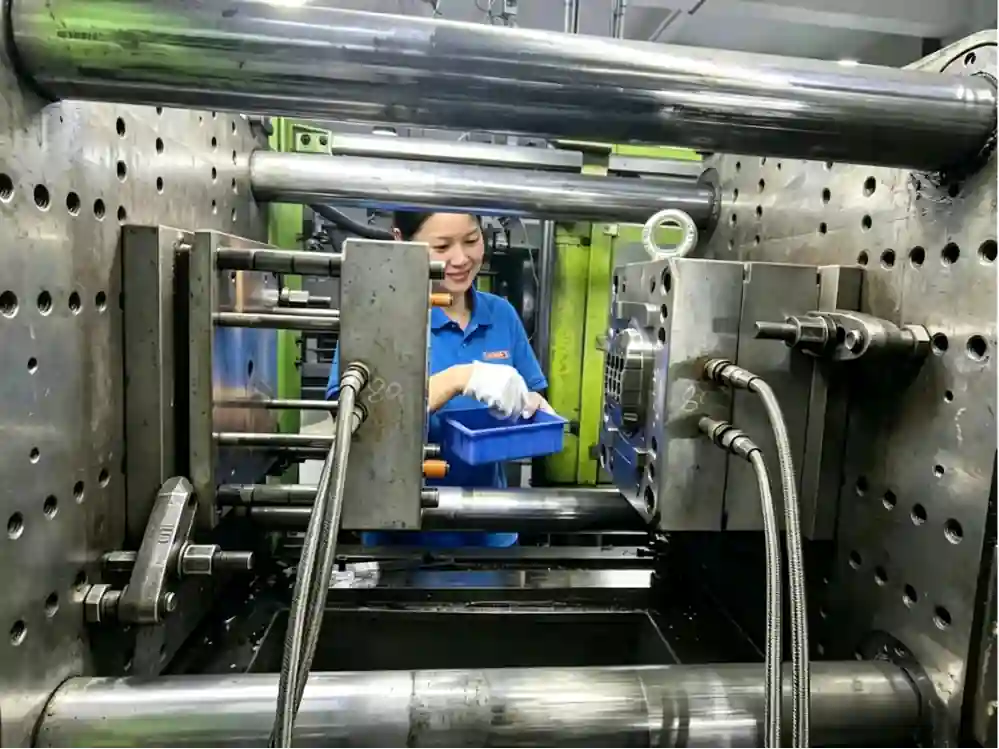
4. Trial Production & Process Optimization
During mold trials, we validate the interaction between materials and molding parameters. Key checks include:
- Material distribution
- Bonding quality
- Surface appearance
- Dimensional accuracy
- Process stability
Our team adjusts molding parameters and tooling details to achieve consistent part quality.

5. Prototype Validation & Production Approval
Before full-scale manufacturing, prototype parts are produced to verify product performance and manufacturing feasibility. Validation includes:
- Dimensional inspection
- Appearance evaluation
- Material bonding verification
- Functional testing
- Customer approval support
Goal:
Confirm the part meets design requirements before moving into mass production.

6. Quality-Controlled Mass Production
After successful validation, production moves into controlled manufacturing with consistent process monitoring. SENSES MOLD supports:
- Low-volume production
- High-volume manufacturing
- Repeat production programs
- Continuous quality control
Need A Complete Co Injection Molding Solution?
From initial design review to final production, SENSES MOLD helps customers reduce manufacturing risks and develop reliable multi-material plastic components.
Co Injection Molding Materials & Material Compatibility
Material selection plays an important role in insert molding performance. The right plastic resin affects insert retention, dimensional stability, mechanical strength, temperature resistance, and long-term reliability.
At SENSES MOLD, we support a wide range of plastic insert molding applications using standard thermoplastics, engineering plastics, and soft


Common Materials Used in Co Injection Molding
Engineering Plastics
Engineering plastics are selected for structural performance, dimensional stability, and durability.
Common Materials Used in Co Injection Molding
Flexible Materials
Flexible materials are often combined with rigid plastics to improve product functionality and user experience.
Common Material Combinations
| Material Combination | Typical Applications |
|---|---|
| ABS + PC | Electronic housings and structural components |
| PP + TPE | Automotive interior parts and grip components |
| PC + ABS | Appearance-focused plastic components |
| Engineering Plastic + Elastomer | Industrial and functional parts |
Need Help Selecting The Right Material Combination?
Choosing materials for Co Injection Molding requires more than comparing resin properties. Our engineers consider: Product function & Operating environment & Mechanical requirements & Production volume & Cost targets。
SENSES MOLD can help evaluate your material options and recommend a practical solution before tooling development.
Co Injection Molding vs Other Multi-Material Molding Processes
Different multi-material molding processes can achieve similar goals, but each method is designed for different product requirements. Choosing between Co Injection Molding, Two Shot Injection Molding, and Overmolding depends on factors such as material structure, product function, production volume, and design requirements.
At SENSES MOLD, our engineering team evaluates your product requirements and recommends the most suitable molding solution before tooling development.

Co Injection Molding
Co Injection Molding combines two or more compatible materials through controlled injection sequences to create a single component with different material layers. Typical structure:
Skin Material + Core Material + Skin Material
Advantages:
✓ Combine different material properties in one component
✓ Optimize material usage
✓ Reduce assembly requirements
✓ Improve product performance and cost efficiency。
Suitable Applications:
- Automotive components
- Structural plastic parts
- Lightweight components
- Cost-optimized plastic products

Two Shot Injection Molding
Two Shot Injection Molding uses two separate injection stages to create different material zones within the same molded component. Compared with Co-Injection Molding, materials are usually positioned in specific areas rather than forming a core and skin layer structure.
Advantages:
✓ Precise material placement
✓ Multi-color molding capability
✓ Hard and soft material integration
✓ Improved product appearance
Suitable Applications:
- Consumer products
- Electronic components
- Ergonomic handles
- Decorative plastic parts

Overmolding
Overmolding involves molding one material over an existing substrate or component to add additional functionality. Common purposes:
- Soft-touch surfaces
- Improved grip
- Sealing performance
- Shock absorption
Advantages:
✓ Enhanced user experience
✓ Better product protection
✓ Improved handling comfort
Suitable Applications:
- Tool handles
- Medical devices
- Wearable products
- Protective components
Not Sure Which Multi-Material Molding Process Fits Your Product?
Share your product design with our engineering team.
We can evaluate whether Co Injection Molding, Two Shot Injection Molding, or Overmolding is the right solution for your application.
Co Injection Molding Design & Engineering Considerations
Key Engineering Considerations For Reliable Co Injection Molding
A successful Co Injection Molding project depends on more than selecting two materials. SENSES MOLD engineers evaluate product structure, material behavior, mold design, and processing conditions before tooling begins to improve production reliability and part performance.
Material Compatibility & Bonding Performance
The compatibility between different materials directly affects the bonding strength and long-term reliability of Co Injection Molded parts. Our engineers evaluate:
- Material compatibility
- Chemical bonding performance
- Processing temperature differences
- Shrinkage characteristics
Proper material selection helps prevent:
- Material separation
- Weak bonding
- Reduced product durability
Skin & Core Layer Design
The distribution between skin and core materials plays an important role in Co Injection Molding performance. During design review, we analyze:
- Skin/core thickness ratio
- Material flow behavior
- Functional requirements
- Weight and cost optimization
Proper layer design helps achieve:
- Better material performance
- Reduced material cost
- Improved product consistency
Mold Design & Flow Control
Co Injection Molding requires precise mold design to control multiple material flows during injection. Our tooling engineers focus on:
- Gate location optimization
- Runner system design
- Material flow balance
- Cooling system design
Proper mold design helps reduce:
- Uneven material distribution
- Warpage
- Appearance defects
- Production instability
Process Optimization & Production Reliability
Stable Co Injection Molding production requires accurate control of molding parameters and process conditions. Our team evaluates:
- Injection sequence
- Pressure and temperature settings
- Trial molding results
- Dimensional consistency
This helps improve:
- Production repeatability
- Part quality
- Manufacturing efficiency
Need Engineering Support Before Starting Your Co Injection Molding Project?
Many Co Injection Molding issues can be prevented during the early design stage. SENSES MOLD provides DFM analysis, material recommendations, and tooling guidance to help customers develop reliable multi-material plastic components.
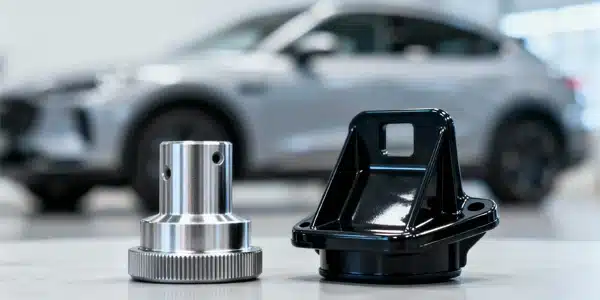
Automotive
Multi-material plastic components requiring strength, lightweight design, and improved interior performance.
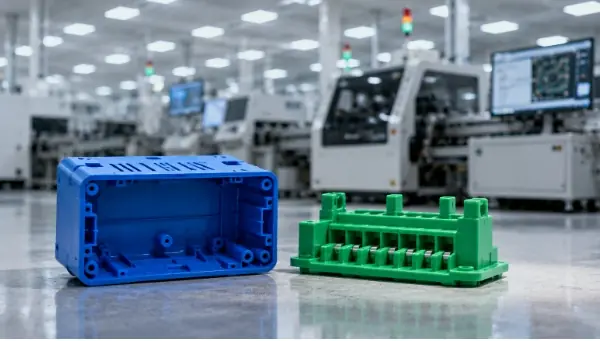
Electronics
Plastic components combining structural support, appearance, and user experience.

Medical Devices
Precision insert molded components requiring dimensional stability and reliable performance.
Industrial Equipment
Durable plastic components with metal inserts for mechanical strength and assembly efficiency.

Consumer Products
Products requiring improved appearance, comfort, and integrated multi-material functions.
Wearable Devices
Lightweight components combining comfort, protection, and functional performance.
Co Injection Molding Applications
Multi-Material Plastic Solutions For Automotive, Electronics, Medical, and Consumer Products
Co Injection Molding is widely used for products requiring multiple material properties within a single component.
By combining rigid and flexible polymers, manufacturers can achieve improved functionality, reduced assembly requirements, better product appearance, and optimized manufacturing efficiency.
At SENSES MOLD, we support custom Co Injection Molding solutions for prototype development and mass production across various industries.
Don’t See Your Industry or Product Listed?
Every application has different requirements for materials, performance, and production volume. SENSES MOLD helps customers evaluate product designs, select suitable material combinations, and develop reliable Co Injection Molding solutions from prototype to mass production.
Our Co Injection Molding Capabilities
Technical Capabilities For Custom Multi-Material Plastic Components
SENSES MOLD provides custom insert molding services for plastic components integrated with metal inserts, supporting prototype development, tooling validation, and production manufacturing. The following are general insert molding capability guidelines:

| Capability | Description |
|---|---|
| Machine Range | 50T – 1,200T injection molding machines |
| Production | Prototype, low-volume, and mass production |
| Development | DFM, tooling, mold trial, validation |
| Materials | ABS, PC, PC/ABS, PP, PE, PA, PBT, TPE, TPU, Silicone |
| Molding Process | Co Injection Molding, Multi-Material Injection Molding |
| Tooling Support | Mold design, flow analysis, process optimization |
| Precision Control | Tight tolerance molding based on requirements |
| Quality System | ISO 9001 & IATF 16949 |
| Inspection | CMM, optical inspection, dimensional testing |
Need To Confirm Your Co Injection Molding Requirements?
Share your CAD files, material requirements, and production targets with our engineering team. We can evaluate your design feasibility and recommend the right molding approach for your project.
Co Injection Molding Quality Control & Validation
Ensuring Stable Multi-Material Performance From Trial Production To Mass Manufacturing
Co Injection Molding requires precise control of material flow, bonding performance, dimensional accuracy, and production parameters. At SENSES MOLD, we apply systematic quality control throughout mold trials and mass production to ensure consistent performance of multi-material plastic components.

Mold Trial & Process Validation
Before mass production, we validate the complete molding process, including:
- Material flow performance
- Skin/core layer distribution
- Material bonding quality
- Part appearance
Supporting:
- T0 sample review
- T1/T2 optimization
- Production approval
Material & Bonding Verification
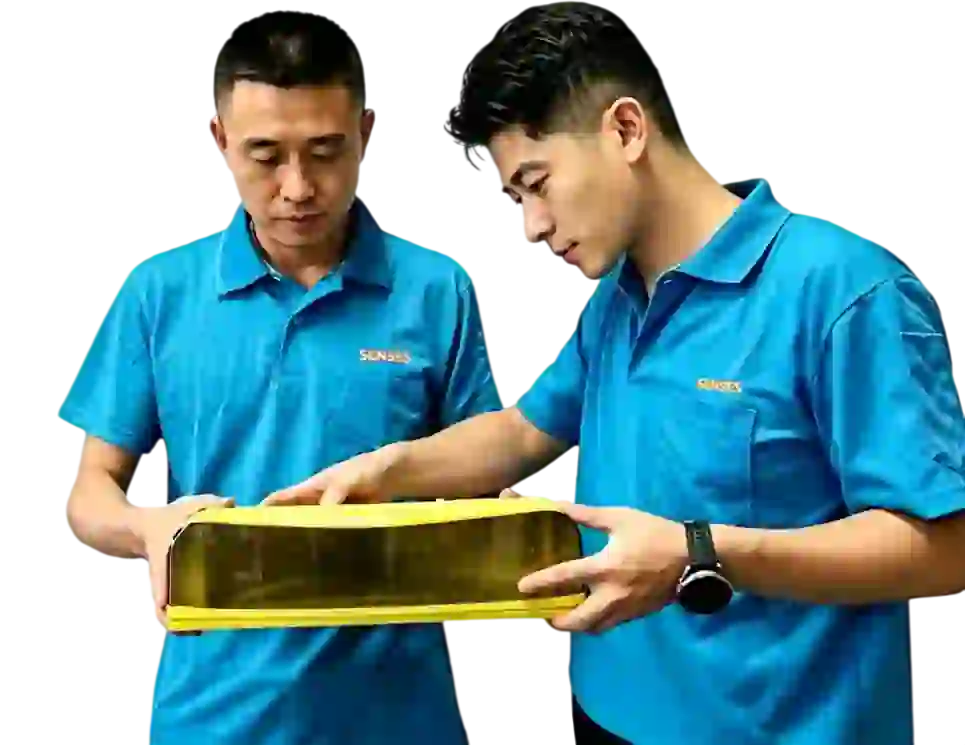
Different materials must maintain stable bonding performance throughout the product lifecycle. We evaluate:
- Material compatibility
- Bonding strength
- Processing parameters
- Shrinkage behavior
Helping prevent:
- Material separation
- Weak bonding areas
- Performance degradation
Dimensional Inspection
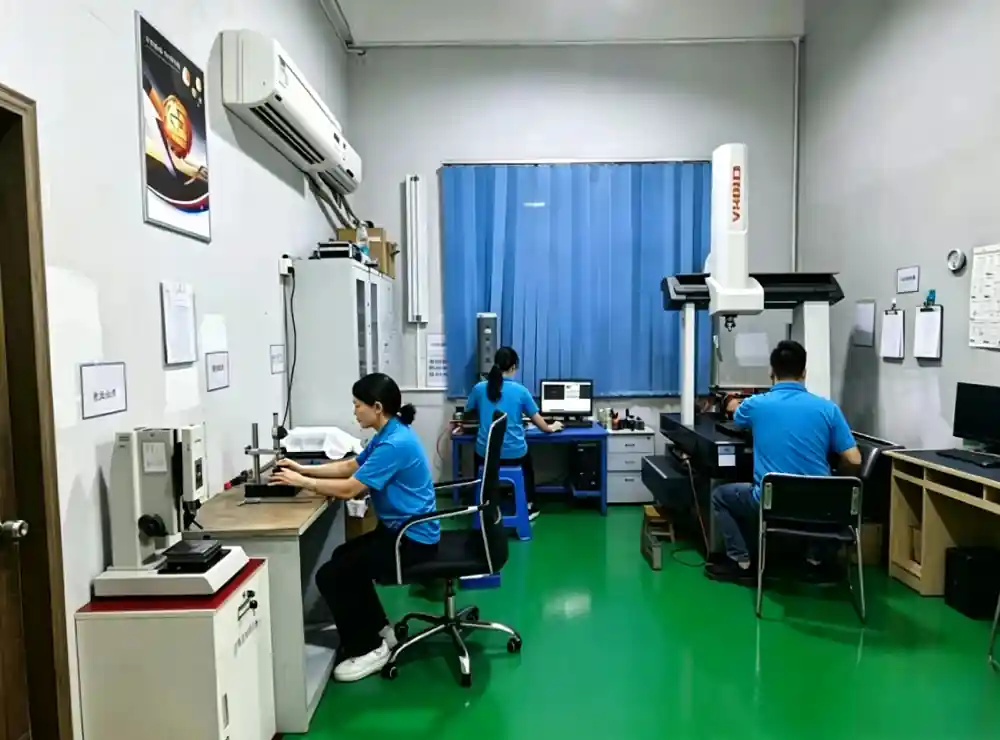
Precision control is essential for multi-material components requiring accurate assembly. Inspection includes:
- CMM measurement
- 2.5D optical inspection
- Dimensional verification
- Critical feature inspection
Used to verify:
- Part consistency
- Assembly accuracy
- Production repeatability
Production Quality Control
During mass production, we monitor:
- Injection parameters
- Part appearance
- Dimensional stability
- Process consistency
This helps ensure:
- Stable production quality
- Reduced assembly issues
- Reliable long-term supply
Need Reliable Co Injection Molding Production?
From initial mold trials to final production, SENSES MOLD helps customers identify potential issues early and maintain consistent multi-material component quality.
Why Choose SENSES MOLD As Your Co Injection Molding Supplier
A Manufacturing Partner Focused On Multi-Material Molding Reliability
Choosing a Co Injection Molding supplier requires more than injection molding capability. Successful multi-material production depends on experience in material selection, mold design, process optimization, and quality control.
At SENSES MOLD, we combine mold manufacturing expertise, injection molding experience, and engineering support to help customers develop reliable multi-material plastic components from prototype to mass production.
Engineering Support For Multi-Material Projects
Co Injection Molding requires experience in material compatibility, mold design, and process control. Our engineers help evaluate your design and identify potential risks before tooling begins.
English Engineering Communication
Our tooling team understands the challenges of multi-material mold design, including material flow, gate layout, and layer distribution control.
One-to-One English Engineering Communication
Clear communication is essential for international projects. Our engineering team communicates directly with customers in English from design review, quotation, and tooling development to mass production.
Integrated Manufacturing Under One Roof
With in-house mold making and injection molding capabilities, we help customers improve project control, shorten development cycles, and maintain consistent quality.
Flexible Production From Prototype to Mass Manufacturing
Whether you need prototype validation, small-batch production, or high-volume manufacturing, Senses Mold provides scalable insert molding solutions.
Strict Quality Control System
SENSES MOLD follows controlled manufacturing and inspection processes to maintain consistent quality during production, supported by ISO 9001 and IATF 16949 quality systems.
Delivered for Global OEM Customers
Injection Molding Machine Capacity
Quality Management
Precision Molding Capability
Tooling & Plastic Manufacturing Experience
Looking For A Reliable Co Injection Molding Partner?
Share your CAD files and project requirements with SENSES MOLD. Our engineering team can help evaluate your design and recommend a suitable multi-material molding solution.
Insert Molding Engineering Insights
Practical Engineering Knowledge From Material Selection To Production Optimization
With experience in multi-material injection molding, our engineering team shares practical insights on material selection, product design, tooling development, and process optimization. These resources are based on real manufacturing experience and help engineers and product developers improve design reliability before moving into tooling and production.
- Co Injection Molding Design Insights
Co Injection Molding Design Guidelines For Multi-Material Plastic Parts
How To Design Skin And Core Structures In Co Injection Molding
Co Injection Molding DFM Checklist Before Tooling
How To Improve Appearance Quality In Multi-Material Injection Molding
- Co Injection Molding Material Insights
How To Select Materials For Co Injection Molding Applications
TPE, TPU, And Silicone Selection For Flexible Components
Material Compatibility In Co Injection Molding: What Engineers Need To Know
Engineering Plastics For High-Performance Co Injection Molding Parts
- Co Injection Molding Manufacturing Insights
Co Injection Molding vs Two Shot Injection Molding: Which Process Is Better For Your Product?
Co Injection Molding vs Overmolding: What Is The Difference?
Co Injection Molding vs Traditional Injection Molding: Which Solution Reduces Cost?
Co Injection Molding vs Insert Molding: Which Multi-Material Solution Fits Your Design?
- Co Injection Molding Quality & Troubleshooting Insights
Common Co Injection Molding Defects And How To Prevent Them
How To Improve Bonding Strength Between Different Materials
How To Control Warpage In Multi-Material Injection Molded Parts
Co Injection Molding Material Separation: Causes And Solutions
Related Manufacturing Services
Complete Manufacturing Support Beyond Insert Molding
Beyond Co Injection Molding, SENSES MOLD provides integrated manufacturing solutions including tooling, injection molding, precision machining, and secondary operations to support complete product development and production.
Injection Molding
Custom plastic injection molding services for prototypes, low-volume production, and high-volume manufacturing with various engineering plastics and thermoplastic materials.
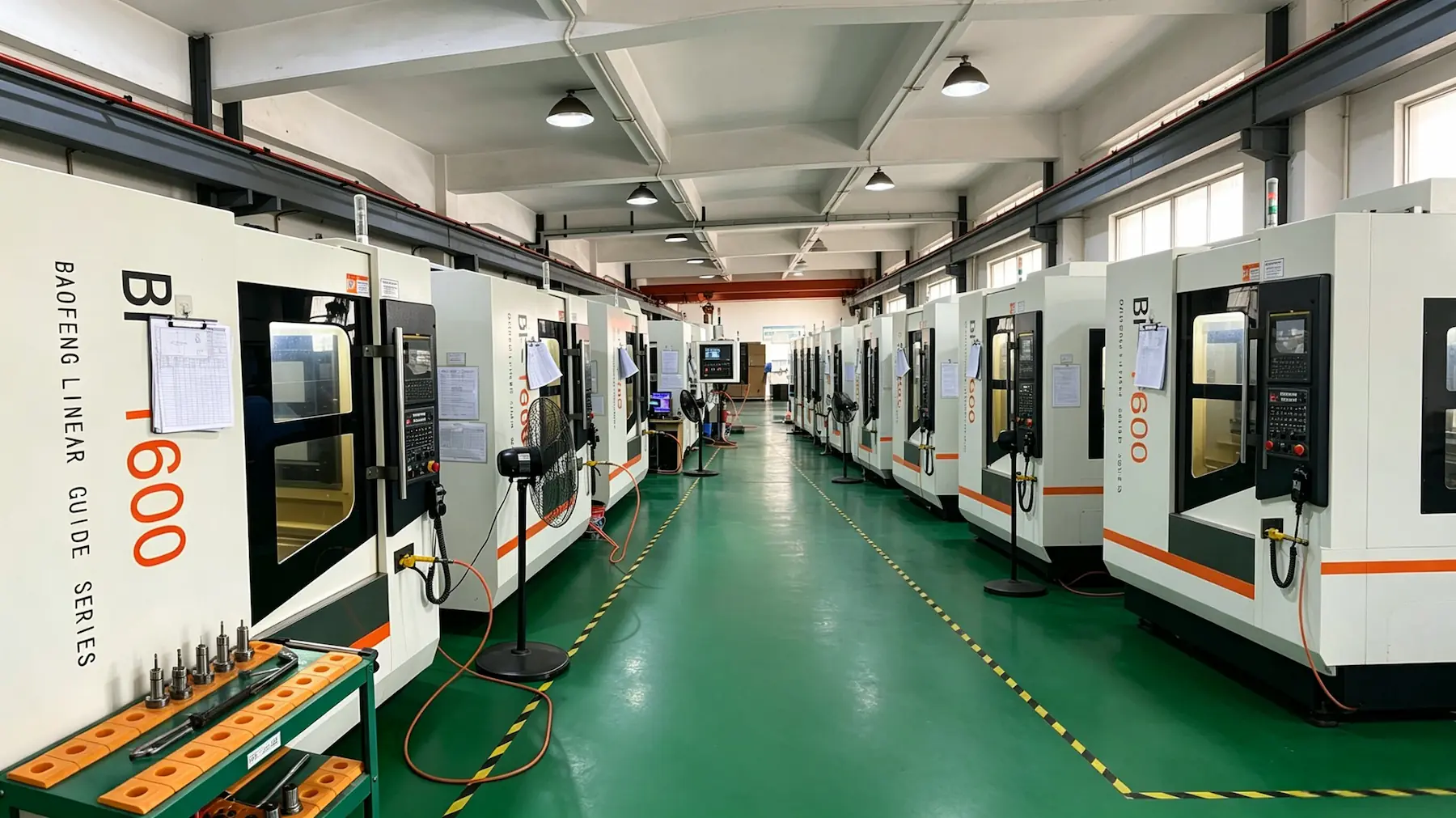
CNC Machining
Precision CNC machining services for plastic and metal parts, ideal for prototypes, low-volume production, and secondary machining.
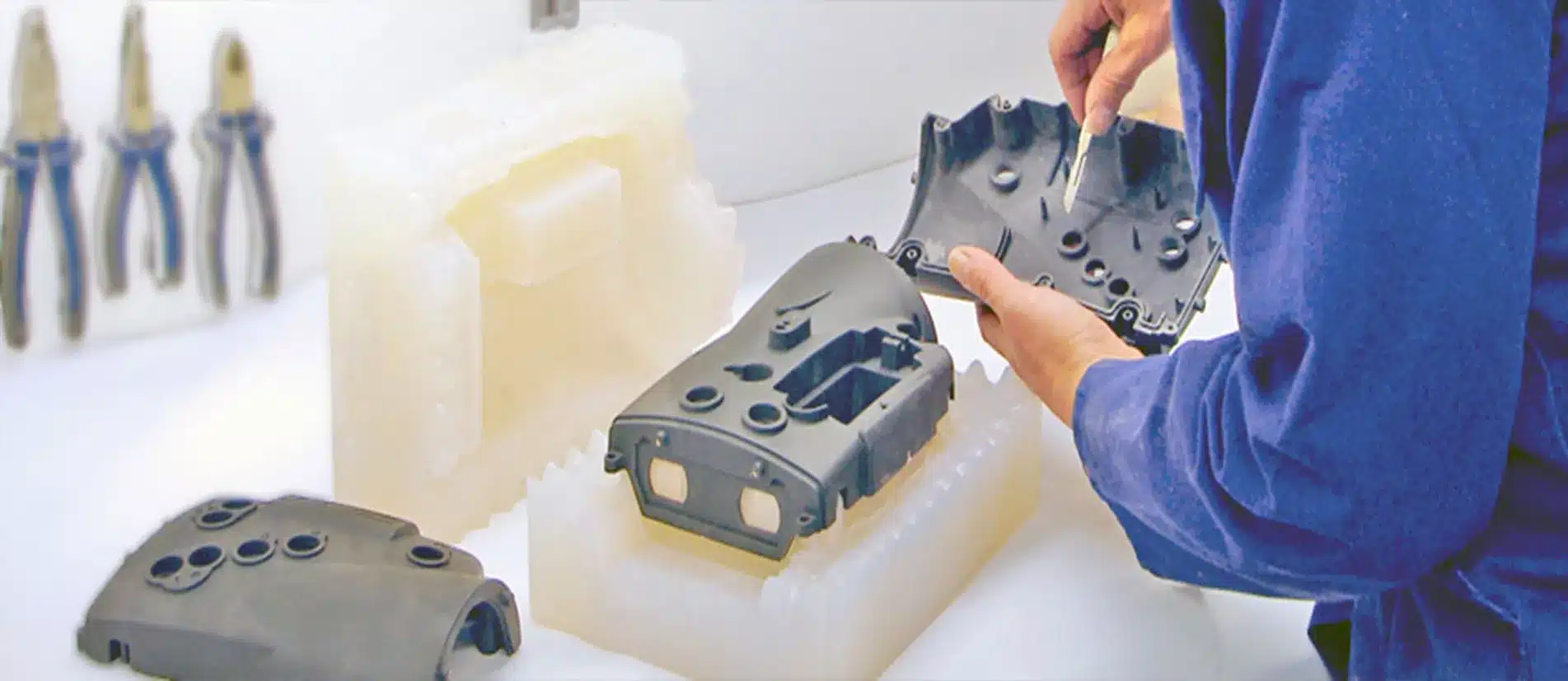
Vacuum Casting
Prototype or first article samples are manufactured for validation and approval before full production begins.
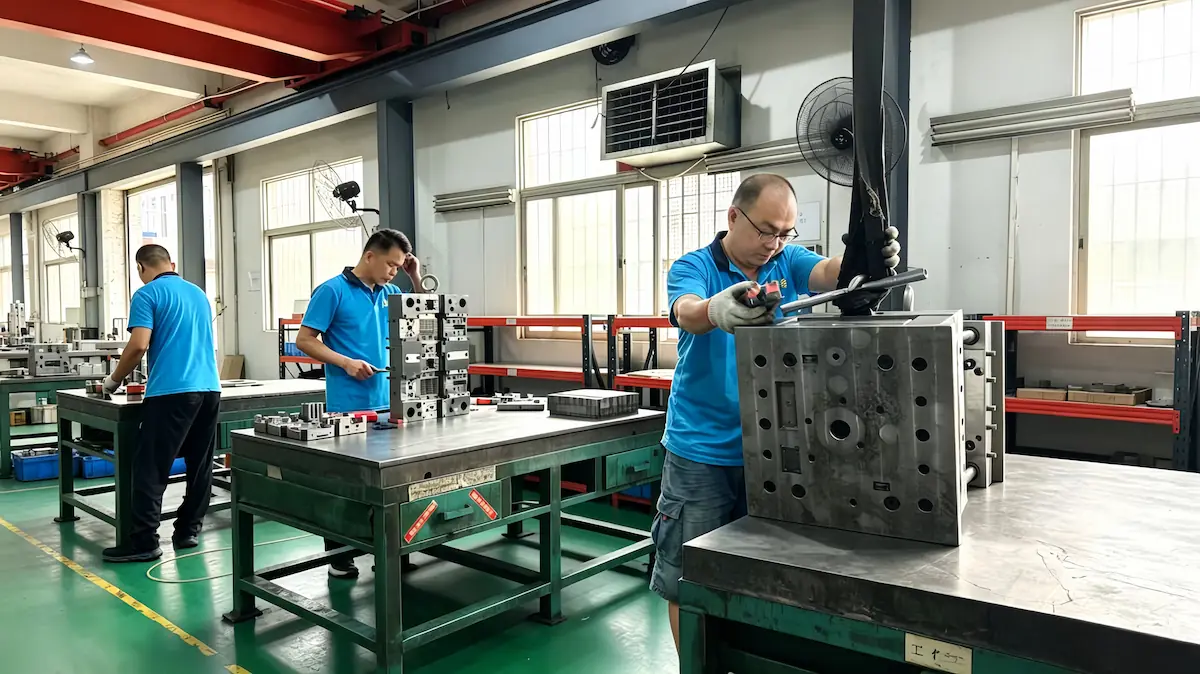
Mold Making
Custom mold design and manufacturing with optimized tooling solutions for long-lasting, high-performance production.
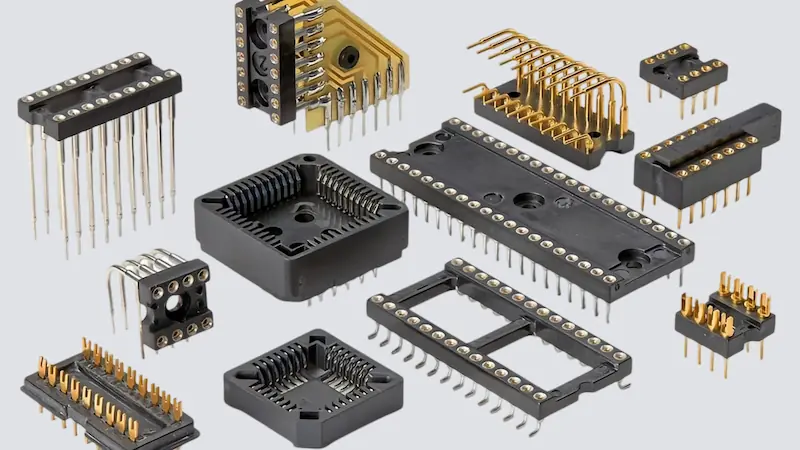
Insert Molding
Integrate metal components directly into plastic parts to improve strength, assembly efficiency, and product reliability.
Product Assembly
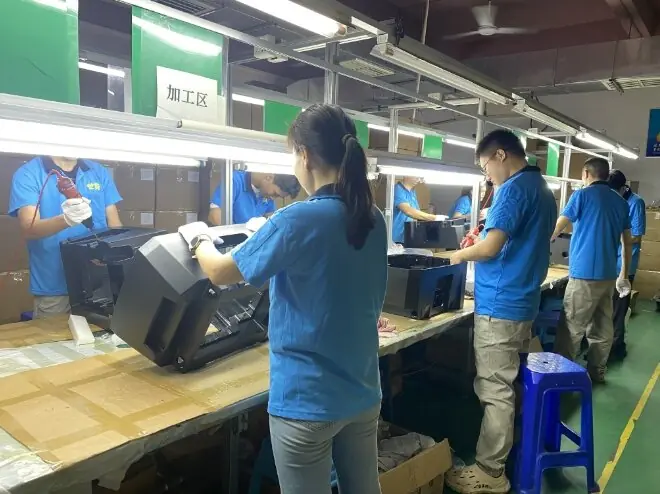
Complete post-molding services including assembly, ultrasonic welding, printing, labeling, testing, and packaging.
Need a Complete Manufacturing Partner?
From tooling development to final production, SENSES MOLD supports OEM customers with integrated engineering and manufacturing capabilities.
Frequently Asked Questions (FAQ)
To evaluate a Co Injection Molding project, we typically review product drawings, 3D CAD files, material requirements, production volume, and application requirements.
Our engineering team uses this information to assess feasibility, recommend suitable solutions, and identify potential manufacturing considerations.
Yes. Our engineers can review existing designs and provide practical recommendations related to manufacturability, tooling considerations, and production efficiency before mold development begins.
We recommend providing 3D CAD files such as STEP, IGES, or other commonly used formats, along with 2D drawings if available.
Additional information about materials, quantities, and performance requirements helps us provide a more accurate evaluation.
Yes. SENSES MOLD works with global customers and provides one-to-one English engineering communication throughout the project, including quotation, design review, tooling development, and production follow-up.
Yes. Besides molding, SENSES MOLD can support additional manufacturing requirements such as machining, surface finishing, assembly, inspection, and packaging based on project needs.
Production volume depends on product complexity, tooling requirements, material selection, and project goals.
SENSES MOLD supports different production stages, including prototype development, pilot production, and high-volume manufacturing.
In many applications, Co Injection Molding can reduce assembly steps by integrating multiple material functions into one molded component.
The actual cost benefit depends on part structure, production volume, and the original manufacturing process.
A reliable supplier should have experience in tooling, injection molding, material evaluation, and production control.
Engineering communication, quality systems, and manufacturing capability are also important factors for long-term cooperation.