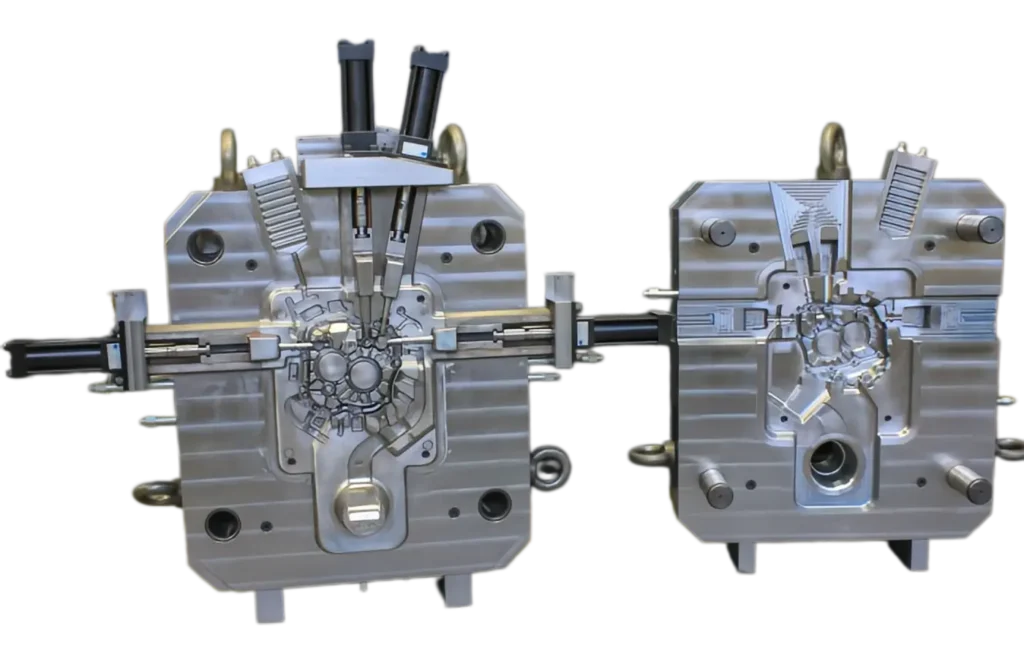
Custom Die Casting Die & Production Solutions
From die casting mold design and tool manufacturing to high-volume production, CNC machining, surface finishing, and assembly — all under one roof.
- In-House Tool Shop
- Global Project Support
- CNC Machining & Finishing
- IATF 16949 Quality System
- Aluminum & Zinc Die Casting
- Free DFM & Moldflow Analysis
Who We Manufacture For
Proven Diecasting Solutions Across Diverse Industries
From automotive powertrain components to electronic enclosures and industrial equipment housings, Senses Mold design and manufacture custom die casting dies and precision die cast parts for demanding applications worldwide.
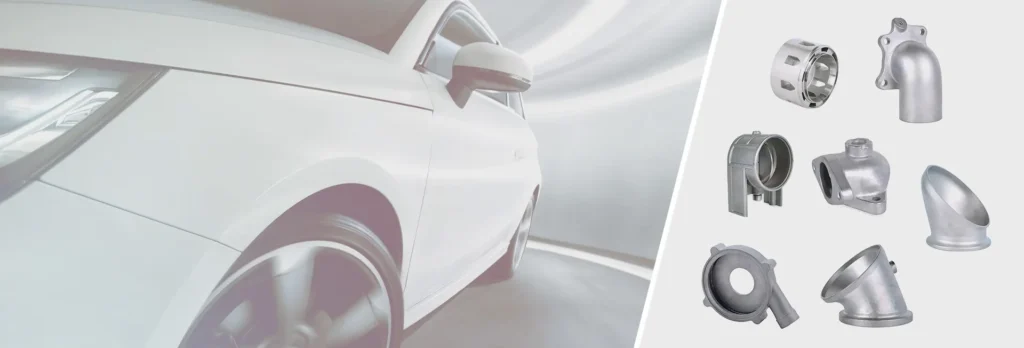
Auto Diecasting
Engine housings, transmission parts, heat sinks, structural components
- Tight tolerances & leak-proof design
- Lightweight yet high-strength solutions
- Proven stability in high-volume production
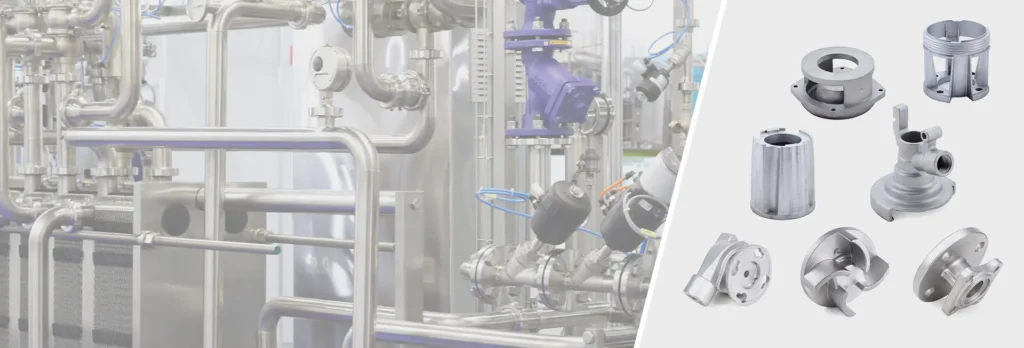
Industrial Machinery
Pump housings, valve bodies, motor enclosures, structural parts
- Complex geometries in one casting
- Reduced assembly and machining costs
- Reliable performance in harsh environments
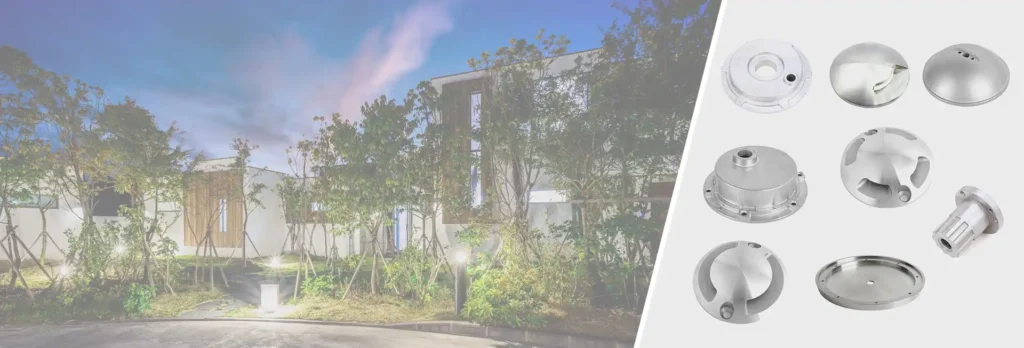
Lighting Industry
LED housings, heat sinks, outdoor lighting components
- Consistent surface finishing
- Optimized thermal performance
- Suitable for outdoor & high-end applications

Metal Hardware
Brackets, connectors, fasteners, custom metal components
- High dimensional accuracy
- Multiple surface finishing options
- Flexible MOQ — prototype to mass production

Medical Devices
Device housings, internal structures, support parts
- Clean & precise finish
- Stable production consistency
- Suited for complex medical applications

Mechanical Industrial
Gearbox housings, motor housings, structural components
- Strong and durable structures
- Long-term supply stability
- Cost-effective production solutions
Don’t see your part category?
We regularly manufacture custom components beyond this list — send us your drawing for a free DFM review.
Our Production Casting Capabilities
Numbers matter when you’re qualifying an alloy die casting company. Here’s details of our machine range, casting envelope, tolerance standards, and quality systems — everything you need to assess fit before sending an RFQ.
160–1250T
Machine Tonnage Range
±0.05mm
Casting Tolerance (general)
5M+
Annual Production Capacity (pcs)
Texture/Coating..
Surface Finish Capability (μm)
Technical Specifications
Machine range
160T – 1,250T clamping force
Max casting size
Up to 800 × 600 mm projected area
Max casting weight
Up to 15 kg per shot
Tool weight capacity
Up to 10 tonnes per die set
General tolerance
±0.05 mm (per CT5–CT6 standard)
Critical dimension tol
±0.02 mm with post-machining
Wall thickness (min)
0.8 mm (zinc) / 1.2 mm (aluminum)
Surface finish
As-cast Ra 3.2 / Machined Ra 1.6
Annual capacity
5,000,000+ pieces/year
Alloys supported
Al · Zn · Mg
Certifications
IATF 16949 · ISO 9001:2015
MOQ
Prototype to mass production
PPAP Level 3 capable
CMM Dimensional Inspection
Statistical Process Control monitors key parameters — shot pressure, fill time, die temperature — in real time. Cpk ≥ 1.33 maintained on critical features.
SPC Process Control
Full first-article dimensional reports using coordinate measuring machines. 100% critical dimension verification on T1 samples; statistical sampling in production.

Does your part fit our capabilities?
Send us your drawing — we’ll confirm feasibility and machine fit within 24 hours. Part size, wall thickness, tolerance requirements, annual volume — share the details and we’ll tell you exactly how we’d run it.
Alloy Die Casting Secondary Operations
Complete Manufacturing Support Beyond Die Casting
At Senses Mold, we provide more than die casting production. To simplify supply chain management and reduce project lead times, we offer a wide range of secondary operations and value-added services under one roof. From precision machining and surface finishing to assembly and quality inspection, our integrated manufacturing approach helps customers receive production-ready components from a single supplier.
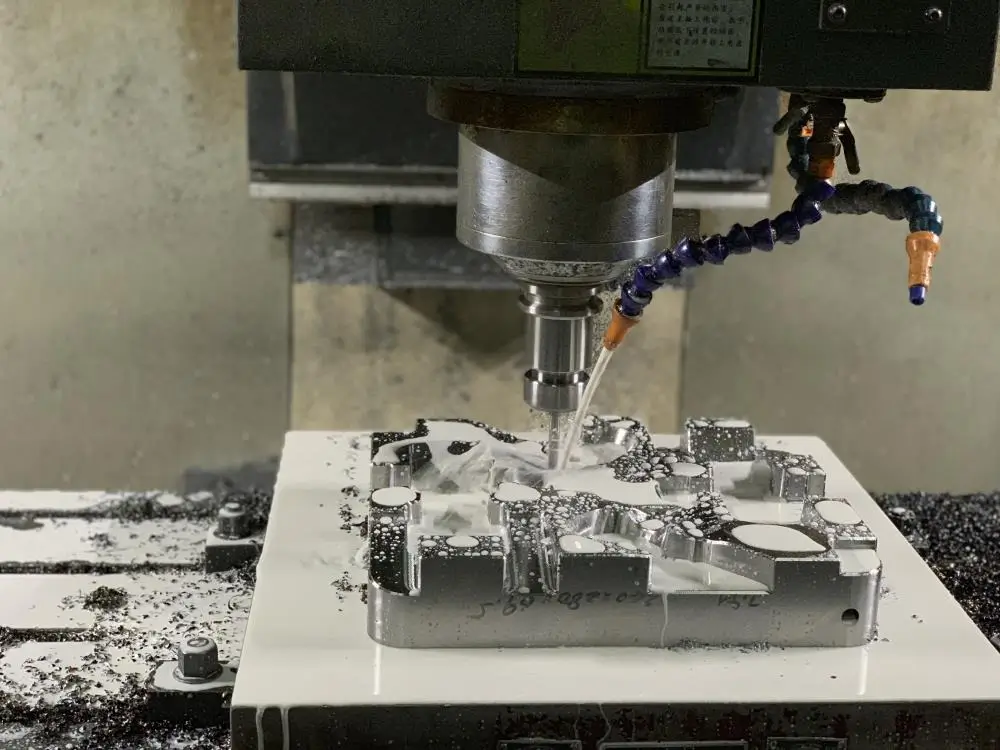
CNC Machining
Precision milling, drilling, tapping, reaming, and turning operations to achieve critical dimensions and tight tolerances.

Surface Finishing
Enhance appearance, corrosion resistance, and product durability with various finishing options.Powder Coating, Painting, Anodizing, Electroplating, Chromate Conversion Coating, Polishing

Deburring & Surface Preparation
Removal of flash, sharp edges, and surface imperfections to improve functionality and appearance.

Assembly Services
Mechanical assembly, hardware insertion, sub-assembly, and complete product assembly to reduce customer workload and logistics complexity.
Why Choose a One-Stop Manufacturing Die Casting Company?
By combining tooling, die casting, machining, finishing, assembly, and quality control within a single manufacturing workflow, Senses Mold helps customers reduce supplier management efforts, shorten lead times, improve communication efficiency, and achieve more consistent product quality.
Why Global Buyers Choose us For Their Die Casting Suppliers?
Most Chinese suppliers separate tooling from production — forcing buyers to manage two vendors, two timelines, and two sets of risk. We built our factory to eliminate that gap entirely, from the first DFM conversation to final shipment.

01
One Supplier from Tooling to Production
Die design, tool manufacturing, die casting, CNC machining, and finishing — all handled under one roof. No handoffs, no misalignment, no finger-pointing between vendors.
Integrated workflow
02
Faster Product Launch
DFM review starts before a PO is placed. Our in-house tool shop means no outsourced mold lead time. T1 samples typically delivered within 4–6 weeks of design approval.
Speed to market
03
Reduced Supply Chain Risk
Owning both tooling and production means you deal with one accountable partner. Tool ownership, IP protection, and production continuity are all managed by a single team.
Lower risk
04
Stable Mass Production Quality
IATF 16949 quality system with SPC process control, CMM inspection, and structured PPAP documentation. Quality built into process — not just inspected at the end.
IATF 16949
05
Global Export Experience
We’ve shipped to North America, Europe, Southeast Asia, and beyond. English-speaking project managers, export-compliant documentation, and logistics support included.
30+ countries
06
Engineering-Driven Manufacturing Support
Our team reviews your design for castability, not just manufacturability. We identify porosity risks, parting line issues, wall thickness problems before production problems.
30+ countries
Ready to verify it yourself?
Send us your drawing — get a free DFM review in 24 hours. No commitment required. Our engineers will assess your part for castability and flag any design risks before you invest in tooling.
Complete Die Casting Process Step By Step
From your first drawing to mass production shipment — every step is handled in-house. No outsourced tooling, no subcontracted machining. One team owns the full process and is accountable at every stage.
Engineering Review
Week 1Product Design Review
Initial 3D model assessment against castability criteria, wall thickness, and draft angle requirements
DFM Analysis
Design for Manufacturability report identifying risks, recommended modifications, and material options
Moldflow Simulation
Fill, pack, and cooling simulation to predict porosity, shrinkage, and weld line locations before cutting steel
Die Manufacturing
Weeks 2-6Die Casting Die Design
Full 3D die structure design including runner, gate, overflow, venting, cooling, and ejection systems
Tool Manufacturing
In-house CNC machining, EDM, and heat treatment of H13 or P20 die steel components
T1 Sampling
First article shots evaluated against dimensional, surface, and structural requirements with full CMM report
Die Casting & Inspection
Weeks 7-8 onwardProcess Optimization
Shot parameters, cooling cycles, and process window locked in based on T1 data before mass production
Mass Production
High-pressure die casting with SPC monitoring, in-process dimensional checks, and defect tracking
CNC Machining
Post-casting precision machining of critical dimensions, bores, mating faces, and threaded features
Surface & Delivery
Final stageSurface Finishing
Shot blasting, powder coating, anodizing, painting, or laser marking per customer specification
Assembly
Sub-assembly, insert installation and functional testing required before final inspection
Final Inspection & Shipment
Full dimensional report, CoC, and PPAP package issued. Export packaging and freight coordination
Want to know your project timeline?
Get a custom timeline estimate for your part — within 24 hours. Share your drawing or part description. Our engineering team will map out a realistic phase-by-phase schedule from DFM to first shipment
Die Molds Structure Explained
A die casting die is far more than two steel blocks. Every internal system — gating, venting, cooling, ejection — directly determines part quality, cycle time, and tool life. Here’s what’s inside every die we build.
- Fixed Die Half
- Moving Die Half
- Core & Cavity
- Ejector pins, sleeves
- Overflow & Vent System
- Cooling Channels
- Ejection System
- Vacuum System
Designing A New Part?
Our engineers will review your design and recommend the optiomal die structure. Gate location, cooling layout, ejection strategy – get expert input before tooling starts and avoid costly rework later


Types of Metal Casting Die We Build
Not every part needs the same tooling approach. We build six categories of die casting dies — from single-cavity prototype tools to high-volume multi-cavity and vacuum-assisted dies — matched to your volume, complexity, and budget.
Most Common
Aluminum Die Casting Dies
ADC12 · A380 · A360 · AlSi10Mg
The most widely used die type in our shop. Aluminum HPDC dies are engineered for thermal management, tight tolerances, and long production runs in automotive, EV, and industrial applications.
High Precision
Zinc Die Casting Dies
Zamak 3 · Zamak 5 · Zamak 7
Zinc’s low melting point extends tool life dramatically and enables extremely fine features. Ideal for connectors, brackets, and hardware requiring tight tolerances and excellent surface finish with minimal post-processing.
High Pressure
High Pressure Die Casting Dies
HPDC · Cold & Hot Chamber
Engineered for maximum production efficiency. HPDC dies feature robust gating, optimized cooling circuits, and precise venting to support fast cycle times without sacrificing dimensional consistency across millions of shots.
High Volume
Multi-Cavity Dies
2, 4, 8 or custom cavity layout
Multiple identical cavities in one die dramatically reduce per-part cost at scale. Runner balance and cavity-to-cavity consistency are critical — our Moldflow analysis ensures uniform fill across all cavities before cutting steel.
Cost Efficient
Family Molds
Multiple parts · One die
Two to four related parts produced in a single die — ideal when parts ship as an assembly or have matched volumes. Requires careful gating and fill balancing across different cavity sizes, which our simulation process handles upfront.
Structural Grade
Vacuum Die Casting Tooling
Low porosity · Weldable · Heat-treatable
Vacuum-assisted dies actively evacuate trapped gas before injection, producing denser, more homogeneous castings. Required for parts that need post-casting heat treatment, welding, or structural certification — increasingly common in EV platforms.
Not sure which die type fits your project?
Tell us your part, volume & alloy — we’ll recommend the right tooling solution. Single-cavity, multi-cavity, family mold, or vacuum tooling — our engineering team will match the die type to your production requirements and budget.
Die Casting Materials We Support
Alloy selection affects everything — mechanical strength, surface finish, tool life, cycle time, and cost. We work with aluminum, zinc, and magnesium alloys across the full range of industrial and structural applications.
Zamak 3 — Zn-Al-Mg
Standard zinc die casting material
Excellent finish
Low cost
Most commonly used zinc alloy. Outstanding dimensional stability and surface finish — ideal for decorative and functional hardware components.
Zamak 5 — Zn-Al-Cu-Mg
Higher strength zinc die casting alloy
Higher tensile strength
Better hardness
Good creep resist
Adds copper for improved strength and hardness vs Zamak 3. Preferred when parts carry mechanical load or require better wear resistance.
ADC12 — Al-Si-Cu
Most widely used aluminum die casting material
Good fluidity
Low shrinkage
Machinable
Best for automotive housings, industrial parts, and general-purpose castings. Excellent die-filling capability, competitive cost.
A380 — Al-Si-Cu
North American standard equivalent to ADC12
High strength
Good corrosion resist.
Thermal stability
Preferred by North American buyers. Slightly higher silicon content than ADC12 — similar performance, different certification requirements.
A360 — Al-Si-Mg
Higher corrosion resistance variant
uperior corrosion resist
Good ductility
Pressure tight
Chosen for marine, outdoor, and chemical-exposure environments. Lower copper content reduces corrosion but slightly reduces machinability.
AZ91D — Mg-Al-Zn
Most common magnesium die casting alloy
Lightest structural metal
Good castability
EMI shielding
35% lighter than aluminum. Used for laptop housings, camera bodies, hand tools, and automotive interior brackets where weight reduction is critical.
Not Sure Which Alloy Fits Your Application?
Share your part requirements – we will recommend the right alloy and explain the trade offs. Strength, weight, corrosion resistance, surface finish, cost – our engineers will walk you through the options specific to your part and environment.
Die Casting Design Guidelines for Better Results
Four design decisions account for the majority of DFM failures we see. Get these right early and you’ll avoid costly tool rework — and produce better parts from the first shot.
Wall Thickness
- Aluminum: 1.5–4.0 mm ideal, 1.2 mm minimum with vacuum tooling
- Zinc: 0.8 mm minimum achievable due to lower melt temperature
- Abrupt thickness changes cause shrinkage — taper all transitions
- Sections over 6 mm risk porosity; use coring to reduce mass
Most common DFM issue
Draft Angle
- Exterior walls: 1–2° minimum; textured surfaces need 3–5°
- Interior cores: 2–3° minimum — cores run hotter and grip harder
- Zero-draft walls cause galling, soldering, and premature tool wear
- Deep pockets over 25 mm need extra draft — discuss with DFM team
Affects tool life
Gate Design
- Fill direction: thick-to-thin to prevent premature solidification at the gate
- Gate velocity 30–50 m/s for aluminum; lower for zinc
- Avoid gating on cosmetic A-surfaces — witness marks are unavoidable
- Gate area drives fill time and porosity risk — always Moldflow-verified
Porosity prevention
Vent Design
- Overflow wells at end-of-fill locations collect cold metal and trapped gas
- Vent depth: 0.05–0.12 mm for aluminum — thin enough to prevent flash
- Insufficient venting = porosity, short shots, and cold shuts near fill end
- Complex parts may require vacuum-assisted venting for critical sections
Gas entrapment control
Want the complete design guidelines?
Upload your drawing – get a free DFM check againest all four critical criteria.
Wall thickness, draft angle, gate placement, and venting – our engineers will flag every issue before you commit to tooling cost
Metal Casting Mold Material Selection
The steel your die is made from determines shot life, surface quality, and long-term tooling cost. We select and specify mold steel based on your alloy, production volume, and part requirements — not a one-size-fits-all default.

- H13
Hot-work tool steel. DIN 1.2344 · AISI H13
Hardness 44–48 HRC
Tool life (Al)80,000–150,000 shots
Temp resistanceUp to 600°C
Equivalent to DIN 1.2344 / SKD61
The global benchmark for aluminum and magnesium HPDC dies. Excellent balance of hot hardness, toughness, and thermal fatigue resistance. Cost-effective for most production programs. Widely stocked and readily available worldwide.
- SKD61
Japanese hot-work tool steel
JIS G4404 · equivalent to H13
Hardness 44–48 HRC
Tool life (Al)80,000–150,000 shots
Purity Higher than standard H13
Equivalent to AISI H13 / DIN 1.2344
The Japanese equivalent of H13 — same composition, tighter manufacturing tolerances. Slightly higher steel purity than standard H13 delivers more consistent hardness distribution across large die blocks. Our default for Japanese and Asian OEM supply chains.
- 8407
Uddeholm ORVAR Supreme
Premium H13 · vacuum remelted
Hardness 46–50 HRC
Tool life (Al)150,000–300,000 shots
ProcessVacuum remelted (VD)
Equivalent to H13 · improved purity
Uddeholm’s flagship hot-work steel. Vacuum degassing removes micro-inclusions that initiate heat checking. Delivers significantly better resistance to thermal fatigue and cracking vs standard H13 — preferred for high-cycle aluminum dies and automotive IATF programs.
- 1.2344 ESR
H13 Electro-Slag Remelted
Ultra-clean · extended life grade
Hardness46–50 HRC
Tool life (Al)150,000–300,000 shots
Process Electro-Slag Remelted
Inclusion level Ultra-low highest purity
The ESR process passes the steel through a slag bath, removing sulfide and oxide inclusions to near-zero. Delivers significantly better resistance to thermal fatigue and cracking vs standard H13 — preferred for high-cycle aluminum dies and automotive IATF programs.
Surface Treatments — Applied to All Steel Grades
- Gas Nitriding
+20–30% surface hardness
Most common post-machining treatment. Creates a hard 0.1–0.3mm surface layer that resists soldering, erosion, and adhesion from molten aluminum.
- PVD Coating
TiN / CrN / AlTiN layers
Most common post-machining treatment. Creates a hard 0.1–0.3mm surface layer that resists soldering, erosion, and adhesion from molten aluminum.
- Shot Peening
Compressive stress layer
Introduces compressive residual stress at the cavity surface — significantly delays heat-check crack initiation in high-cycle aluminum HPDC dies.
- Double Tempering
Dimensional stability
Two-stage tempering after hardening relieves internal machining stress and prevents dimensional drift during production at elevated die temperatures.
| Property | H13 | SKD61 | 8407 | 1.2344 ESR |
|---|---|---|---|---|
| Tool Life | ||||
| Thermal Resistance | ||||
| Surface Finish | ||||
| Cost Efficiency | ||||
| Best For | Al & Mg HPDC |
High-Volume Programs |
Zinc Die Casting |
Large EV Components |
Not Sure Which Steel Grade Fits Your Die Mold?
Tell us your alloy, annual volume & program life – we’wll spec the right mold steel from dye one. Wrong steel selection is one of the most expesnive tooling mistakes. Our enginners will recommend the right grad, heat treatment, and surface coating before the die deisgn begins – at no cost.
Die Casting Advantages and Disadvantages
Understanding Whether Die Casting Is the Right Manufacturing Process for Your Project
Die casting is one of the most widely used manufacturing processes for producing aluminum and zinc components with high precision and excellent repeatability. While it offers significant advantages for medium- and high-volume production, understanding both its strengths and limitations helps manufacturers make informed sourcing and production decisions.
Advantages of Die Casting
- High Dimensional Accuracy:Produces consistent parts with tight tolerances and excellent repeatability.
- Excellent Surface Finish:Creates smooth surfaces that reduce secondary machining and finishing requirements
- High Production Efficiency:Fast cycle times enable economical production for medium- and high-volume projects.
- Complex Geometries Supports thin walls, ribs, bosses, and detailed features in a single casting.
- Lower Cost Per Part at Scale: Tooling investment is offset by lower unit costs during mass production.
- Wide Range of Secondary Finishing Options Compatible with machining, powder coating, painting, anodizing, plating, and assembly.
Disadvantages of Die Casting
- Higher Initial Tooling Investment: Custom die casting dies require upfront tooling costs and development time.
- Less Economical for Low Volumes: Alternative manufacturing methods may be more suitable for small production runs.
- Design Requirements Must Be Considered: Wall thickness, draft angles, gating, and venting should be optimized during product development.
- Potential Porosity Risks: Improper tooling design or process control can affect internal material density.
- Limited to Non-Ferrous Alloys: Die casting is primarily used for aluminum, zinc, and magnesium alloys.
Not Sure if Casting Die Casting Is Right for Your Project?
Send us your CAD files and our engineering team will provide a free manufacturability review and process recommendation
Metal die casting— Complete Product & Process Guide
Everything You Need to Know About Die Casting
This hub connects every topic related to die casting — design, materials, cost, defects, process comparisons, and supplier selection. Each spoke links to a dedicated deep-dive article. Start wherever your question begins.
- Design & Engineering
7 Die Casting Design Mistakes That Cost You a Mold Rework
Draft Angle in Die Casting: The Complete Engineer’s Guide
Wall Thickness in Die Casting: Min, Max & Why It Matters
Gate Design for Die Casting: How Gate Location Affects Part Quality
- Defects & Troubleshooting
Porosity in Die Casting: Why It Happens and How to Eliminate It
Die Casting Defects: The Complete Visual Troubleshooting Guide
Cold Shut in Die Casting: Causes, Detection & Prevention
Why Are My Die Castings Failing Pressure Tests? (And How to Fix It)
Die Casting Flash: Root Causes and How to Prevent It at the Tool Stage
- Materials & Alloy Selection
ADC12 vs A380: Which Aluminum Alloy Should You Specify?
Aluminum vs Zinc Die Casting: How to Choose for Your Part
AlSi10Mg for EV Die Casting: Properties, Uses & Limitations
Zamak 3 vs Zamak 5: When the Extra Copper is Worth It
H13 vs 8407 vs 1.2344 ESR: Choosing Die Steel for Long-Run Programs
- Cost & Manufacturing
How Much Does a Die Casting Mold Cost? (2026 Pricing Guide)
Die Casting Cost Breakdown: What You’re Actually Paying For
Die Casting Lead Time: From RFQ to First Production Shipment
How to Reduce Die Casting Cost Without Compromising Quality
Die Casting vs CNC Machining: Real Cost Comparison at 1k, 10k, 100k Parts
- Process Comparisons
Die Casting vs CNC Machining: Which Process Wins at Your Volume?
Die Casting vs Sand Casting: Tolerances, Cost & When to Switch
Die Casting vs Forging: Strength, Weight & Cost Trade-offs
HPDC vs LPDC: Which Die Casting Method is Right for Your Part?
Die Casting vs Investment Casting: A Buyer’s Decision Framework
- Supplier Selection
How to Qualify a Die Casting Supplier: 12 Questions to Ask Before You Order
China Die Casting Suppliers: What to Look For (and What to Avoid)
Why Your Tooling and Production Supplier Should Be the Same Company
Die Casting RFQ: What Information to Include to Get an Accurate Quote
IATF 16949 Die Casting: What It Means for Automotive Buyers
Explore our other tooling and manufacturing capabilities:
Senses Mold offers complete tooling and manufacturing solutions for metal, plastic, silicone, and rubber components.
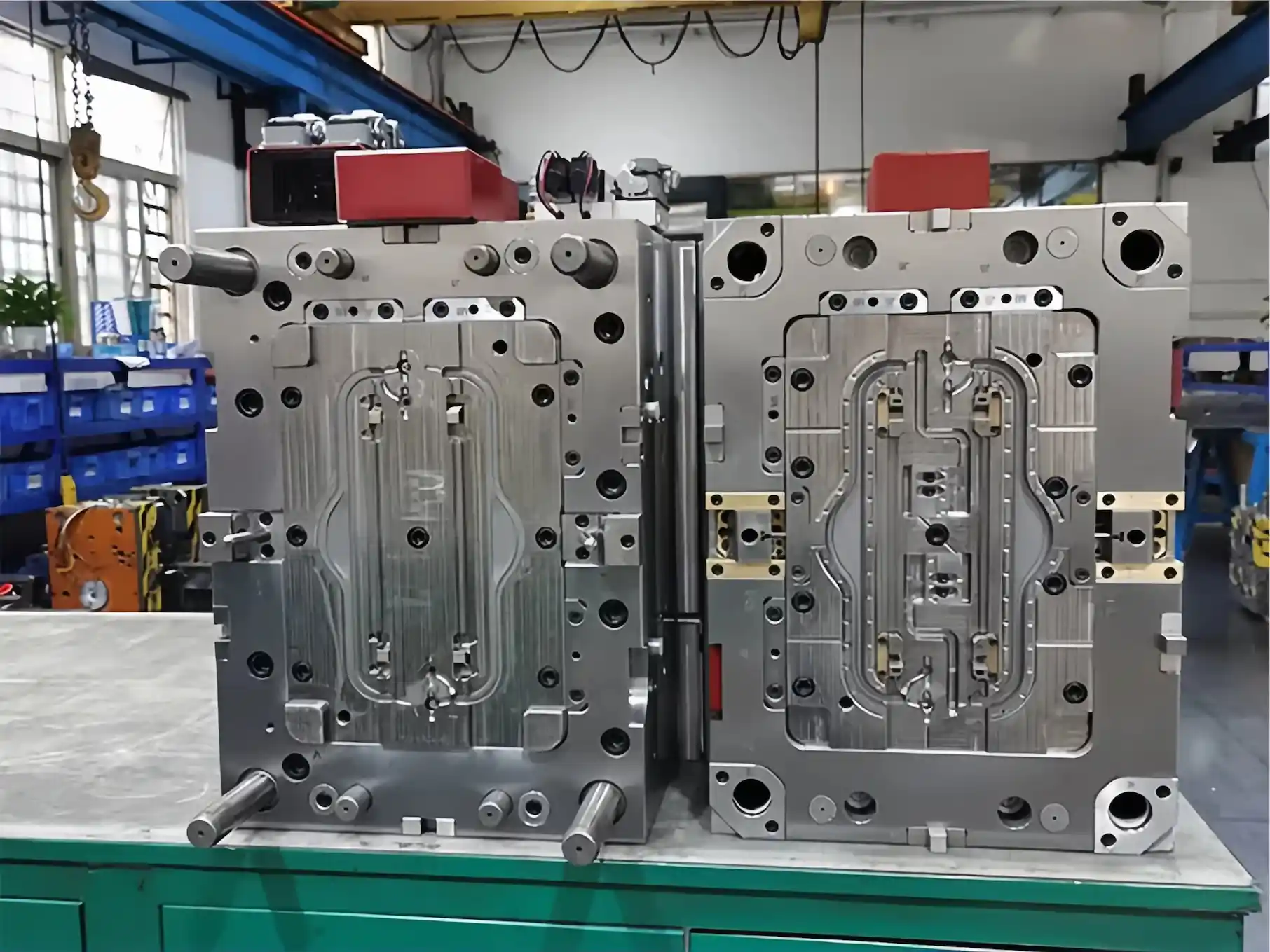
Injection Mold ↗
Custom injection molds for plastic part production manufacturing.
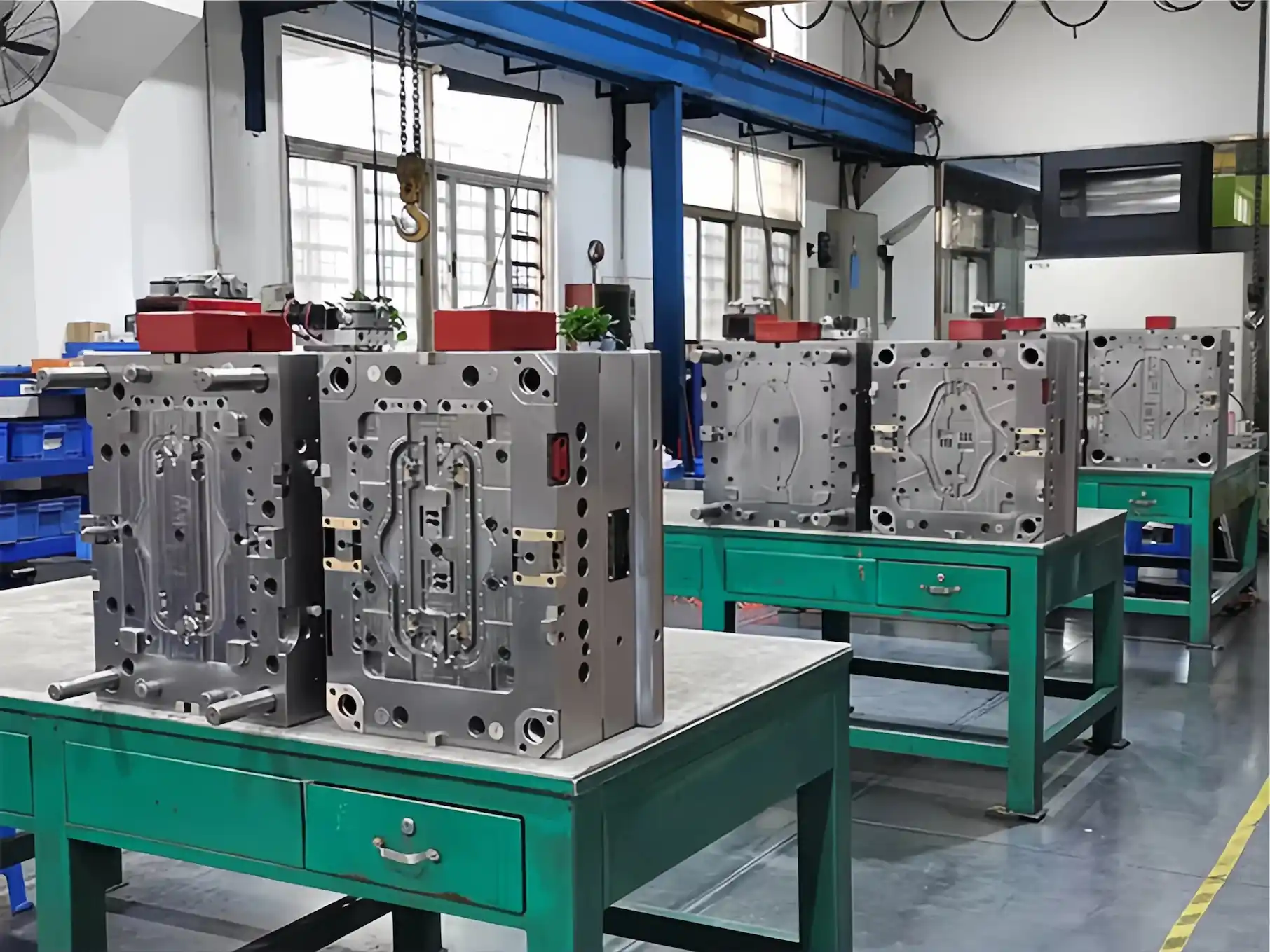
Production Tooling ↗
Production-grade tooling for reliability, consistency, and long mold life.
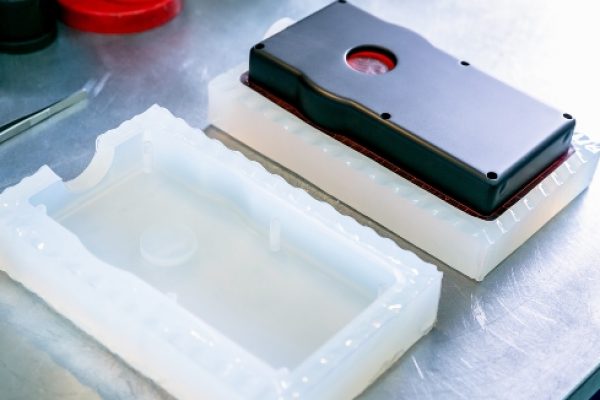
Prototype Tooling ↗
Cost-effective tooling for design validation, testing, and pilot production.
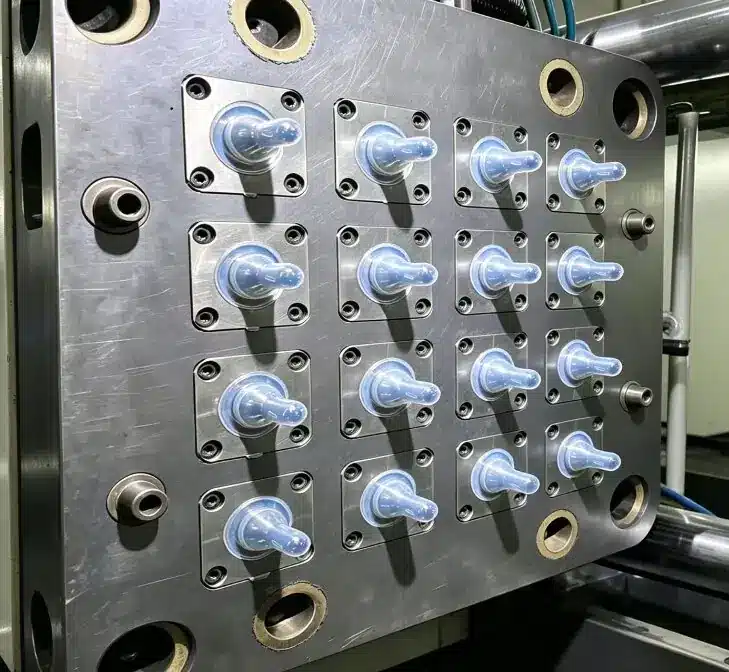
LSR Mold ↗
Precision LSR molds for stable silicone molding and repeatable production.
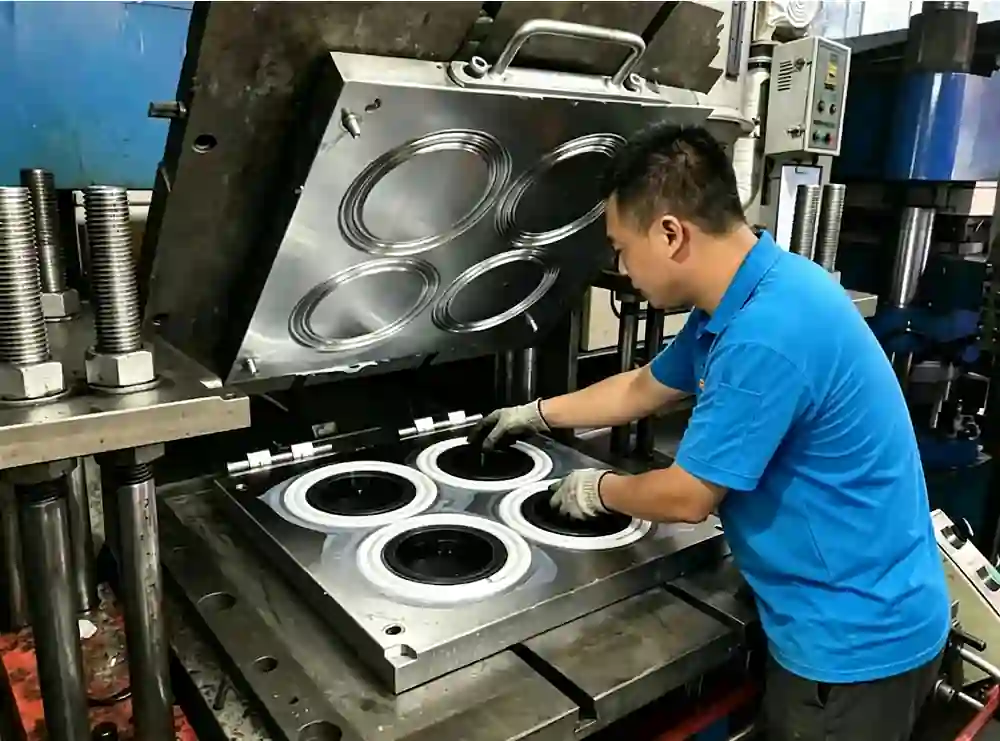
Compression Mold ↗
Custom compression molds for rubber & silicone component manufacturing.
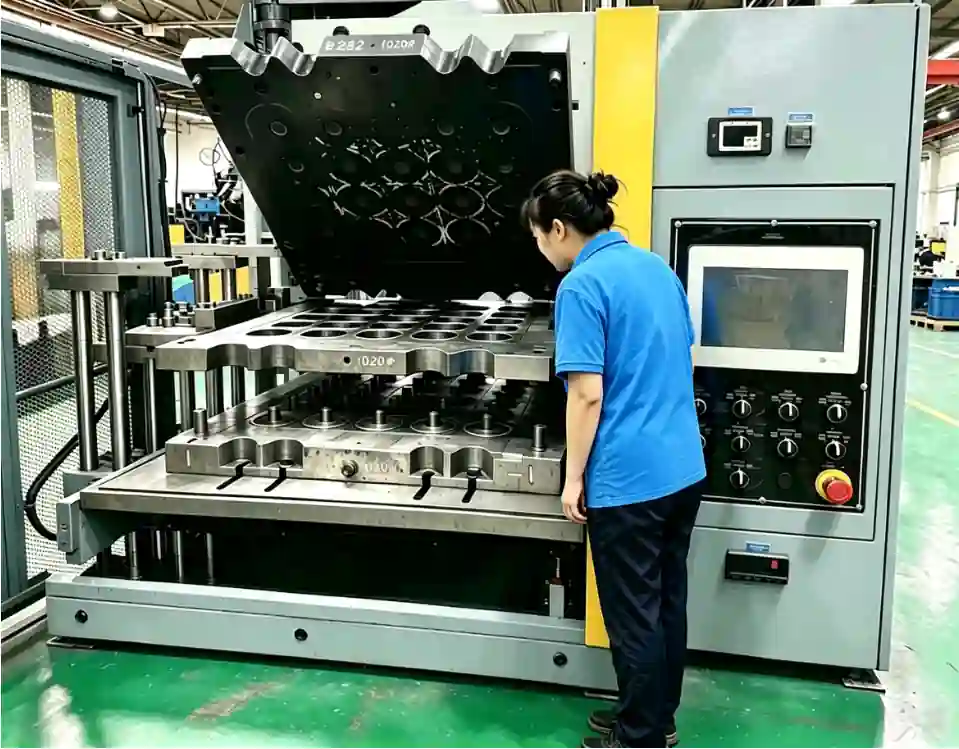
Transfer Mold ↗
High-precision transfer molds for complex rubber and thermoset applications.
Frequently Asked Questions Of Precision Casting
The two main types of die casting are hot chamber die casting and cold chamber die casting. Hot chamber die casting is commonly used for zinc and magnesium alloys with lower melting temperatures, offering faster production cycles. Cold chamber die casting is typically used for aluminum alloys because of their higher melting temperatures. The choice depends on the material, part design, production volume, and performance requirements.
No. Stainless steel is generally not suitable for conventional die casting because its melting temperature is too high and would rapidly damage the die. Die casting is primarily used for non-ferrous metals such as aluminum, zinc, and magnesium alloys. For stainless steel components, alternative manufacturing processes such as investment casting or machining are typically recommended.
Aluminum is the most commonly used metal in die casting due to its excellent strength-to-weight ratio, corrosion resistance, and thermal conductivity. Other widely used materials include zinc alloys for precision components and magnesium alloys for lightweight applications. Material selection depends on product requirements, performance expectations, and cost considerations.
Yes. Aluminum is one of the most widely used materials in die casting. Aluminum die casting offers excellent dimensional accuracy, lightweight performance, corrosion resistance, and good mechanical properties. Common aluminum die casting alloys include ADC12, A380, A360, and AlSi10Mg.
Regular die maintenance is essential for maximizing tool life and ensuring consistent product quality. Maintenance activities typically include cleaning, lubrication, inspection of critical wear areas, repair of damaged surfaces, cooling channel maintenance, and periodic refurbishment. Proper process control and preventive maintenance can significantly extend die life and reduce production downtime.
Die casting uses hardened steel dies and high-pressure metal injection to produce precision metal components at high production volumes. Mold casting, often referred to as permanent mold casting or gravity casting, typically relies on gravity to fill the mold cavity. Die casting generally offers higher productivity, better dimensional consistency, and smoother surface finishes, while mold casting may be more suitable for lower production volumes or larger parts.
Yes, but weldability depends on the alloy and the presence of porosity within the casting. Some aluminum die cast parts can be welded successfully, especially when manufactured using optimized tooling and process controls that minimize porosity. However, welding may affect mechanical properties and appearance, so design requirements should be evaluated during product development.
The primary disadvantages of die casting include higher initial tooling costs, longer development lead times compared to machining, and limitations to non-ferrous metals such as aluminum, zinc, and magnesium. Die casting is generally most cost-effective for medium- to high-volume production rather than small production runs.
Die casting offers excellent dimensional accuracy, smooth surface finishes, fast production cycles, and the ability to produce complex geometries in a single operation. For medium- and high-volume manufacturing, it provides highly competitive per-part costs and consistent product quality, making it one of the most widely used metal manufacturing processes.
Die cast products are metal components, not plastic. Die casting is a manufacturing process that injects molten metal into a precision steel die under high pressure. Common die casting materials include aluminum, zinc, and magnesium alloys.
Most ferrous metals, including carbon steel, stainless steel, and cast iron, are generally not suitable for conventional die casting because of their extremely high melting temperatures. Die casting is primarily designed for non-ferrous metals such as aluminum, zinc, and magnesium alloys.
A die casting die is a precision-engineered steel mold used to produce metal components through the die casting process. The die consists of multiple systems, including cavities, cores, runners, gates, cooling channels, and ejector mechanisms. It is designed to withstand repeated injection cycles while maintaining dimensional accuracy and production efficiency.
The cost of a die casting mold depends on factors such as part size, complexity, material, cavity count, expected production volume, and tooling steel selection. Simple molds may cost several thousand dollars, while complex multi-cavity production tools can cost tens of thousands of dollars or more. A detailed engineering review is required for accurate pricing.
Ready to Discuss Your Die Casting Project?
From die casting die design and tooling manufacturing to production, machining, and assembly, Senses Mold provides complete support for your project.
✔ Free DFM Review
✔ Fast Quotation Within 24 Hours
✔ Tooling & Production Under One Roof